What to do if you fall victim to an online scam
Digital technology has revolutionised how people in Bangladesh communicate, shop, bank, study, and access public services.
What to do if you fall victim to an online scam
Digital technology has revolutionised how people in Bangladesh communicate, shop, bank, study, and access public services.
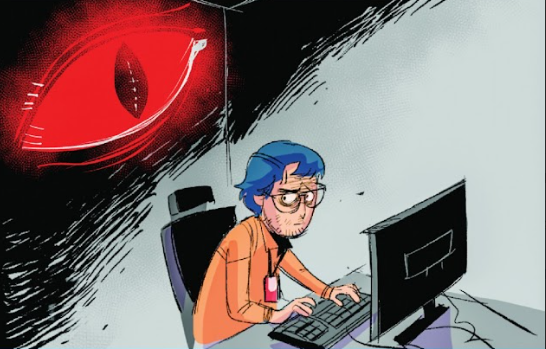
From mobile financial services, online shopping, and online marketplaces to social media and internet banking, digital platforms have become an integral part of everyday life. Although these developments have made life easier, they have also opened the door to more opportunities for cybercriminals to target unsuspecting users.
Online scams, including fraud, phishing, identity theft, hacking, fake investment schemes, and social media scams, are becoming a growing problem, resulting in financial losses and emotional distress for individuals and businesses. Cybersecurity is not the job of the government or technology experts alone; it is a shared responsibility, and one that should be carried out through awareness and vigilance across all citizens.
The digital age
Bangladesh has achieved tremendous strides in digital transformation. Everyday life is faster and more convenient with online banking, mobile financial services, e-commerce, social media, and digital government services. But the booming high-tech development has also presented opportunities for cybercriminals. Individuals are losing money every day to phishing, bogus online retailers, social media hacks, identity theft, investment fraud, and mobile financial service scams. Cybercrime isn’t just a threat for technology professionals. It is applicable to students, professionals, entrepreneurs, elderly citizens, and government institutions. As a result, it is important for all citizens to be aware of what to do if they fall victim to online fraud, where they can seek legal assistance, and how they can help protect themselves from future attacks.
What should you do immediately?
The first several hours after identifying online fraud are key. The ability to act promptly and stay calm can significantly improve the chances of collecting evidence and mitigating further damage. First of all, keep every piece of evidence that you can. Take screenshots of conversations, payment receipts, transaction IDs from the financial service’s website, emails received, URL links to fraudulent websites, details of any financial or business transactions, phone numbers, and social media profiles associated with the fraud. Do not delete any messages or communications with the offender. Second, contact your bank or mobile financial service provider right away if you’ve transferred money.
Encourage them to temporarily suspend the transaction or account for as long as they can. The earlier it can be reported, the less likely further unauthorised transfers are to happen. Thirdly, change the passwords of all the accounts that were involved, including your email account, social media, mobile banking app, and any others that used the same password. If you have the option, use two-factor authentication.
Special institutions have been set up in Bangladesh to investigate and prosecute cyber offences. The first thing you need to do is lodge a formal complaint or a General Diary (GD) at the nearest police station. As necessary, the police can institute legal proceedings and refer cases to specialised investigation units for cyber-related issues. Victims can also file their complaints with the Cyber Crime Investigation Division of the Dhaka Metropolitan Police (DMP), which is responsible for investigating cybercrimes like hacking, financial crime on the internet, cyber harassment, identity theft, fake social media accounts, etc. In addition, the Cyber Police Centre of the Criminal Investigation Department (CID) investigates cybercrime throughout Bangladesh and provides technical support in digital investigations. In case of urgency, citizens can get immediate help from Bangladesh National Emergency Service (999).
For immediate assistance, you can also message the Cyber Police Centre Facebook page or call their hotline numbers: +8801320-010146, +8801320-010147, or +8801320-010148.
Legal protection
Bangladesh has introduced the Cyber Security Act 2026, which supersedes most of the provisions of the earlier Digital Security Act. The law sets out the legal framework for the prevention, investigation, and prosecution of cyber offences that occur when a digital device, computer system, or communication network is used. The Act makes it illegal to engage in a number of cyber offences, such as unauthorised access to others’ personal devices and knowledge of compromised social networks, loss of control over a computer and others taking or using personal information without permission, financial fraud, cyber fraud, identity theft, and damage, alteration, or interference with electronic information. The Cyber Security Act 2026 provides for fines and/or imprisonment for offenders, depending on the offence and its severity. In addition to the Cyber Security Act, victims can file a case under the Code of Criminal Procedure, 1898, the Penal Code, 1860 (where applicable), and other financial and criminal laws if fraud, cheating, criminal breach of trust, or forgery has taken place.
A lot of people feel their money is lost if they fall victim to online fraud. While recovery is not guaranteed, early reporting increases the chances of a successful investigation. Police can conduct digital forensic investigations, trace IP addresses and phone numbers, access electronic evidence, obtain financial institution information, and track transactions to identify suspects. Legal action may be taken against offenders through court orders, and financial institutions may participate in freezing suspicious accounts where legally permitted. The effectiveness of legal remedies depends very much on how promptly the victim reports the incident and preserves the evidence.
How can citizens prevent online fraud?
Awareness is the starting point for cybersecurity. Most online frauds are successful because criminals exploit human trust rather than technical weaknesses. Citizens should use strong and unique passwords for different online accounts and never reuse a password across multiple websites. Email, banking apps, and social media accounts should always have two-factor authentication enabled. Never give out One-Time Passwords (OTPs), or share your personal information, PINs, CVV codes, or banking information over a phone call, text message, or social media. No legitimate bank or mobile financial service provider will ask for such personal information in an unsolicited manner. Consumers must verify the authenticity of sellers and customer reviews, and avoid making advance payments to people or websites they do not know.
Additionally, users should be wary of clicking on links in unsolicited emails, SMS messages, or messaging apps because phishing remains one of the most common methods used by cybercriminals. Parents and schools must take an active role in increasing children’s and young people’s awareness of cyberbullying, online grooming, identity theft, and digital privacy. Developing digital literacy from a young age is among the best long-term protections against cybercrime.
A shared responsibility
It takes a coordinated effort between the government, law enforcement agencies, financial institutions, schools, social organisations, technology firms, and citizens to establish a secure digital environment. Preventing cybercrime requires more than legislation; it requires awareness and responsible digital behaviour. Every cybercrime report is a step towards a safer digital world.
Victims should never be embarrassed, frightened, or discouraged from speaking up. Reporting incidents helps authorities prevent further crimes, dismantle criminal networks, and protect individual rights. Cybersecurity should be regarded as a civic duty as Bangladesh strives to become a digitally connected nation. Together, through awareness of our rights, preservation of evidence and documentation, prompt reporting of cyber offences, and responsible online behaviour, we can create a safer and more resilient digital Bangladesh.
In the march towards a technologically advanced future, cybersecurity must remain a shared priority among citizens, government institutions, financial institutions, and law enforcement agencies in Bangladesh. While the Cyber Security Act 2026 and other laws provide legal protections to address cyber offences, the best defence remains prevention. Immediate action, preservation of digital evidence, and collaboration with relevant organisations can greatly increase the prospects for legal action and recovery. However, family and community digital awareness, including safe online behaviour and the protection of personal information, can help minimise cybercrime. A digitally empowered Bangladesh can only flourish if all citizens are educated, aware, and committed to building a safe and trustworthy online community.