When the heat refuses to chill: How Bangladesh can survive its brutal summers
Summer in Bangladesh never arrives politely. It crashes in, dragging thick humidity, relentless sunlight and nights that refuse to cool down. Fans spin endlessly, with random power cuts making simply standing still feel like effort.
When the heat refuses to chill: How Bangladesh can survive its brutal summers
Summer in Bangladesh never arrives politely. It crashes in, dragging thick humidity, relentless sunlight and nights that refuse to cool down. Fans spin endlessly, with random power cuts making simply standing still feel like effort.
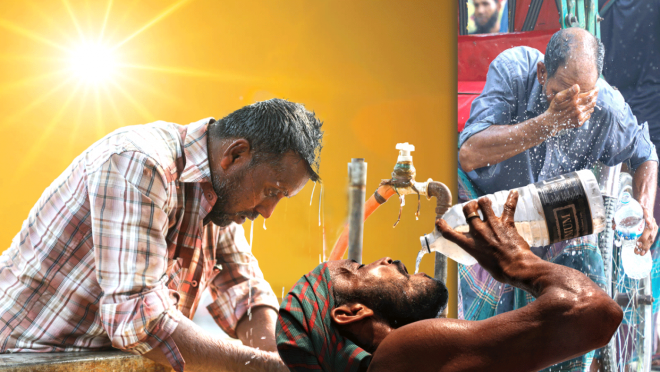
Extreme heat has stopped being a seasonal annoyance; it is now a public health risk playing out in real time.
In this climate, heat does not just make people uncomfortable. It drains the body, strains the heart and disrupts the body’s ability to cool itself. High humidity makes sweating less effective, pushing the risk of dehydration, heat exhaustion and heatstroke even higher. Children, older adults, pregnant women, outdoor workers and people with chronic illnesses are the most vulnerable, but no one is truly immune.
The most effective defence is knowing when to retreat. The hours between late morning and late afternoon, roughly 11:00 am to 4:00 pm, are when the heat peaks. Staying indoors during this window matters. When air conditioning is not available, blocking direct sunlight, shading windows and allowing airflow in the early morning and evening can significantly reduce indoor heat. Survival, in many cases, is about smart adjustments, not expensive solutions.
What you wear also counts. Tight, dark clothing may look good, but in extreme heat it works against you. Loose, light-coloured cotton fabrics help the body breathe. Umbrellas, scarves and hats are not just accessories; they are shields that defend you against the scorching heat. Simple cooling habits such as washing your face, soaking your feet or using a damp cloth on your neck can bring quick relief when the heat becomes overwhelming.
Hydration remains the most underestimated defence. Waiting until you feel thirsty is already too late. Regular sips of water throughout the day are essential, especially in humid conditions where the body loses fluid constantly. Coconut water, lemon water or lightly salted drinks can help after heavy sweating. Sugary drinks, excess tea and coffee may feel refreshing but quietly worsen dehydration.
Food choices matter more in summer. Heavy, oily meals raise internal body heat and slow digestion. Lighter foods, fresh fruits, vegetables and curd-based dishes are easier on the system. This is not the season to challenge your spice tolerance; your body is already working overtime.
Indoor heat often builds unnoticed. Cooking during cooler hours, switching off unused electronics and avoiding heat-producing appliances in the afternoon can make living spaces more bearable. At night, opening windows and creating cross-ventilation can be the difference between rest and another sleepless, sticky night.
For outdoor workers, timing is everything. Early mornings and evenings are safer windows. Regular breaks in the shade, frequent hydration and listening to early signs of fatigue are critical. Pushing through dizziness or weakness in extreme heat is how emergencies begin.
Children and older adults need extra attention. They overheat faster and may not recognise danger signs. Checking in on neighbours or relatives who live alone can save lives. And it cannot be said enough: never leave children, elderly people or pets inside parked vehicles, even briefly.
Heat-related illness often starts quietly with headaches, dizziness, nausea or unusual tiredness. When symptoms escalate to confusion, fainting or hot, dry skin, immediate medical attention is essential. Cooling the body quickly while seeking help can prevent serious outcomes.
As heatwaves grow longer and more intense, adaptation is no longer optional. Staying cool, drinking enough water, planning smarter days and looking out for one another are no longer lifestyle choices; they are necessities.
The heat may refuse to chill. But with awareness, preparation and a bit of common sense, Bangladesh does not have to surrender to it.