Herbivores aren’t harmless: Keep your distance in the wild
Herbivores aren’t harmless: Keep your distance in the wild
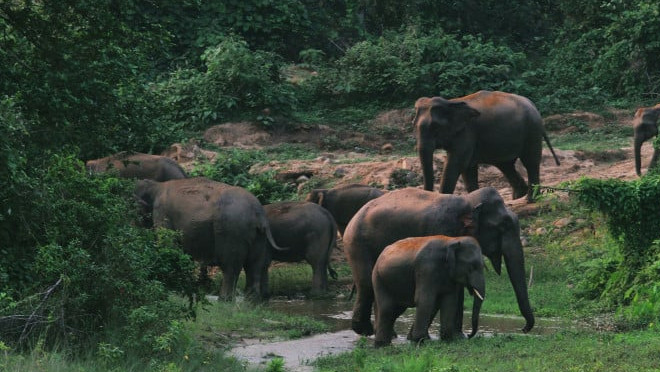
Predators usually carry the reputation of being the most dangerous in nature. However, according to The Nature Network, a UK based wildlife education platform focused on conservation and nature awareness, several plant-eating animals can also be deadly.
These creatures rarely seek conflict, yet when threatened, their power and defensive instincts can overpower even top predators. Anyone encountering them in the wild should always maintain distance and respect their space.
Elephant
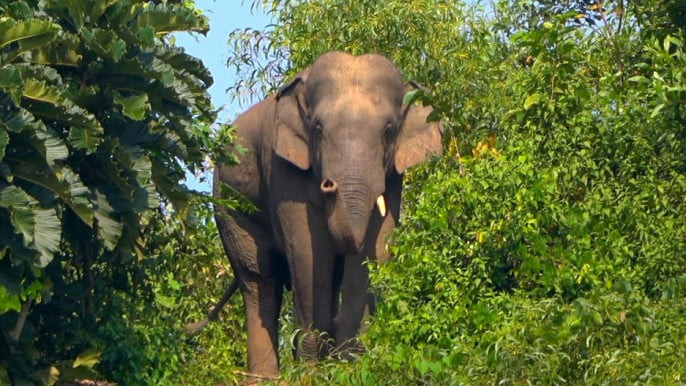
Understanding elephant behaviour is imperative to minimise conflict and casualties. PHOTO: MOHAMMED MOSTAFA FEEROZ
A charging elephant can destroy anything in its path. Their protective behaviour toward calves makes approaching them especially dangerous.Elephants can be deadly when they enter human areas.
In Bangladesh’s Rangamati district, two elderly women were killed and two others injured after wild elephants attacked vehicles on the Asambasti–Kaptai link road on 16 November.
Hippopotamus
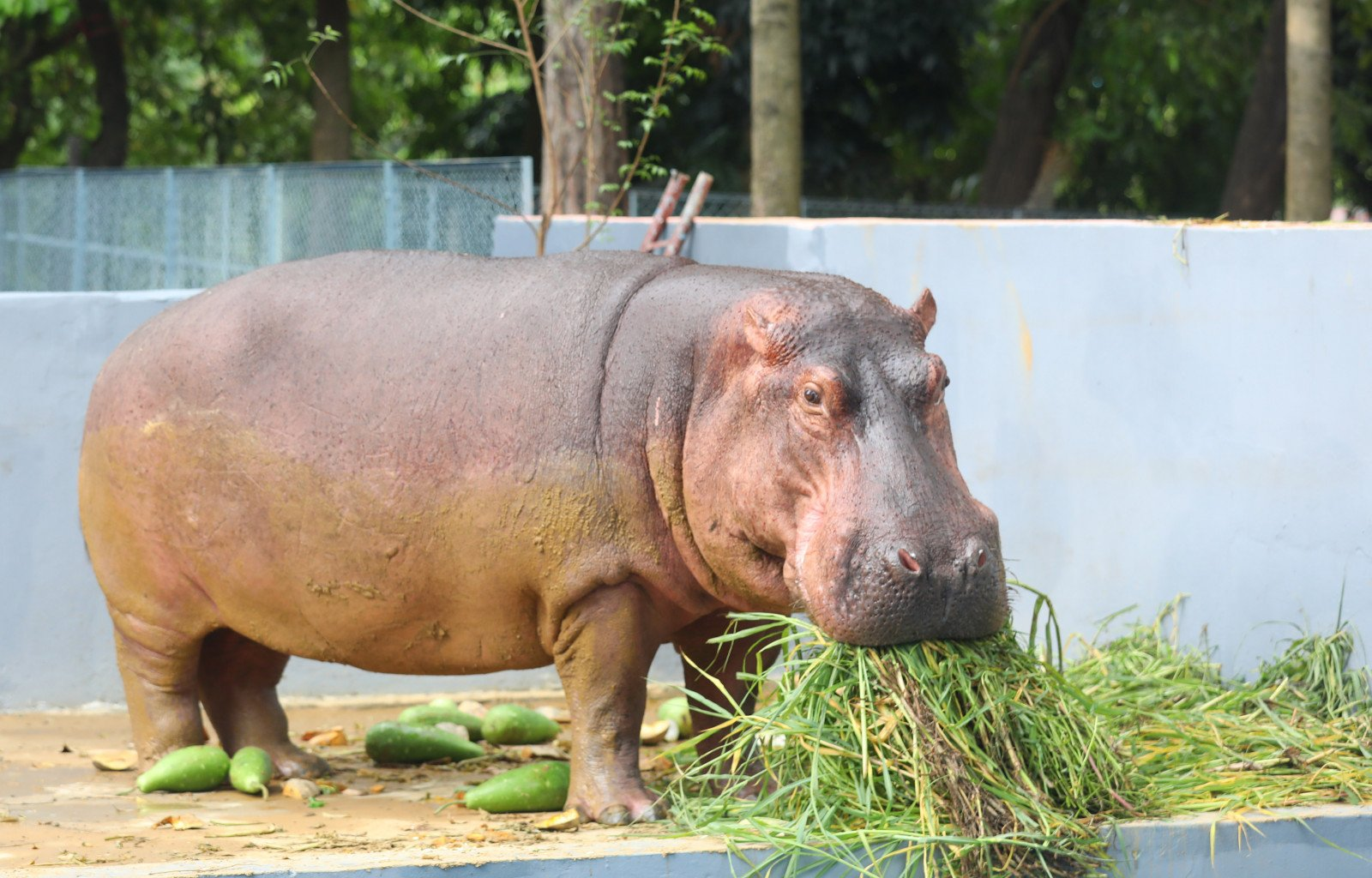
Photo: TBS
Hippo’s are highly aggressive and territorial around water. Their bite force is estimated to be between 1,800 and 2,000 PSI, which is the strongest of all land mammals.
In Mozambique, hippos are one of the most common perpetrators of deadly attacks on people in or close to rivers and lakes.
Rhinoceros
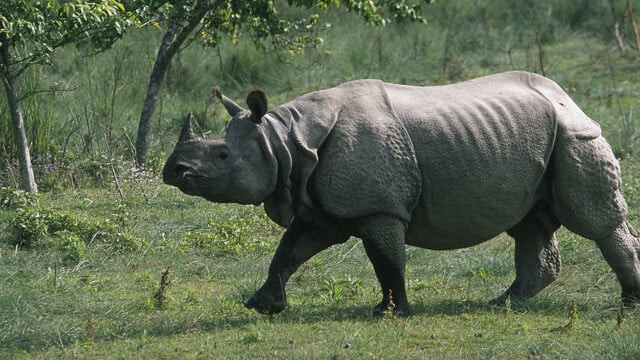
Indian Rhinoceros. Photo: Collected
Rhinos combine speed with strength, reaching high running speeds despite their size. Beyond their horns and thick hide, Rhinos have notoriously poor eyesight. This means that they will often charge at anything that surprises them, whether that is predators, other herbivores, or people.
In a recent incident on 18 November, a rhino came out of Jaldapara National Park in Alipurduar District of northern West Bengal, India, and injured an elderly woman; she was treated at Alipurduar District Hospital
Zebra
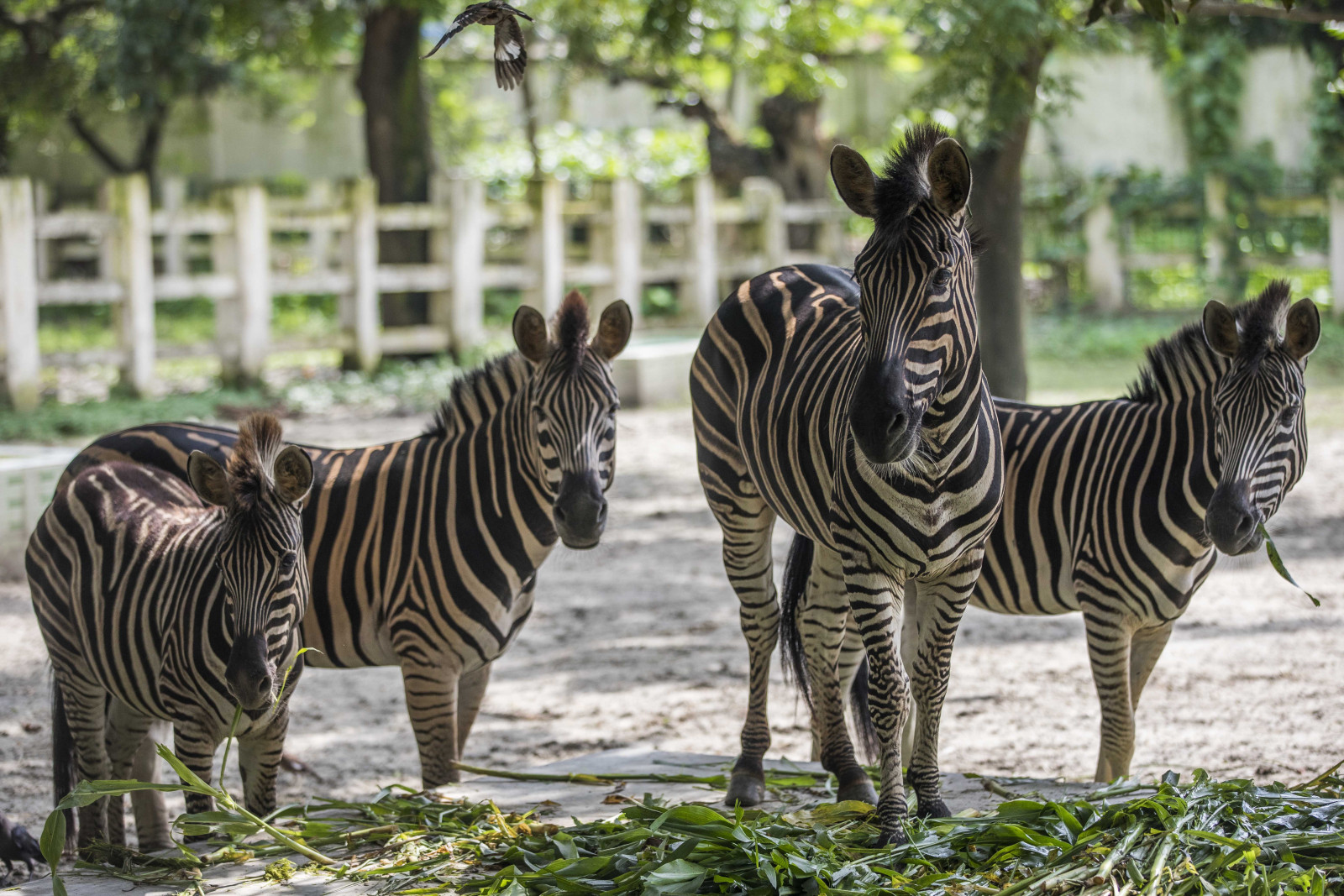
Zebra. Photo: TBS
Zebras are often equated as ‘wild horses’ however this is a dangerous assumption. Zebra’s have never been successfully domesticated, they are known for turning aggressive seemingly without warning.
While no fatalities have been reported, Zebra’s are viewed with caution in Zoo’s, as they have a reputation for savaging zookeepers with their bites, often seemingly without provocation.
Gorilla
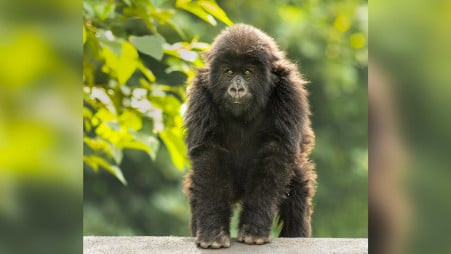
Mountain gorillas are vulnerable species, only found in the willderness. Photo: Muntasir Akash
Gorillas are generally peaceful herbivores. Yet silverback gorillas are usually peaceful herbivores but fiercely protect their group. Weighing up to 200 kilograms, with strong arms and sharp canines, they can overpower intruders and pose a serious threat in the wild.
There have never been a verified report of a gorilla killing a human, even in the wild. However they are very dangerous and have been known to severely injure people, usually when provoked.
Gaur
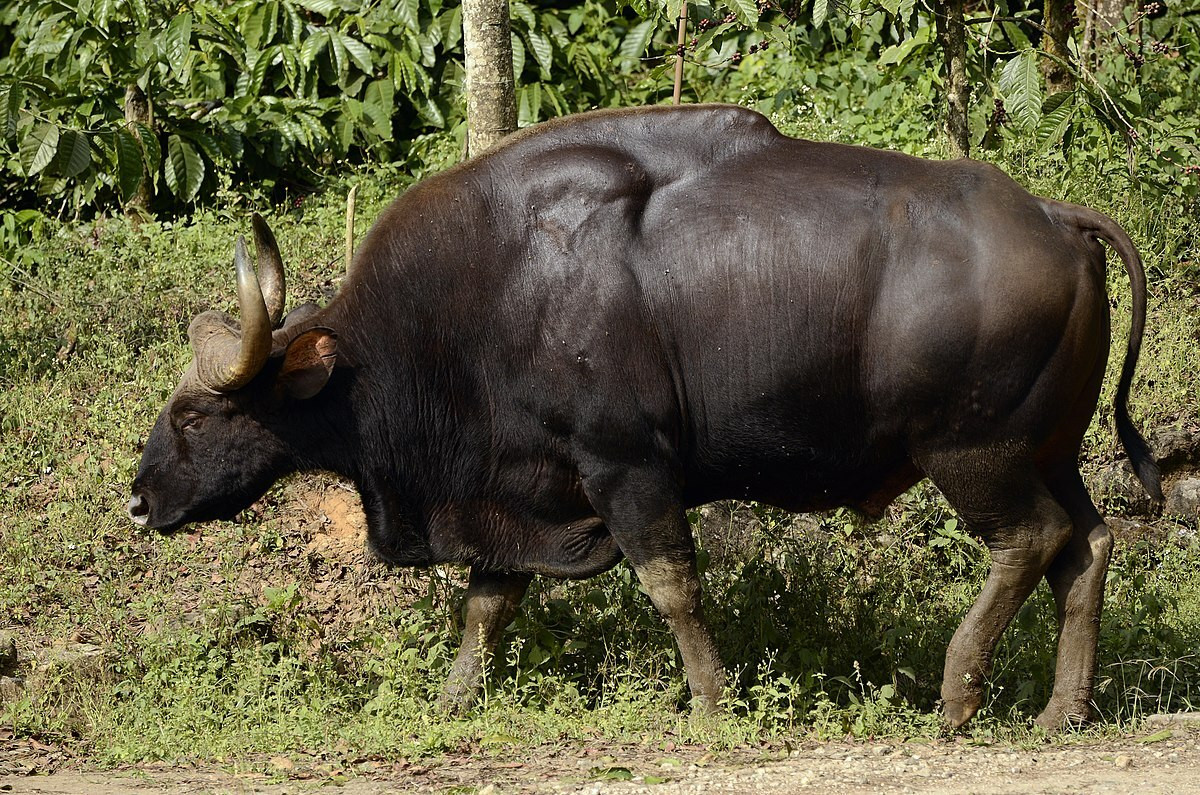
Gaur. Photo: Collected
The Indian bison is one of the strongest wild cattle species. One kick or horn strike can be fatal for tigers hunting them.
Gaur have fatally attacked people near forests in Nepal while defending territory or during conflicts over fodder collection
It’s always important to remember that the danger an animal represents to a human is not defined by whether or not they eat meat. Herbivores on average are responsible for more deaths worldwide than carnivores.
While a tiger or lion may be able to look at prey and decide the risk is not worth the reward, a herbivore will always consider confrontations as life or death, and will act to save themselves, even if it means going through whatever is threatening them.