Five ways to control allergy symptoms all season long
Health experts say seasonal allergy sufferers can significantly reduce symptoms by starting preventive steps early before pollen levels peak instead of reacting after symptoms begin.
Five ways to control allergy symptoms all season long
Health experts say seasonal allergy sufferers can significantly reduce symptoms by starting preventive steps early before pollen levels peak instead of reacting after symptoms begin.
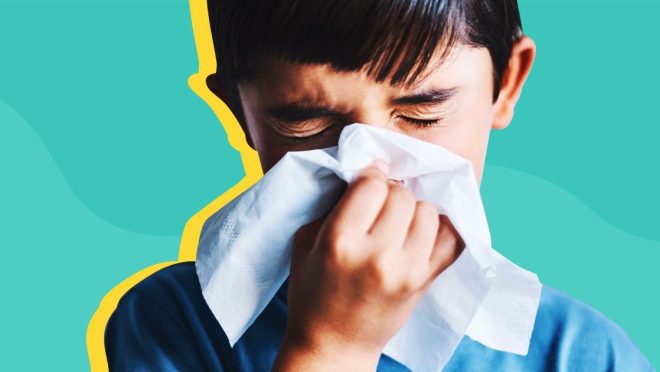
“Allergy seasons are becoming longer and more intense,” experts note, pointing to rising temperatures and higher CO₂ levels that may be increasing pollen production and extending plant blooming periods. In Bangladesh’s context, this could mean longer periods of discomfort from tree, grass, and weed pollen, especially during spring and monsoon transitions.
According to the Washington Post, doctors recommend a proactive approach to keep symptoms under control:
- Prepare your medicine kit early
Stock common allergy medicines such as antihistamine tablets (cetirizine, loratadine, fexofenadine), nasal sprays, and eye drops. Combination use often provides better relief. Steroid nasal sprays are highly effective but should be used regularly for best results. - Keep indoor air clean
Close windows during high pollen days and use fans or air conditioners instead. Air purifiers with HEPA filters can help reduce dust, pollen, and other allergens indoors. - Clean up after going outside
Shower, wash clothes, and change outfits after returning indoors to remove pollen. Saline nasal rinses can also help clear allergens from the nose. - Time outdoor activities wisely
Pollen levels are often lower in the early morning. Avoid long outdoor exposure during windy or high-pollen afternoons when possible. - Seek specialist care if needed
If symptoms persist, consult an allergy specialist. Treatments like immunotherapy (allergy shots or tablets) can reduce long-term sensitivity and provide lasting relief.
Experts say early preparation and consistent management can make allergy season far more manageable, helping people avoid months of discomfort and maintain normal daily life.