How faster reflexes can support healthy ageing
How faster reflexes can support healthy ageing
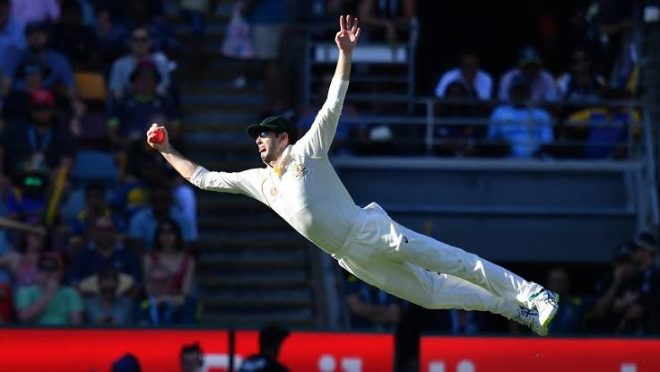
Reaction time refers to the period between noticing a stimulus—such as a slippery surface, an unexpected obstacle or an approaching vehicle—and reacting to it. Research suggests that this ability begins to decline in early adulthood and can accelerate significantly after the age of 60. While often unnoticed, slower reaction times can have serious implications for both physical safety and mental sharpness.
One of the most significant consequences of reduced reaction speed is an increased risk of falls. When a person trips or loses balance, the nervous system has only fractions of a second to activate the muscles needed to regain stability. If the response is delayed, the likelihood of a fall rises considerably.
Falls remain one of the leading causes of injury among older adults. Beyond the immediate physical risks, slower reactions can also affect confidence. Many people begin avoiding activities they once enjoyed—whether it is walking on uneven ground, playing sports or engaging in outdoor recreation—because they feel less secure in their movements. Over time, this reduction in activity can contribute to further physical decline.
Reaction time is closely linked to brain health. It reflects how efficiently the brain processes information and communicates with the body. Faster processing speeds are associated with better cognitive performance, while slower responses can be an early indicator of age-related decline.
Studies have shown that training exercises designed to improve processing speed may offer long-term cognitive benefits. Researchers have found that older adults who regularly engaged in speed-of-processing training were less likely to develop dementia compared to those who did not participate in such programmes. These findings highlight the strong connection between reaction-time exercises and healthy brain ageing.
The good news is that reaction-time training does not require expensive equipment or access to professional sports facilities. A few simple exercises can be performed at home:
Clock taps
Place numbered sticky notes around a wall in the shape of a clock. Use a recorded sequence of random numbers and tap the corresponding note as quickly as possible when each number is called.
Wall ball rebounds
Throw a tennis ball against a wall and catch it after the rebound. Varying the angle of the throw creates unpredictable bounces that challenge reflexes and coordination.
Ball drop drill
With a partner, have them hold a tennis ball at shoulder height and release it without warning. Try to catch it before it bounces twice.
Lateral shuffle drill
Set two markers a short distance apart. A partner randomly points left or right, prompting you to quickly shuffle in the indicated direction.
Building the habit
Reaction-time exercises only need a small commitment to be effective. Spending five to 10 minutes, two or three times a week, can help improve reflexes, coordination and responsiveness. Keeping track of progress—such as successful catches or reaction speed—can also help maintain motivation.
Reaction time is a critical yet often neglected component of fitness. By incorporating simple reaction-based exercises into a regular routine, older adults can improve balance, reduce the risk of falls, maintain confidence in movement and support long-term cognitive health. In many ways, training your reactions is not just about moving faster—it is about staying independent, active and mentally sharp for years to come.