A Knight of the Seven Kingdoms: A scriptwriting masterclass in modern fantasy
HBO’s A Knight of the Seven Kingdoms officially launched on 18 January 2026 as a prequel to Game of Thrones, adapting George R.R. Martin and Ira Parker’s Tales of Dunk and Egg novellas.
A Knight of the Seven Kingdoms: A scriptwriting masterclass in modern fantasy
HBO’s A Knight of the Seven Kingdoms officially launched on 18 January 2026 as a prequel to Game of Thrones, adapting George R.R. Martin and Ira Parker’s Tales of Dunk and Egg novellas.
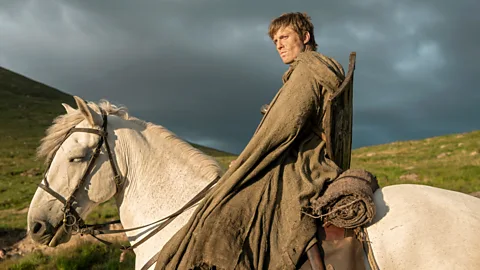
It is HBO’s most intimate and powerful Westeros story yet. Set roughly a century before the original saga and decades after the House of the Dragon timeline, it follows the humble hedge knight Ser Duncan the Tall, known as Dunk, and his young squire Aegon “Egg” Targaryen on a series of episodic, character-driven adventures across Westeros.
This era is notable for its absence of dragons and for spotlighting the virtues and contradictions of knighthood in a complex realm.
Season 1 comprises six tightly written episodes that balance grounded characterisation with sweeping medieval landscapes, filmed in Northern Ireland’s iconic settings, from lush estates to rugged hillsides. The screenplay is widely praised for its deft narrative pacing and for imbuing dialogue with both wit and thematic depth, focusing on honour, friendship, and the elusive meaning of true knighthood.
Critically, the first season earned generally favourable reviews. On Metacritic, it scored 74 out of 100, along with a remarkable 95% fresh rating on Rotten Tomatoes, the highest debut for any Game of Thrones-related series to date. Many reviewers highlight the chemistry between the leads and the show’s refreshing tonal shift towards camaraderie and humanity over high-fantasy spectacle. Many viewers are praising its scriptwriting with a score of 10 out of 10.
Audience reception has been passionate, with IMDb episode ratings averaging near 9 out of 10 and fervent fan engagement fuelling discourse on social platforms, although some backlash emerged over an unexpectedly graphic early scene that divided viewers.
While analysing the positive and negative aspects of the series, it becomes clear that it offers thoughtful storytelling with emotional resonance and compelling performances. The series has received widespread appreciation for its approach within a familiar world and its exceptional overall reception.
For some viewers, the six-episode format led to uneven momentum and brief runtime frustrations. The selection of tonal choices and specific scenes also sparked mixed reactions among long-time franchise fans.
Overall, A Knight of the Seven Kingdoms delivered a robust, critically acclaimed season that both honours its source material and broadens the narrative scope. The series stands as a true example of a scriptwriting masterclass in modern fantasy television.