Bangladesh is scrolling the climate crisis, but is anyone acting?
In Bangladesh, climate change is no longer abstract. It is visible in every flood, cyclone, and patch of farmland swallowed by saltwater. While policymakers debate mitigation strategies, much of the nation’s youth are learning about climate not in classrooms or reports, but through their social feeds.
Bangladesh is scrolling the climate crisis, but is anyone acting?
In Bangladesh, climate change is no longer abstract. It is visible in every flood, cyclone, and patch of farmland swallowed by saltwater. While policymakers debate mitigation strategies, much of the nation’s youth are learning about climate not in classrooms or reports, but through their social feeds.
Memes, reels, and trending stories have become the new textbooks for environmental consciousness.
Digital engagement is both promising and problematic. It allows young people to connect, share, and amplify climate awareness in ways traditional media cannot. Yet scrolling alone does not guarantee action, and concern can remain symbolic rather than transformative.
Youth engagement online
In our research, Scrolling the Climate: How Social Media Shapes Youth’s Awareness of Environmental Issues in Bangladesh, we explored how digital platforms influence youth awareness, emotions, and participation. We surveyed 150 young people and conducted 25 in-depth interviews, including climate experts and active students, to capture trends and personal experiences.
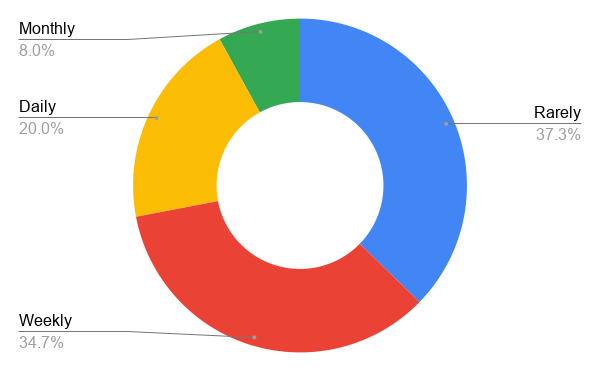
Quantitative results revealed important patterns. Frequent exposure to climate content significantly increased offline participation. While 37% of respondents rarely saw climate posts, 35% saw them weekly and 20% daily. Yet only 31% had participated in any climate-related activity.
Interestingly, believing in the effectiveness of social media activism alone did not predict participation. Although 85% of respondents believed online activism could produce positive change, most had not acted offline, highlighting the persistent “intention–action gap.” Youth may engage emotionally online, but structural barriers such as limited access, financial constraints, guidance, and social norms often prevent offline action.
Social media as a learning platform
Participants emphasised that social media raises awareness more effectively than newspapers or television. Facebook, LinkedIn, and Instagram dominated, with algorithmic feeds repeatedly exposing youth to climate content.
“Social media has more impact than traditional media. Especially Facebook. Newspaper writing has less reach than a social media post,” said a 21-year-old from Dhaka. Urban youth, with better connectivity and access to events, were more actively engaged, while rural youth faced offline limitations.
Visual and emotionally resonant content proved critical. Videos, reels, infographics, and personal stories captured attention and encouraged sharing. Participants stressed balancing alarming content with hope and practical solutions:
“Constantly seeing negative news can make people numb. Instead, content should give people hope and show practical solutions,” said a 27-year-old from Khulna.
Event-driven campaigns generated the highest engagement. Initiatives like the Green Bangladesh Scholarship Programme and BD Clean showed that online awareness could translate into offline action when paired with mentorship, guidance, and community mobilisation.
“One inspiring example is the Green Bangladesh Scholarship Programme. Mahmudur Rahman began cleaning Gulshan Lake on his own, and we learned about his efforts through social media. Now, it has grown into a community,” a participant noted.
Culture and education
Culturally sensitive messaging strengthens engagement. Linking climate content to Islamic principles of stewardship and local traditions improved credibility. Educational institutions acted as bridges, connecting online literacy to offline initiatives through workshops, student-led events, and environmental days.
“Educational institutions can be very effective. Celebrating Environment Day or organising student-led activities can turn awareness into real action,” explained a 25-year-old participant from Dhaka.
Participants also anticipate increasing digital engagement over the next decade, with short-form videos, AI-generated content, and international collaborations shaping youth climate communication. Aligning content with social media algorithms and global partnerships could make campaigns more credible and far-reaching.
Our perspective
Social media is a powerful tool for awareness, but it cannot replace guidance, policy support, or tangible opportunities. Bangladeshi youth are motivated and digitally savvy, yet without connecting online engagement to culturally grounded, institutionally supported initiatives, much online activism remains symbolic.
We argue that climate communication must go beyond likes, shares, and viral posts. Short-form videos, reels, and compelling content should be paired with mentorship, offline events, and supportive policies. Only then can online enthusiasm transform into real climate action.
Bangladesh’s youth are scrolling for change, but if that awareness is to shape the country’s climate future, pathways must connect memes and reels with real-world solutions. Social media opens the door to consciousness, but society, institutions, and culture must guide youth through it.