The AI learning boom: Education is evolving, but not in the way educators expected
The integration of artificial intelligence (AI) into higher education is rapidly transforming how students learn, interact, and perform academically.
The AI learning boom: Education is evolving, but not in the way educators expected
The integration of artificial intelligence (AI) into higher education is rapidly transforming how students learn, interact, and perform academically.
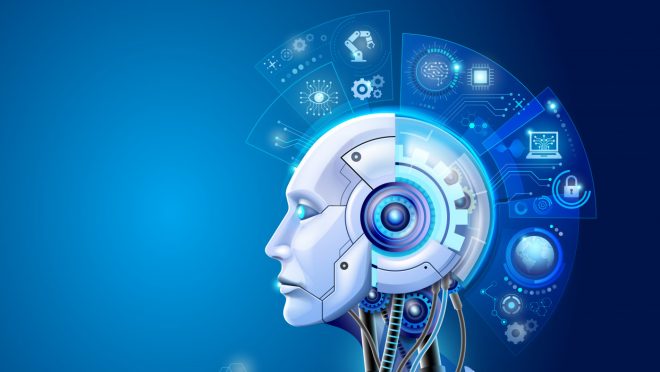
Generative AI tools are no longer experimental technologies; they are becoming active learning companions that personalise education, support understanding, and reshape cognitive development.
This study explores how generative AI techniques and applications influence students’ cognitive achievement, with student behaviour acting as a mediating factor. Conducted across universities in Oman, Jordan, and Yemen, the research provides one of the early empirical insights into AI adoption in Arab higher education contexts.
Academic landscape
A quantitative cross-sectional design was employed to examine the relationships between AI usage and student outcomes. Data were collected from 768 university students through structured online questionnaires distributed across three Arab countries.
The analysis was conducted using Structural Equation Modelling (SEM-PLS), allowing researchers to test both direct and indirect relationships between variables. The model focused on three key constructs: generative AI techniques, generative AI applications, and student cognitive achievement, with student behaviour acting as a mediating variable.
Generative AI in this study was divided into two components. First, generative AI techniques referred to the underlying algorithms and methods that enable machines to create new content based on training data. Second, generative AI applications referred to practical tools that students directly interact with, such as AI-powered writing assistants and learning platforms.
Key statistical insights: What the data revealed
Student behaviour was defined as the way learners engage with academic resources and AI tools in their educational environment. Cognitive achievement included critical thinking, problem-solving ability, memory retention, and overall academic performance.
The sample included undergraduate and postgraduate students from diverse academic backgrounds. The majority were aged between 23 and 27 years, with representation from diploma to post-doctoral levels.
Participants were drawn from Oman, Jordan, and Yemen, ensuring regional diversity. The study reflects a developing digital learning environment where AI adoption is still in its early stages but growing steadily.
The study used validated measurement scales adapted from previous research to ensure reliability and accuracy. A total of 27 items were included in the questionnaire, covering AI techniques, AI applications, student behaviour, and cognitive achievement.
Data analysis showed strong reliability and validity across all constructs. The model demonstrated that students were moderately engaged with generative AI tools, suggesting that usage is still emerging but expanding.
The results indicated a strong and statistically significant relationship between generative AI and student outcomes.
Generative AI techniques positively influenced student behaviour, which in turn enhanced cognitive achievement. Similarly, AI applications had a stronger direct effect on both behaviour and academic performance.
Student behaviour played a critical mediating role, strengthening the relationship between AI usage and cognitive achievement. The model explained a substantial proportion of variance in outcomes, indicating strong predictive power.
AI environments
One of the most important findings is that student behaviour significantly shapes how AI affects learning outcomes. Students who actively engage with AI tools tend to experience better academic performance.
This suggests that AI alone is not enough. Its effectiveness depends on how students use it, interact with it, and integrate it into their learning habits. Behaviour, therefore, becomes the bridge between technology and cognitive development.
Generative AI is increasingly being used to provide personalised feedback, generate study materials, and support problem-solving tasks. Tools like conversational AI systems allow students to clarify concepts, test ideas, and receive instant explanations.
This shift reduces dependence on traditional one-size-fits-all teaching models and introduces adaptive learning environments that respond to individual student needs.
However, concerns remain regarding content accuracy, over-reliance on AI, and the need for human validation in academic contexts.
Educational implications
The findings highlight that AI integration in Arab higher education is still in its early development phase. While students are beginning to adopt these tools, institutional readiness varies widely.
From a pedagogical perspective, AI can support more interactive and personalised learning. It also reduces administrative workload, allowing educators to focus more on mentoring and conceptual teaching.
However, this transition requires careful planning to ensure ethical use, data privacy protection, and equitable access across institutions.
The wider impact: Beyond the classroom
AI adoption in education carries broader economic and cultural implications. Economically, it can improve efficiency, reduce operational costs, and create new digital learning industries.
Culturally, it challenges traditional teaching methods and raises questions about dependency on technology. It also introduces concerns about digital inequality, particularly in developing educational systems.
Balancing innovation with ethical responsibility remains a central challenge for policymakers and educators.
Limitations
Despite its contributions, the study acknowledges several limitations. AI adoption among students is still at an early stage, meaning exposure levels are relatively low. Additionally, cross-sectional data limits the ability to draw causal conclusions.
There are also concerns about data completeness and the evolving nature of AI tools, which may affect long-term applicability of findings.
This study demonstrates that generative AI has a significant and positive impact on student behaviour and cognitive achievement in Arab higher education institutions. However, its influence is not automatic; it is strongly shaped by how students engage with the technology.
The findings suggest that AI is not replacing traditional learning but reshaping it. As universities continue to adapt, the real challenge lies in integrating AI responsibly while ensuring that human learning, critical thinking, and academic integrity remain at the centre of education.