Dirty homes, unsafe water, and toxic cooking fuels driving child malnutrition in Bangladesh: Study finds
Dirty homes, unsafe water, and toxic cooking fuels driving child malnutrition in Bangladesh: Study finds
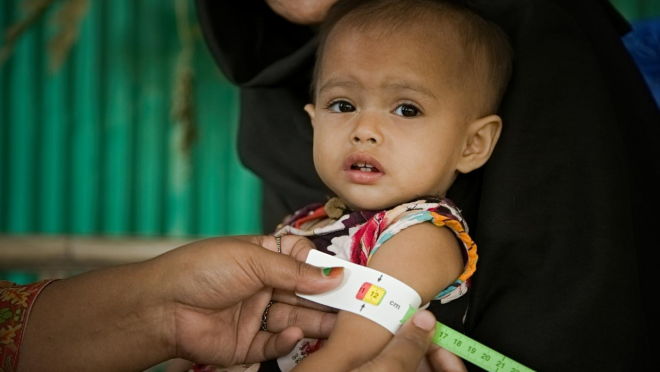
A large multi-institutional study has found that poor household environmental conditions are strongly linked to undernutrition among children under five in Bangladesh, highlighting how housing quality, water safety and sanitation continue to shape child health outcomes across the country.
The research was conducted by a team of public health and nutrition experts from the Maternal and Child Health Division and Health System and Population Studies Division at icddr,b, alongside researchers from La Trobe University, Jatiya Kabi Kazi Nazrul Islam University, London School of Hygiene & Tropical Medicine, The University of Melbourne, and other collaborating institutions.
Key findings
The analysis used nationally representative data from the 2017–18 Bangladesh Demographic and Health Survey, covering 8,057 children under five years of age. Researchers applied multilevel statistical models to examine how household environmental conditions influence three key indicators of undernutrition: stunting, wasting and underweight.
Environmental conditions were assessed through a composite score that included housing materials, drinking water source, sanitation, handwashing facilities and exposure to household air pollution from cooking fuels.
The study found that undernutrition remains widespread in Bangladesh, with 31 per cent of children stunted, 8 per cent wasted and 22 per cent underweight.
Children living in poorer household environments consistently faced higher risks of malnutrition. In particular, those exposed to unsafe cooking conditions, unimproved housing materials, contaminated water sources and poor sanitation showed significantly higher likelihoods of stunting and underweight.
Households with multiple environmental risk factors showed a clear cumulative effect. As the number of poor environmental conditions increased, so did the probability of undernutrition, in some cases more than doubling the risk compared with children living in healthier environments.
The study also found notable differences between rural and urban areas. Rural children were more affected by poor housing materials, unsafe cooking practices and sanitation problems, while in urban settings, issues such as lack of water treatment and inadequate hygiene facilities were more strongly associated with malnutrition outcomes.
Implications
Despite improvements in awareness and public health interventions, Bangladesh continues to face a persistent gap between infrastructure development and child nutrition outcomes.
The researchers argue that nutritional programmes alone are not enough. Instead, integrated interventions that combine improved housing, clean cooking energy, safe drinking water and sanitation are essential to reduce child undernutrition at scale.
They also note that while Bangladesh has made progress in sanitation and health services, disparities between rural and urban areas remain significant, requiring targeted policy attention.
The study concludes that child undernutrition in Bangladesh is not only a dietary issue but also an environmental one. Unsafe living conditions, combined with limited access to clean water and sanitation, continue to play a central role in shaping child health.
Addressing these structural challenges, the authors suggest, will be critical for achieving long-term improvements in child nutrition and reducing preventable health inequalities across the country.