Global weather disruption likely as El Niño risk rises to 80%
Global weather disruption likely as El Niño risk rises to 80%
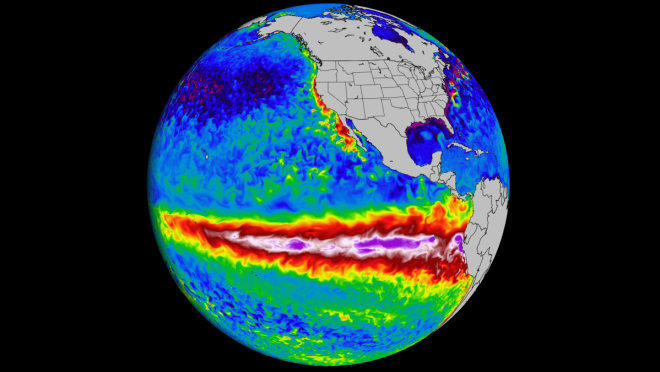
The United Nations’ weather agency, the World Meteorological Organization (WMO), has warned that there is roughly an 80 per cent likelihood of the El Niño climate pattern forming between June and August 2026. This natural phenomenon, caused by unusually warm sea-surface temperatures in the tropical Pacific Ocean, tends to alter global weather patterns and can increase the risk of extreme heat, droughts, heavy rainfall and floods in many regions of the world.
According to the WMO’s latest El Niño/La Niña bulletin, most forecast models indicate that the event will be at least moderate in strength and could possibly become strong. The probability of El Niño evolving by November is near or above 90 per cent.
WMO Secretary-General Celeste Saulo has urged countries to prepare for its potential impacts, which include shifts in rainfall and temperature patterns that can affect agriculture, water resources, health and disaster risk management.
UN Secretary-General António Guterres described the approaching El Niño as an urgent climate warning, saying it could “pour fuel on the fire of a warming world” and that the global community must strengthen early warning systems and climate action to protect vulnerable populations.
Forecasts also suggest that for June–August, above-normal temperatures are expected across most parts of the globe, which could compound hazards like drought or heavy rainfall in different regions