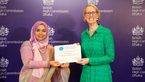
The physician who chose mountains
Most people have to choose between their profession and passion at a certain stage of their life. For Dr Babar Ali, the two have existed side by side throughout his life, one providing him with a livelihood and the other providing him with a purpose.
The physician who chose mountains
Most people have to choose between their profession and passion at a certain stage of their life. For Dr Babar Ali, the two have existed side by side throughout his life, one providing him with a livelihood and the other providing him with a purpose.
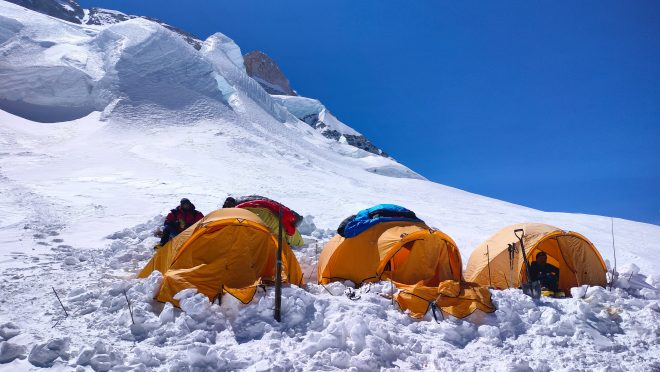
He introduces himself simply: an adventurer by passion and a physician by profession.
Yet that modest description barely captures the breadth and depth of a life spent pursuing challenges that most people would never dare to attempt. Professionally a physician, he scuba dives, kayaks, cycles, runs, and undertakes long cross-country hikes. But among all his adventures, watching the world from the highest peaks has captured his imagination the most.
For Dr Ali, climbing mountains is not an occasional hobby. It is a lifestyle.
“Mountaineering is not something where I start preparing a month before an expedition,” he says. “I prepare throughout the year.”
His day-to-day routine reflects that philosophy. Most mornings begin with a run of nearly 10 kilometres, followed by abdominal exercises and CrossFit training. Several days a week, he walks carrying a backpack weighing around twenty kilograms. Core training, high-intensity interval workouts, and pranayama breathing exercises are all part of his preparation before any expedition.
As I write this article, Babar Ali has accumulated so many achievements that even being the first Bangladeshi to climb Mount Lhotse reveals only part of his story. He is among the eight Bangladeshi mountaineers who have reached the summit of Mount Everest, one of whom, Sajal Khaled, tragically passed away due to altitude-related complications.
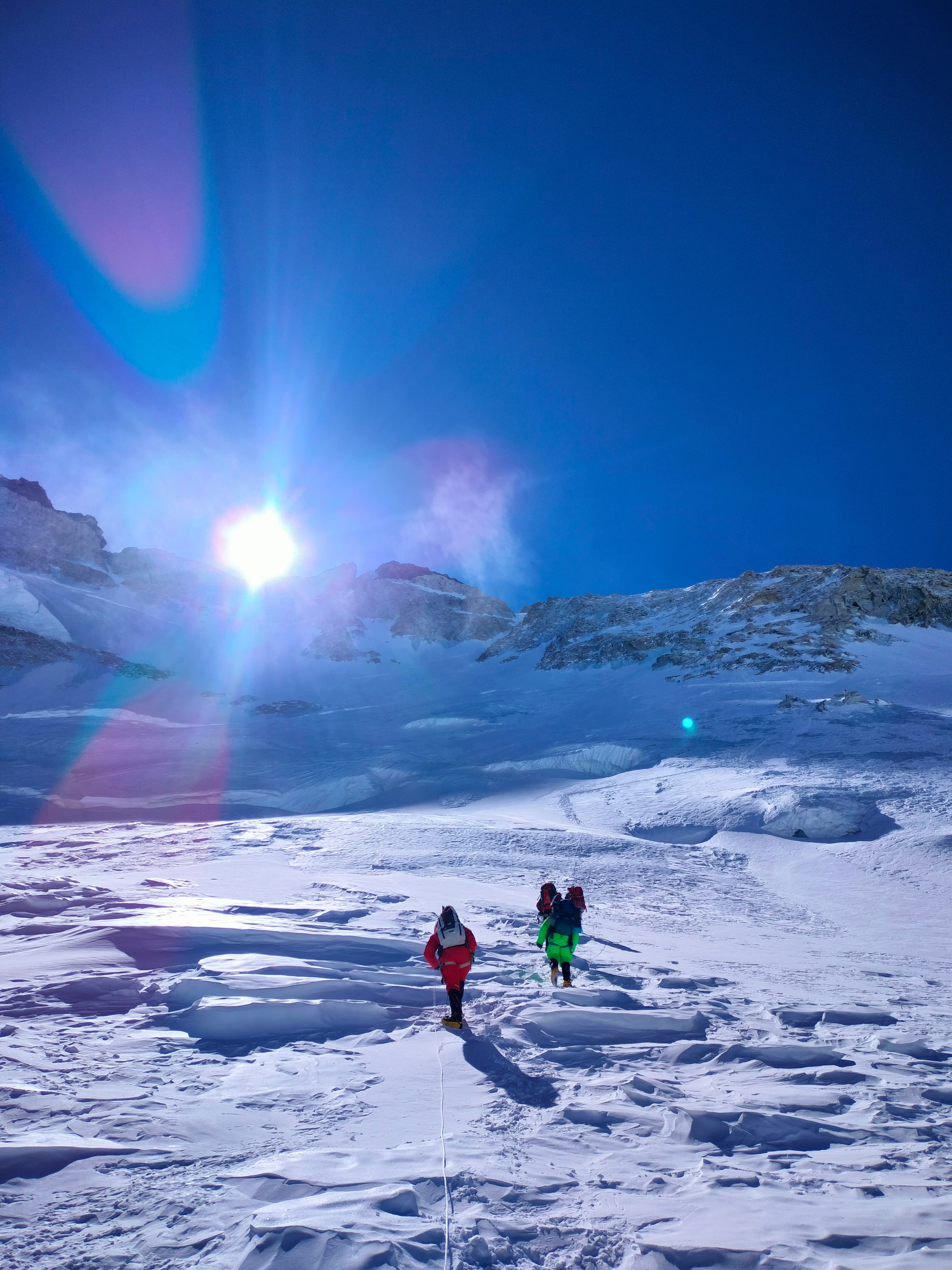
Photo: Courtesy
After conquering Mount Everest and Mount Lhotse, many would have considered their mountaineering ambitions fulfilled. Dr Ali, however, found himself searching for another challenge, another journey that would push him even further.
To understand the man behind the achievements, one must first understand the mindset that drives him.
Dr Babar Ali considers himself an armchair traveller. When asked about his inspirations, one of the books that profoundly influenced him was Annapurna by Maurice Herzog, the account of humanity’s first successful ascent of an 8,000-metre peak in 1950. He also cites Chander Pahar by Bibhutibhushan Bandyopadhyay as a major source of inspiration.
Eventually, Annapurna I emerged as a mountain he dreamed of climbing, not merely because of its height, but because of its history and the challenge associated with it.
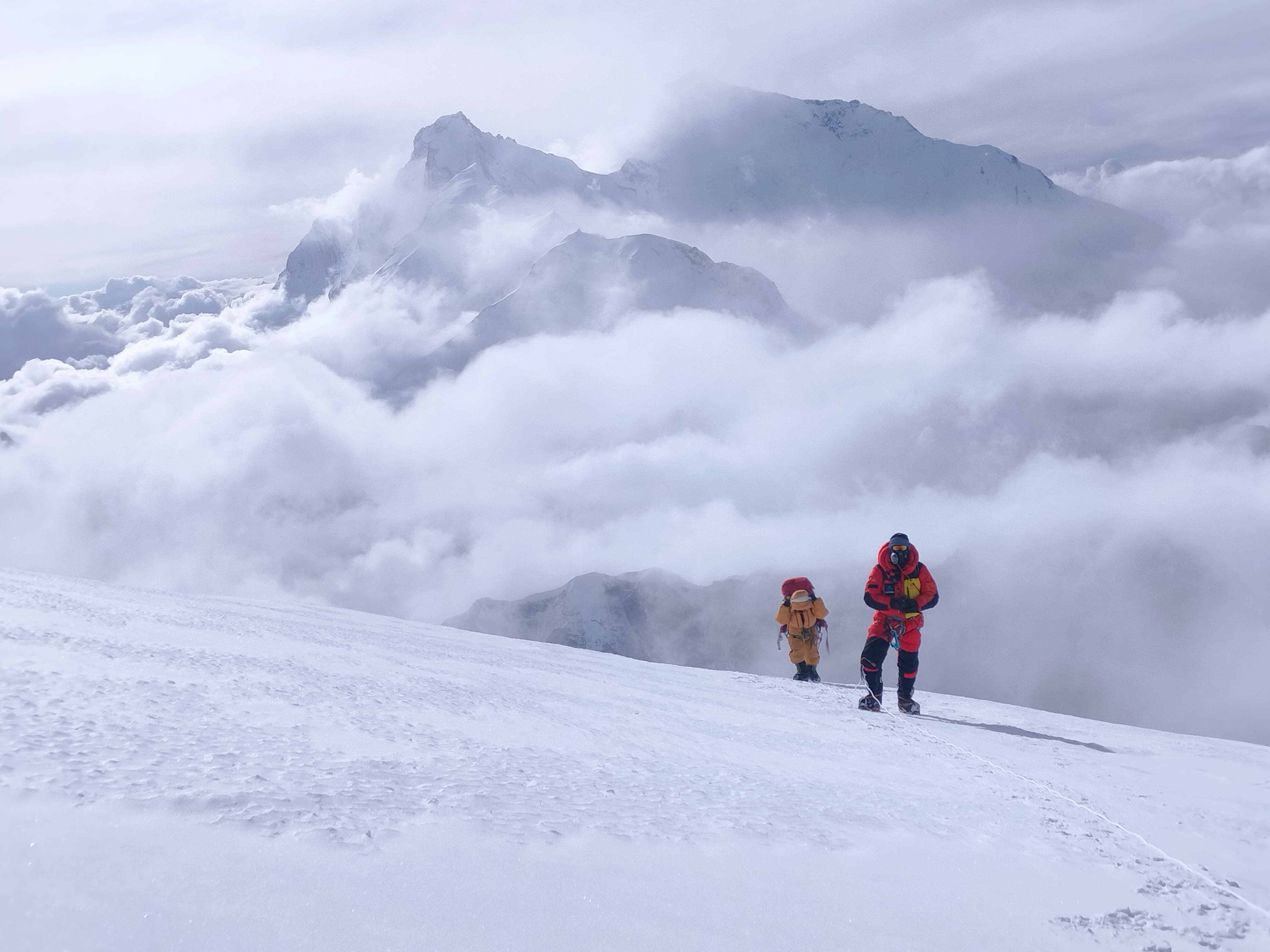
Photo: Courtesy
Books, in many ways, have guided much of his journey.
“I am deeply moved by books,” he says.
That sense of inspiration has accompanied him from one summit to another, including Mount Makalu, the world’s fifth-highest mountain and one of the most technically demanding peaks on Earth.
While many climbers focus on Everest, Dr Ali describes Makalu as one of the most treacherous mountains he has faced.
“The weather was mysterious,” he recalls. “It was extremely windy and very cold.”
The route between Camp Two and Camp Three proved especially challenging, with dangerous rock sections and unpredictable conditions that constantly tested both skill and judgement.
At such altitudes, the challenge becomes more than physical.
“The human body is not fit to operate above 8,000 metres,” he explains. “It starts consuming itself and functions in a very minimal way.”
Mountaineers often refer to this region as the “death zone”, where every movement requires immense effort and even basic tasks become exhausting. Success is determined not only by strength but also by patience, discipline, and mental resilience.
For Dr Ali, however, the summit itself is only part of the reward.
The true achievement comes from representing Bangladesh on some of the world’s highest peaks.
“The sense of accomplishment comes when I can fly my country’s flag at the top of a mountain,” he says.
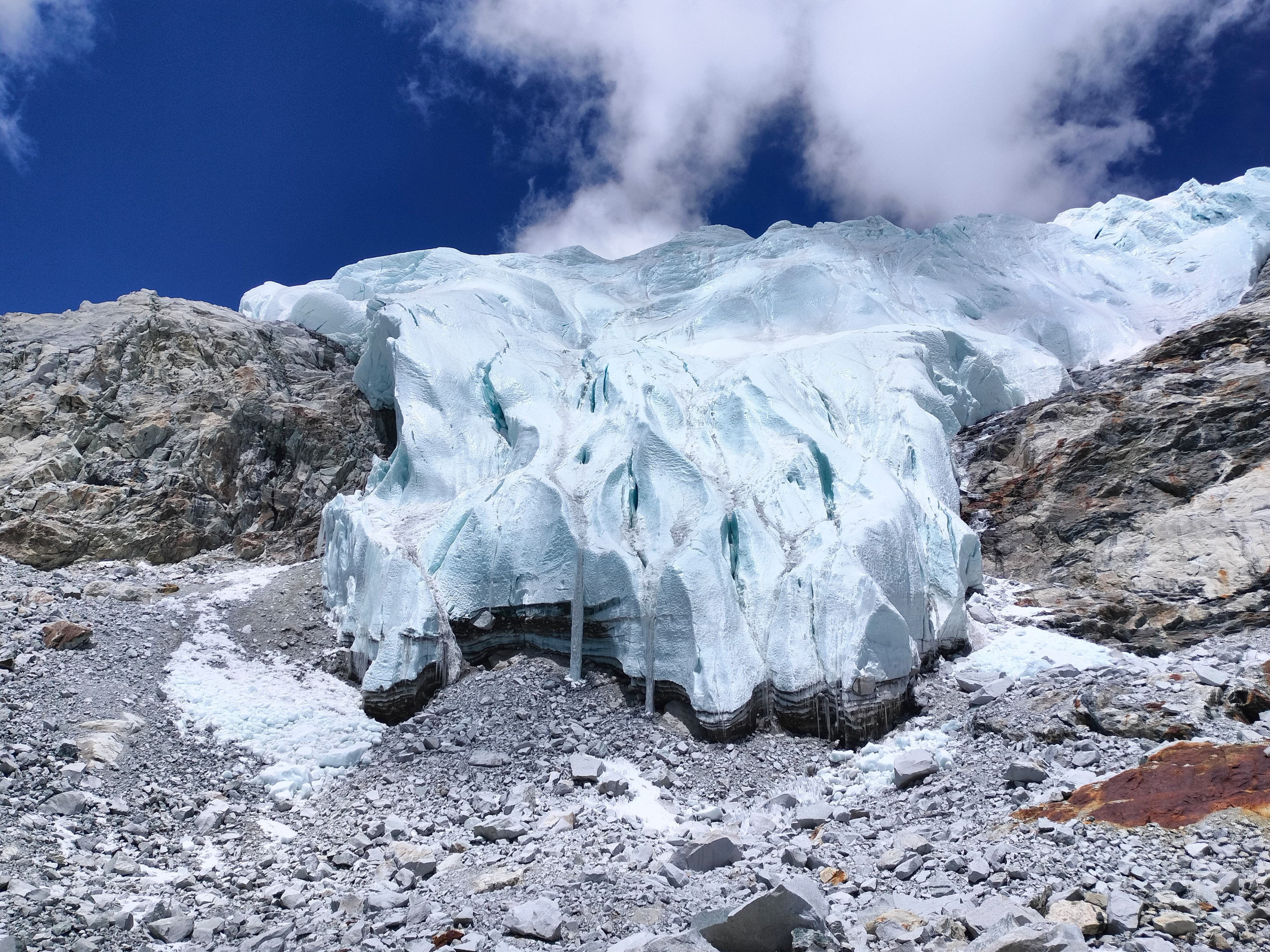
Photo: Courtesy
That feeling was particularly profound on Mount Makalu. To date, he remains the only Bangladeshi mountaineer to have successfully climbed the peak. Standing on its summit, more than 27,000 feet above sea level, he unfurled the national flag with a sense of pride that transcended personal achievement.
“As a country, we are still behind many others in mountaineering,” he reflects. “That is why it becomes such an emotional moment.”
Every mountain presents a different challenge, he says. The terrain changes. The risks change. Even the fears are different.
“Every mountain is different. The challenges are different. The fear factors are different.”
Yet it is precisely those differences that continue to attract him.
New challenges provide what he describes as an adrenaline rush. Long before any expedition begins, he prepares himself mentally by accepting the inevitable hardships ahead.
“My sufferings are temporary,” he says. “My ability to win is permanent.”
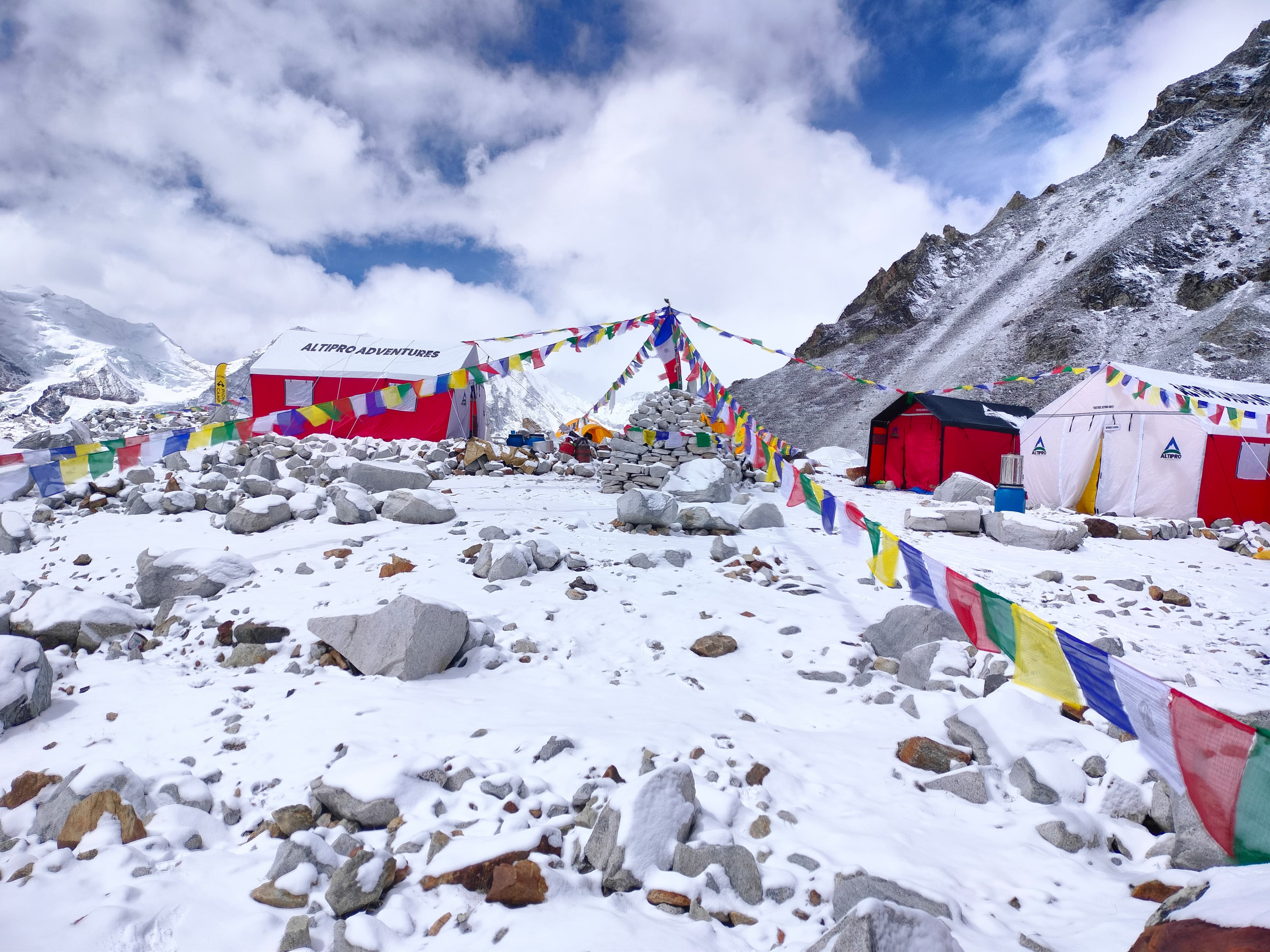
Photo: Courtesy
That mindset, he adds, is what has carried him through years of climbing. He advises younger adventurers to cultivate the same resilience.
By successfully climbing technical peaks such as Makalu, he believes he is helping create a path for future Bangladeshi climbers.
“If I can do it, others can too,” he says.
When asked what advice he would offer aspiring mountaineers, his answer comes in the form of what he calls the “Three Ms”.
“The mindset, the muscle, and the money.”
According to him, all three are equally important. Without mental strength, physical fitness becomes insufficient. Without physical preparation, determination alone cannot overcome the mountain. And without financial resources, many expeditions remain inaccessible.
“Only when all three come together can someone stand on top of these giants.”
Ironically, the man who has spent so much of his life scaling mountains never initially planned to become a doctor.
Out of respect for his parents’ wishes, he enrolled at Chittagong Medical College and eventually became a physician. Yet it was during those student years that another journey quietly began.
He started trekking while studying medicine.
The roots of that passion stretch back even further. As a secondary school student, he travelled to Keokradong, one of Bangladesh’s most iconic peaks. That experience ignited something within him.
“Nothing stopped me after that,” he says.
The life journey of Dr Babar Ali was not a bed of roses either.
Coming from a middle-class family, he often faced criticism and concern from both relatives and close associates. Sports in Bangladesh are not generally regarded as a highly respected profession. People often questioned his motivations and life choices. Eventually, introducing his trekking companions to his parents reassured them that he was not surrounded by the wrong crowd.
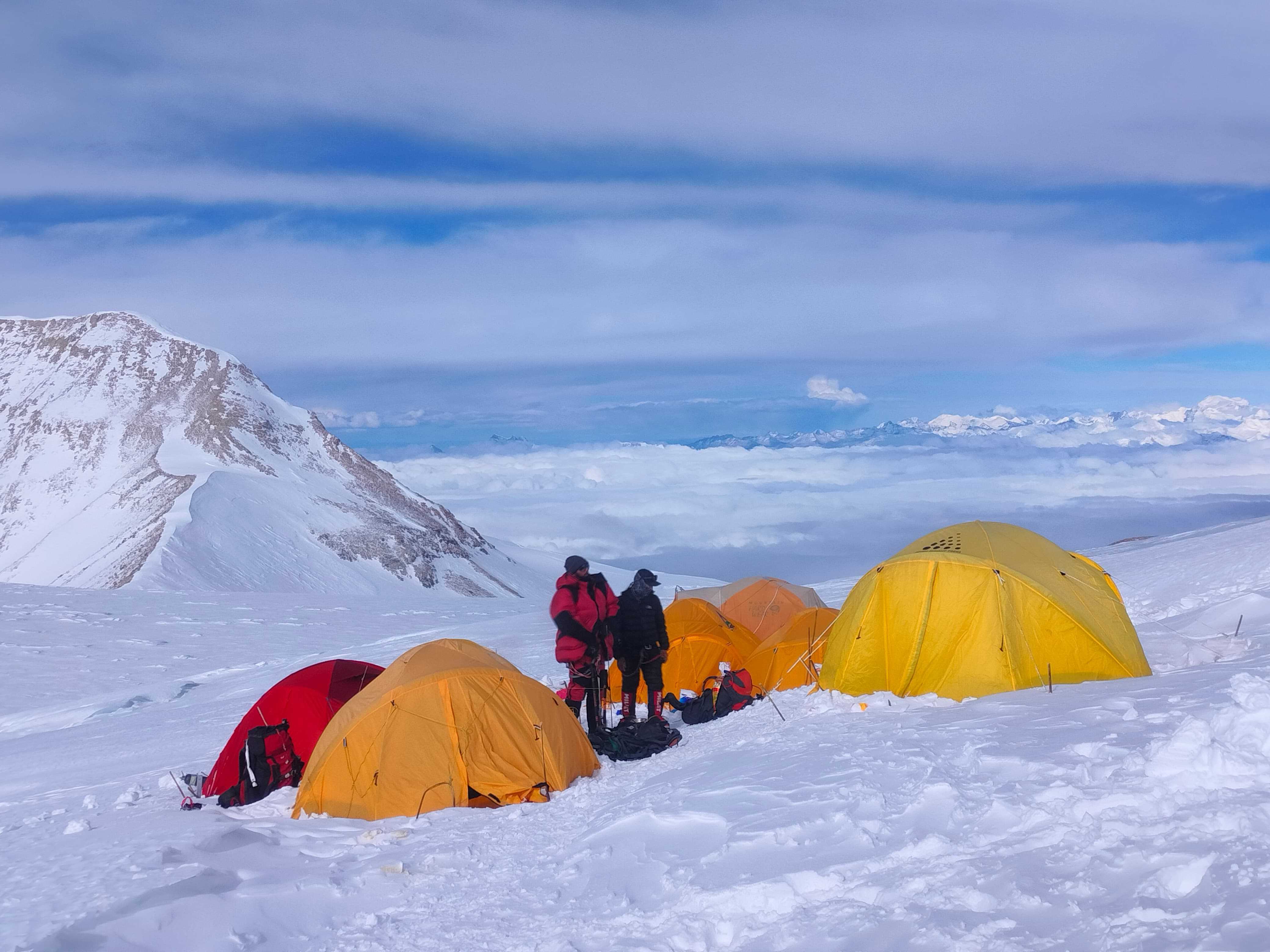
Photo: Courtesy
Today, his medical training remains an important part of his mountaineering life. Whether dealing with emergencies in remote environments or making critical decisions under pressure, his professional expertise often proves invaluable.
“As a physician, I can use my technical knowledge when situations become difficult,” he explains.
The profession has also changed his temperament. Even in his personal life, he says, medicine has taught him how to remain calm when faced with adversity or calamity.
Despite the growing popularity of trekking and climbing in Bangladesh, Dr Ali believes the community remains small. While interest has increased steadily over the years, the number of serious mountaineers is still limited.
“There are probably only twenty to thirty active and serious mountaineers in our community,” he estimates.
To help nurture that community, he established a mountaineering club that brings together people who share similar ambitions and values.
His story is about more than climbing mountains.
It is about demonstrating that extraordinary ambitions can emerge from ordinary beginnings. It is about showing that a physician from a middle-class Bangladeshi family can stand atop some of the world’s most difficult mountains. And it is about proving that passion, when pursued with discipline and conviction, can elevate a person far beyond the limits others imagine for them.
As he sees mountaineering as a lifestyle rather than a sport, his pursuit of challenges has gone beyond conventional boundaries. It is important to recognise that mountaineering is one of the riskiest forms of athletic endeavour. Yet, when pursued with determination and perseverance, it not only enables individuals to overcome immense challenges but also helps make the path more visible and accessible for those who follow.
Perhaps that is the most significant aspect of Dr Ali’s journey.