Why young Bangladeshis may be losing their hearing without realising it
From traffic horns to wedding speakers and endless earphone use, hearing loss is no longer just an old-age problem. Experts warn that the damage starts much earlier, and unlike your fitness, your hearing cannot be rebuilt.
Why young Bangladeshis may be losing their hearing without realising it
From traffic horns to wedding speakers and endless earphone use, hearing loss is no longer just an old-age problem. Experts warn that the damage starts much earlier, and unlike your fitness, your hearing cannot be rebuilt.
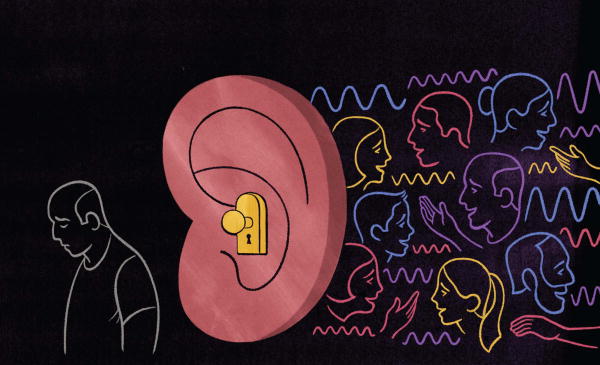
For many Bangladeshis, loud noise is simply part of daily life.
The blaring horns on Dhaka’s streets, construction work outside apartment buildings, political rallies, wedding receptions with towering sound systems, cricket celebrations, and hours spent with earphones during commutes have become so normal that few stop to consider what they are doing to their ears.
But audiologists say these everyday sounds may be quietly stealing something that cannot be recovered.
Unlike muscles that grow stronger with exercise or skin that heals after a cut, the delicate sensory cells responsible for hearing never regenerate. Once they are damaged, the loss is permanent.
Hearing loss is becoming a young person’s problem
Hearing problems have traditionally been associated with ageing. Today, however, doctors across the world are seeing more teenagers and young adults with early signs of noise-induced hearing loss.
The biggest reason is prolonged exposure to loud sound through headphones and noisy environments.
The World Health Organization estimates that more than one billion young people worldwide are at risk of hearing damage because of unsafe listening habits. Bangladesh is unlikely to be an exception.
Whether it is binge-listening to music during long bus rides, scrolling through short videos at maximum volume, or attending concerts and festivals where speakers are placed metres away from the audience, today’s young generation is exposing their ears to far more noise than previous generations.
Your ears are more delicate than you think
Inside the inner ear sits a tiny spiral-shaped organ called the cochlea. It contains thousands of microscopic hair cells that convert sound vibrations into signals for the brain.
Think of them as blades of grass.
Gentle sounds make them sway naturally. But repeated exposure to loud noise bends and eventually destroys them. Unlike the hair on your head, these cells never grow back.
The frightening part is that damage happens gradually. Most people do not notice anything until years later, when conversations become harder to follow or ringing in the ears becomes a regular occurrence.
Bangladesh’s noisy reality
Noise pollution has become a growing public health concern in Bangladesh, particularly in cities.
Daily exposure comes from:
- Constant traffic congestion and vehicle horns
- Construction projects
- Wedding and community events with powerful sound systems
- Religious and political gatherings
- Factories and industrial areas
- Personal listening devices used at high volumes
For students and young professionals who spend hours commuting, earphones often become a constant companion. Turning the volume up to drown out surrounding noise only increases the risk.
A simple rule is worth remembering: if someone standing next to you has to raise their voice for you to hear them while wearing headphones, your volume is probably too high.
The hidden effects go beyond hearing
Hearing loss is about much more than asking people to repeat themselves.
Untreated hearing problems can lead to social withdrawal, communication difficulties, reduced productivity and feelings of isolation. Research has also linked age-related hearing loss with cognitive decline, although scientists are still studying exactly how the two are connected.
In younger people, hearing problems can affect learning, workplace performance and mental wellbeing long before they become severe enough to require hearing aids.
How to protect your ears
The good news is that most noise-induced hearing loss is preventable.
A few simple habits can make a significant difference:
- Keep headphone volume below around 60% whenever possible.
- Take regular listening breaks during long study or work sessions.
- Wear ear protection at concerts, sporting events or other loud gatherings.
- Avoid standing directly beside large speakers.
- Limit unnecessary exposure to loud environments.
- If you work around machinery or construction sites, use proper hearing protection.
Don’t ignore ringing in your ears
Many people experience ringing, buzzing or humming in their ears after attending a loud event.
This condition, known as tinnitus, is often an early warning sign that the ears have been exposed to excessive noise.
If the ringing lasts beyond a short period, or if you struggle to hear conversations—particularly in crowded places—it is worth consulting an ENT specialist or audiologist. Early assessment cannot reverse hearing loss, but it can prevent further damage and improve long-term outcomes.
Your future self will thank you
Young people often think hearing loss is a problem for later in life.
In reality, the choices made today—whether blasting music through earbuds, standing beside festival speakers or ignoring persistent ringing after a celebration—can shape how well they hear decades from now.
Your hearing is one of the few things your body cannot repair. Protecting it doesn’t require expensive technology or complicated routines—just a little awareness before the volume goes up.