How to exercise safely in hot weather as temperatures rise
How to exercise safely in hot weather as temperatures rise
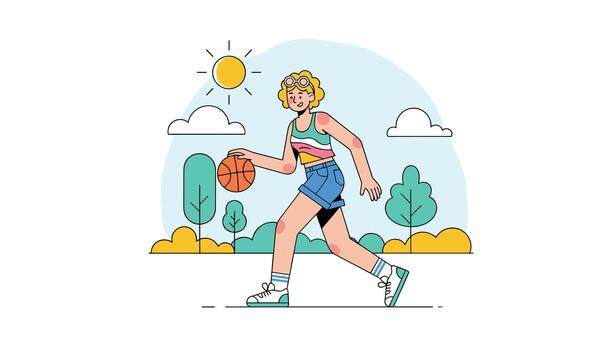
As temperatures continue to rise worldwide, staying physically active is becoming more challenging – and potentially more dangerous. Scientists warn that extreme heat could discourage millions of people from exercising, increasing the risk of long-term health problems.
The concern has even reached the world’s biggest sporting events. During the 2026 FIFA World Cup in the United States, Canada and Mexico, players were given additional hydration breaks to help them cope with soaring temperatures.
Why exercising in the heat is harder
When you exercise, your muscles generate heat. To cool down, your body sweats and redirects blood towards the skin. While this helps regulate body temperature, it also means less oxygen-rich blood reaches your muscles, causing fatigue to set in more quickly.
Researchers say hot weather also forces the heart to work harder, increasing the risk of heat-related illnesses such as heat exhaustion and, in severe cases, heatstroke.
A recent study by researchers at the Pontifical Catholic University of Argentina warns that climate change could reduce physical activity worldwide, potentially contributing to between 470,000 and 700,000 premature deaths each year by 2050 if people become less active because of extreme heat.
How to stay active safely
Health experts recommend adapting your routine rather than avoiding exercise altogether.
1. Exercise during cooler hours
The safest option is to work out early in the morning or later in the evening when temperatures are lower. Choosing shaded routes instead of exercising in direct sunlight can also make a significant difference.
2. Pay attention to humidity
High humidity makes it harder for sweat to evaporate, reducing your body’s ability to cool itself. Even if the temperature seems manageable, humid conditions can increase the risk of overheating.
3. Reduce the intensity
On particularly hot days, shorten your workout, slow your pace and take regular breaks. Light indoor exercise may be a safer alternative when outdoor temperatures become extreme.
4. Cool your body effectively
Instead of relying solely on ice packs, experts recommend pouring cool water over your body or immersing your hands and forearms in cold water. Using a cold, damp towel on your arms, legs and torso can also help lower body temperature.
5. Cool down before exercising
Drinking ice slurries or cold drinks before heading outdoors can lower your core body temperature, giving your body more time before the heat becomes dangerous.
6. Allow your body to adapt
Regular exposure to warm conditions over one to two weeks helps the body become more efficient at coping with heat. This process, known as heat acclimatisation, improves sweating, increases blood plasma volume and lowers resting body temperature.
However, these adaptations gradually disappear if you stop exercising in hot conditions for an extended period.
Know when to stop
Experts stress that no workout is worth risking your health.
Symptoms such as dizziness, nausea, excessive fatigue, heart palpitations or confusion may indicate heat-related illness. If any of these occur, stop exercising immediately, move to a cooler place and begin cooling your body.
As heatwaves become more frequent due to climate change, researchers say adapting when, where and how we exercise will be essential for maintaining long-term health.