Eight practical ways to cut down on ultra-processed foods
Between university deadlines, part-time jobs and endless scrolling through food delivery apps, convenience often dictates what ends up on our plates. Instant noodles, packaged snacks, sugary drinks and frozen meals have become staples for many young people. While these ultra-processed foods (UPFs) offer speed and convenience, health experts increasingly warn that relying on them too heavily may come at a cost.
Eight practical ways to cut down on ultra-processed foods
Between university deadlines, part-time jobs and endless scrolling through food delivery apps, convenience often dictates what ends up on our plates. Instant noodles, packaged snacks, sugary drinks and frozen meals have become staples for many young people. While these ultra-processed foods (UPFs) offer speed and convenience, health experts increasingly warn that relying on them too heavily may come at a cost.
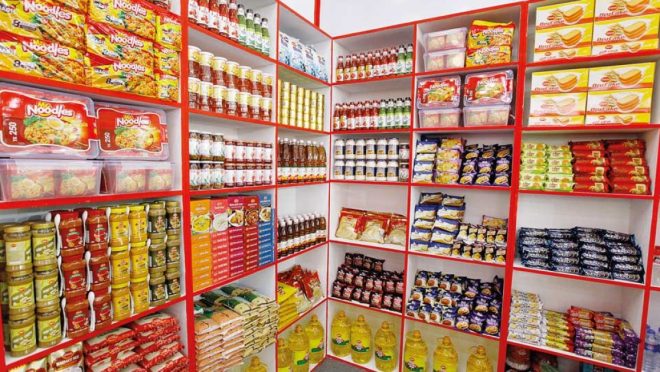
Research has linked high consumption of ultra-processed foods to various health concerns, including obesity, heart disease and other chronic conditions. Yet reducing them is easier said than done. In a world designed around convenience, completely eliminating UPFs from daily life can feel unrealistic.
The good news is that experts say meaningful changes do not require a complete dietary overhaul. Instead, small and consistent habits can gradually shift eating patterns towards healthier choices. Here are eight practical strategies that can help.
1. Add more plant-based foods
One of the simplest ways to reduce ultra-processed foods is not by removing them immediately, but by adding more whole foods. Fruits, vegetables, nuts, seeds and other minimally processed plant-based foods can naturally replace packaged snacks and highly processed meals.
Rather than focusing on restrictions, experts encourage making healthier options more visible and accessible. Keeping fruit on a desk, carrying nuts between classes or preparing simple vegetable snacks can make nutritious choices easier during busy days.
2. Choose better ingredients when possible
Quality ingredients often make healthy eating more enjoyable. Seasonal fruits and vegetables tend to offer better flavour and freshness, making them more appealing than heavily processed alternatives.
While not everyone has access to farmers’ markets or premium produce, frozen and canned fruits and vegetables can also provide affordable and nutritious options. The key is to focus on what is accessible and sustainable within one’s budget.
3. Understand what you are eating
Many consumers struggle to identify ultra-processed foods because the category extends beyond obvious fast food and snacks.
Taking time to read ingredient labels and understand how foods are produced can help individuals make more informed decisions. Experts also suggest paying attention to how different foods affect energy levels, digestion and overall wellbeing. Understanding the connection between food and physical health can encourage healthier choices over time.
4. Learn basic cooking skills
Cooking remains one of the most effective ways to reduce dependence on ultra-processed foods. However, many young adults feel intimidated in the kitchen or believe cooking requires advanced skills.
In reality, mastering a few basic techniques can make a significant difference. Learning how to sauté vegetables, cook rice properly, prepare simple proteins or make quick one-pan meals can dramatically expand healthy meal options.
The goal is not culinary perfection but confidence and consistency.
5. Do not be afraid of baking
For many people, snacks and desserts are among the hardest ultra-processed foods to replace. Fortunately, baking offers an alternative.
Homemade cookies, muffins or simple desserts often contain fewer additives than packaged products and can be tailored to personal tastes. Experts emphasise that mistakes are part of the learning process. Developing baking skills can make reducing processed snacks feel less like deprivation and more like an upgrade.
6. Make healthy eating convenient
Ultra-processed foods thrive because they are easy. To compete with that convenience, healthy habits must become equally practical.
Meal preparation can help reduce reliance on quick packaged options. Keeping staple ingredients stocked, maintaining a shopping list and preparing larger portions that generate leftovers can save both time and effort during busy weeks.
Having ready-to-eat healthy options available often determines whether people reach for a home-cooked meal or a processed alternative.
7. Prioritise shared mealtimes
Food is not only about nutrition; it is also about connection.
Research suggests that regular shared meals can positively influence mental wellbeing, social development and family relationships. Whether it is dinner with family members, lunch with friends or a quick meal between classes, eating together creates opportunities for meaningful interaction.
Importantly, experts note that these moments do not need to be elaborate. The benefits come from the connection itself rather than the setting.
8. Aim for progress, not perfection
Perhaps the most important lesson is that reducing ultra-processed foods is a long-term process.
Life gets busy. Deadlines pile up. Sometimes a frozen meal or packaged snack is simply the most practical option available. Experts emphasise that occasional reliance on processed foods should not be viewed as failure.
Consistency matters far more than perfection. Small improvements repeated over months and years often produce more lasting results than short-lived attempts at drastic change.
Cutting down on ultra-processed foods is not about eliminating every packaged item from your life. Instead, it is about gradually building habits that make healthier choices easier and more enjoyable.
For students and young professionals, the challenge lies in balancing nutrition with the realities of modern life. By focusing on simple changes—eating more plants, learning basic cooking skills, planning meals and being realistic about setbacks—it is possible to reduce dependence on ultra-processed foods without sacrificing convenience altogether.
In the end, healthy eating is less about achieving perfection and more about making better choices, one meal at a time.