The last page I didn't know was the last page
I found Keigo Higashino the way most people find the thing that will later explain them to themselves. By accident, half-tired, looking for something to survive a long night with.
The last page I didn't know was the last page
I found Keigo Higashino the way most people find the thing that will later explain them to themselves. By accident, half-tired, looking for something to survive a long night with.
It was The Devotion of Suspect X. I did not know then that I was picking up one of the most quietly devastating books I would ever read. I just wanted a mystery. I did not expect to finish it and sit there for a while, not moving, doing the maths on what love is willing to cost a person.
That is the first thing you learn reading Higashino. He is not really writing about murder. He is writing about what people do to protect the ones they love and how far that protection can travel before it stops being love and becomes something else entirely. The crime is never the point. The crime is the door.
I read it in university, during a stretch where I was not doing particularly well. I did not go looking for comfort in a thriller. Thrillers are not supposed to comfort you. But there was something in the exactness of his writing, the patience of it, that felt like being handed a floor to stand on. Everything in a Higashino novel earns its place. Nothing is there by accident. When you are a person whose life does not feel like it is adding up to anything in particular, there is something almost holy about a writer who makes sure every single detail adds up.
I moved through his books the way you move through a city you are slowly falling for. Malice next. Then Salvation of a Saint. Then Newcomer, which is not really a whodunnit at all; it is a walk through Nihonbashi disguised as one, and I remember thinking that a writer this in control of pace was not showing off; he had simply stopped needing to.
What got me, and still gets me, is the restraint. Higashino never announces the emotional weight of a scene. He just places the facts down, one after another, and lets them accumulate until you feel the weight yourself, uninvited, sometimes three pages after the moment has already passed. I recognised something in that. It is close to how I try to write. Not tell someone what to feel. Just give them everything that’s true and let them arrive at the feeling on their own time.
There is a particular kind of grief in his books too, one I did not expect from crime fiction. Grief that has already happened before the story starts. Grief the characters are managing, badly or well, while the plot moves around them. Suspect X is built entirely on that. So is Journey Under the Midnight Sun, which I read more slowly than anything else he has written because I did not want it to end and also because it kept asking me to sit with how long a person can carry a debt that was never theirs to carry in the first place.
Somewhere in reading him across those years, I stopped thinking of thrillers as an escape and started thinking of them as an argument. An argument about what people owe each other. About what silence protects and what it destroys. About how the most devastating violence is often the quiet kind, the kind that looks, from the outside, like sacrifice.
I do not know what it says about me that a Japanese crime writer taught me more about restraint, about withholding, and everything a sentence chooses not to say than most of what I studied formally. Maybe nothing. Maybe it says exactly what it looks like it says.
I still go back to him when I need to remember what disciplined writing looks like. Not loud. Not performing intelligence. Just laying the facts down, one true thing after another, until the reader arrives somewhere they did not see coming and realises, only afterwards, that they were led there on purpose the entire time.
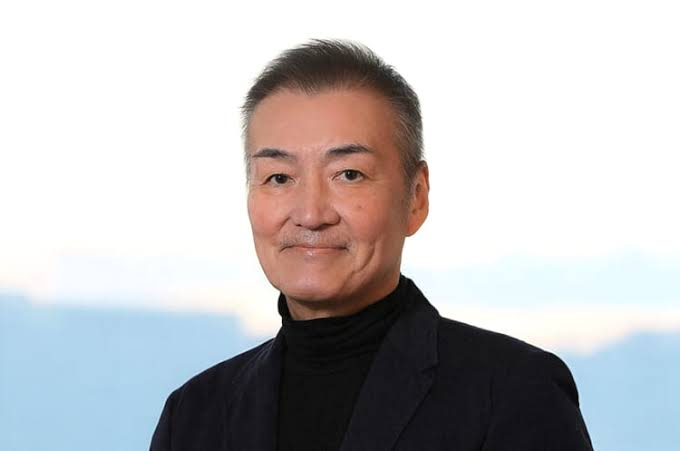
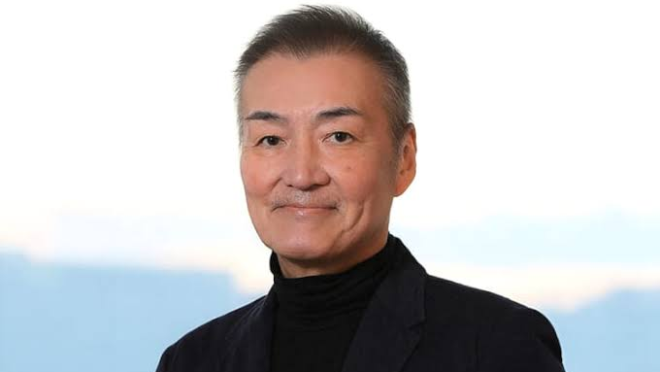
He died on the 23rd of July. Sixty-eight, colorectal cancer, and a funeral kept private the way he kept himself private for four decades of readers who never once saw his face on a bookshelf the way they saw his name. He wrote 106 books. I have read maybe a dozen of them, and each one taught me something about withholding that I am still learning to practise. I do not think grief is the right word for what I felt. It was closer to the feeling at the end of one of his novels, the one where every detail you were handed quietly, without ceremony, suddenly clicks into place, and you understand you were being told the whole truth the entire time; you just did not know it yet.
That is the whole trick. He never once let me see him do it.