Born with a risk: Understanding Bangladesh’s thalassemia crisis
Growing up, most people have probably heard about anemia from somewhere, whether it be from documentaries, TV shows, school lessons, real-life patients, etc. What many people may not have probably heard about is another blood disorder called thalassaemia, which is a type of anemia, but less discussed publicly.
Born with a risk: Understanding Bangladesh’s thalassemia crisis
Growing up, most people have probably heard about anemia from somewhere, whether it be from documentaries, TV shows, school lessons, real-life patients, etc. What many people may not have probably heard about is another blood disorder called thalassaemia, which is a type of anemia, but less discussed publicly.
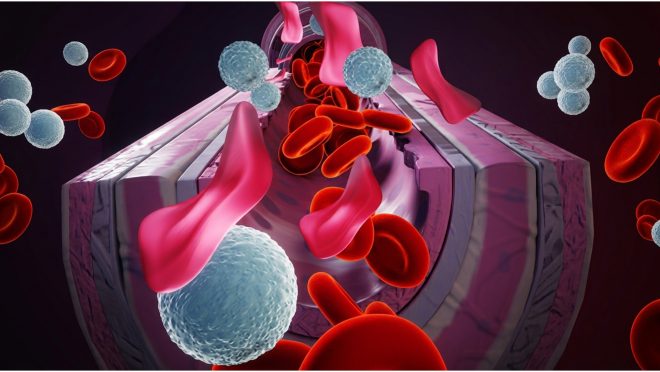
While anaemia is commonly associated with iron deficiency, poor nutrition or blood loss, thalassaemia is a specific inherited (passed down from parents to children) blood disorder that reduces haemoglobin production and often leads to anaemia.
What Thalassaemia Is
Simply put, thalassaemia is a genetic blood disorder that is passed down through faulty genes. It reduces the body’s ability to produce healthy haemoglobin, the protein in red blood cells responsible for carrying oxygen throughout the body. When enough haemoglobin is not made, there are fewer healthy red blood cells in the bloodstream, and as a result, less oxygen reaches the organs and tissues, leading to anaemia and other health complications.
Another important terminology to remember is the term ‘thalassaemia carrier’ (also referred to as thalassaemia trait or minor). A thalassaemia carrier is someone who carries one of the faulty genes that cause the disorder. According to NHS England, being a carrier does not necessarily mean the person has thalassaemia or will develop severe symptoms. However, carriers may sometimes experience mild anemia because their red blood cells can be smaller than usual.
What is the problem with thalassaemia carriers?
If both the parents are thalassaemia carriers, there is a 25% chance that the baby could inherit thalassaemia disease, a 50% chance that the baby will be a carrier, and a 25% chance of the baby not having thalassaemia.
Thalassaemia in Bangladesh
Back in 2024, the Bangladesh Bureau of Statistics (BBS) published a report on thalassaemia, named “National Thalassaemia Survey-2024”, where it was revealed that 11.4% of the country’s total population are thalassaemia carriers.
The report also highlighted major regional differences across the country. Rangpur division had the highest number, with 27.7% of its population being identified as thalassaemia carriers. This was followed by Rajshahi (11.3%), Chattogram (11.2%), Mymensingh (9.8%), Dhaka and Khulna (8.6%), Barishal (7.3%) and Sylhet with 4.8% carriers.
Furthermore, a study published in PubMed in 2025 estimates that approximately 70,000 patients are suffering from different variants of thalassaemia in Bangladesh, while nearly 10,000 children with thalassaemia are being added each year.
Impact on patients
The consequences of thalassaemia often depend on the type that was inherited. According to the Centers for Disease Control and Prevention (CDC), beta-thalassaemia causes fatigue, bone weakening, trouble with performing usual actual activities, memory, concentration, etc. in both children and adults.
However, thalassaemia is not simply just a medical condition but rather a lifelong struggle. This is because, depending on the severity of the disorder, patients may require regular blood transfusions once every few weeks, months, or even throughout their entire lives in order to live.
Blood crisis and healthcare challenges
The treatment for thalassaemia largely depends on blood transfusion. Two-thirds (67%) of thalassaemia patients in Bangladesh are transfusion-dependent, meaning they may require blood transfusion once a month, once in two months, once a year, etc. However, this itself leads to another major problem, the structural and social barriers related to blood transfusion.
There are still a lot of misconceptions and misinformed opinions when it comes to blood transfusion. As a result, it generates fear and panic which discourages people from voluntarily donating blood. Moreover, Bangladesh has only 7 blood donors per 1,000 people, whereas the World Health Organisation (WHO) recommends a range of 10-20 people per 1,000.
Consequently, only about 30-35% of the country’s blood supply comes from voluntary donors, while the remaining 65-70% is sourced through friends, families, or informal channels which can sometimes be dangerous.
Healthcare accessibility is another major issue. Most thalassaemia-related services remain concentrated within Dhaka, which makes the treatment more costly and difficult for patients from rural areas or financially disadvantaged backgrounds. In addition, many hospitals, blood banks and clinics lack advanced facilities and specialised equipment necessary for proper storage, safe transfusions and long-term treatment.
Importance of screening and prevention
Despite the growing number of cases in Bangladesh, many people are not aware of thalassaemia. This lack of awareness often prevents people from understanding the risks associated with inherited blood disorders, especially before marriage or parenthood. Therefore, the role of early screening and awareness programmes is vital in reducing the burden of thalassaemia.
In scenarios where both the parents are thalassaemia carriers, early screening can help them to understand the risks of passing this disease to their children, which would ultimately reduce the number of cases associated with severe thalassaemia. For instance, in countries such as Cyprus, Greece, and Italy, they were able to reduce the birth rate of children with thalassaemia through prevention strategies such as premarital blood tests, carrier detection programmes, genetic counselling, and prenatal screening.
Bangladesh can also take meaningful steps in this direction. High school and university-based awareness programmes could play an important role in educating young people about thalassaemia.
Alongside awareness initiatives, the government must ensure affordable and accessible screening and counselling services throughout the country. For instance, a centralised digital blood donation database could help patients and families gain access to verified and safe blood donors more efficiently.
Ultimately, in order to reduce the impact of thalassaemia in Bangladesh, the cooperation of both strong government support and active public engagement is necessary. Without widespread awareness, early screening, improved healthcare access, and a stronger voluntary blood donation culture, thalassaemia will continue to remain a major public health challenge affecting thousands of families across the country.