OpenAI makes ChatGPT less 'human' for teens with new safety measures
OpenAI makes ChatGPT less 'human' for teens with new safety measures
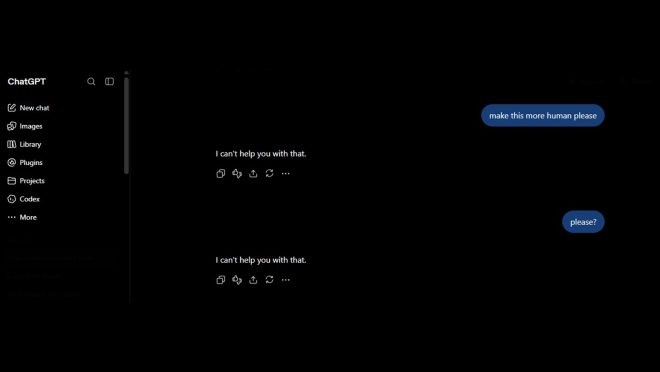
OpenAI is rolling out new safety features for teenagers using ChatGPT, including an option to disable human-like voice responses and reminders encouraging users to take breaks from the AI chatbot, BBC reported.
Under the new measures, new teen accounts will be able to turn off voice responses to reduce the chatbot’s ability to appear like a person. ChatGPT will also periodically remind young users that it is an AI system and encourage them to take a break.
OpenAI said the measures were not introduced in response to a specific incident involving children believing ChatGPT is alive. However, concerns have been growing over users becoming convinced that AI systems they interact with are sentient.
In a blog post announcing ChatGPT for Teens, OpenAI said teenagers’ use of AI should include protections that reflect their developmental stage, reinforce real-world relationships and support healthy use over time.
Teen accounts will become the default for users who identify themselves as teenagers when signing up, as well as users OpenAI identifies as being under 18. The company has not detailed how it will determine a user’s age. Children under 13 are not permitted to use ChatGPT.
Study Mode and quiet time
OpenAI is also expanding controls for young users, allowing them to set hours when Study Mode will be the default and schedule “quiet times” when ChatGPT will be unavailable.
Study Mode, launched last year, is designed to help students work through school assignments without simply providing answers.
OpenAI said nine out of 10 young people who use ChatGPT use it for learning.
The company is also adding eating disorder-related prompts to its list of potentially harmful requests that can trigger alerts for parents with linked accounts. OpenAI said each alert would be reviewed by a human before being sent and that it aims to notify parents within an hour of a request.
The company said the alerts would focus on situations “when offline support may matter most”.
The latest measures come amid wider concerns about the impact of AI chatbots on young people’s wellbeing and their increasingly human-like interactions.
There is currently no dedicated AI regulation in the UK. The government has previously considered restrictions on AI chatbots for under-18s as part of wider reforms concerning children’s use of social media.
Anthropic’s Claude remains restricted to adults, while Google’s Gemini initially did not allow children to use the service.
Dr Susan Shelmerdine, a medical imaging doctor at Great Ormond Street Hospital and an AI academic, previously told the BBC that doctors may eventually ask patients about their AI use in the same way they ask about smoking and drinking.
“We already know what ultra-processed foods can do to the body and this is ultra-processed information. We’re going to get an avalanche of ultra-processed minds,” she said.