Why 'ugly shoes' are having a moment in 2026
Why 'ugly shoes' are having a moment in 2026
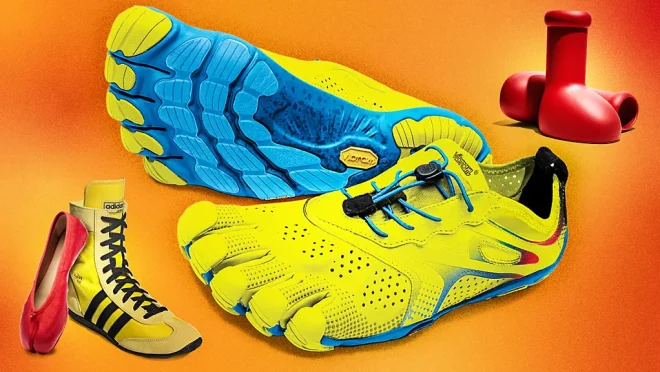
Fashion’s idea of a good-looking shoe is changing. In 2026, some of the trendiest footwear is flat, chunky, wide, oddly shaped — and sometimes deliberately ugly.
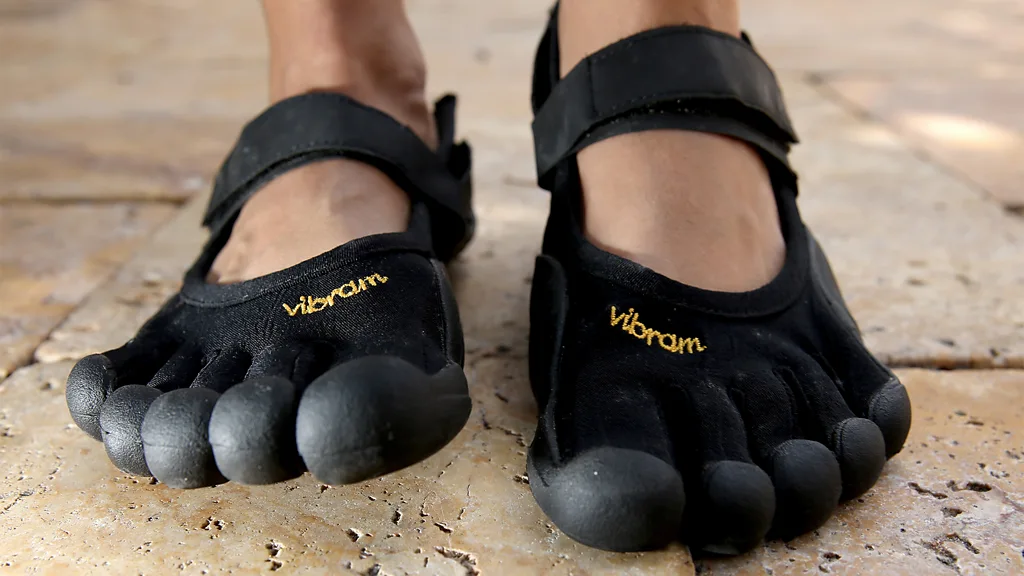
From five-toed sneakers and clogs to hybrid shoes that blur the line between trainers, loafers and ballet flats, unconventional footwear has become a growing part of fashion.
The appeal is not always about looking good. For many fashion-conscious consumers, these shoes are about comfort, individuality and breaking away from carefully polished trends.
The rise of the weird shoe
Crocs, five-toed shoes and frog-shaped Wellington boots are among the styles that have turned unconventional footwear into a fashion statement.
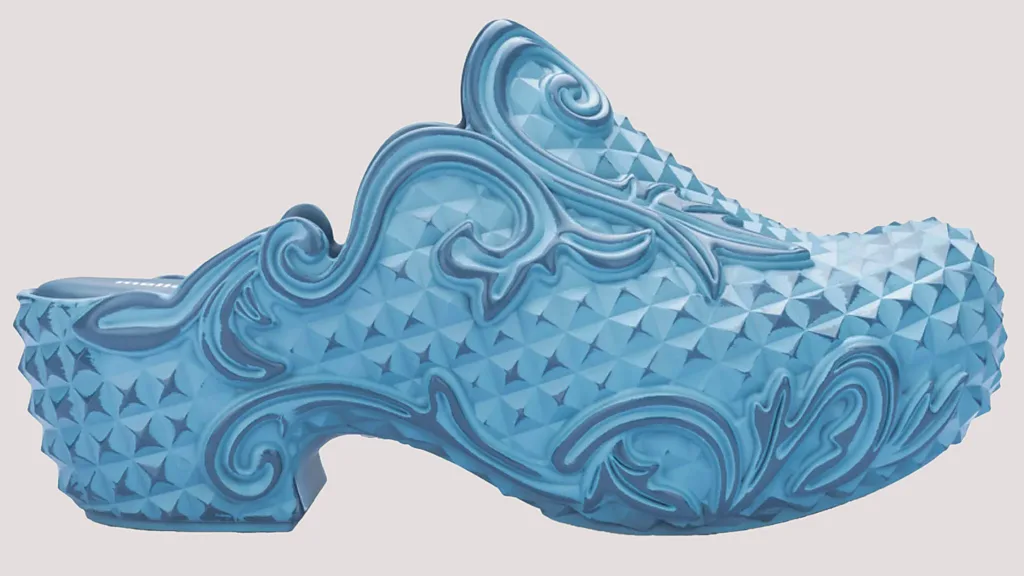
Clogs have also moved beyond their practical origins. Designers have transformed the traditional shoe into everything from avant-garde fashion pieces to brightly coloured gardening-inspired styles.
The trend has also produced what fashion observers call the “Frankenshoe” — footwear created by combining elements of different shoe styles.
One example is the “sneakerina”, a hybrid that combines the shape of a sneaker with the delicate appearance of a ballet flat.
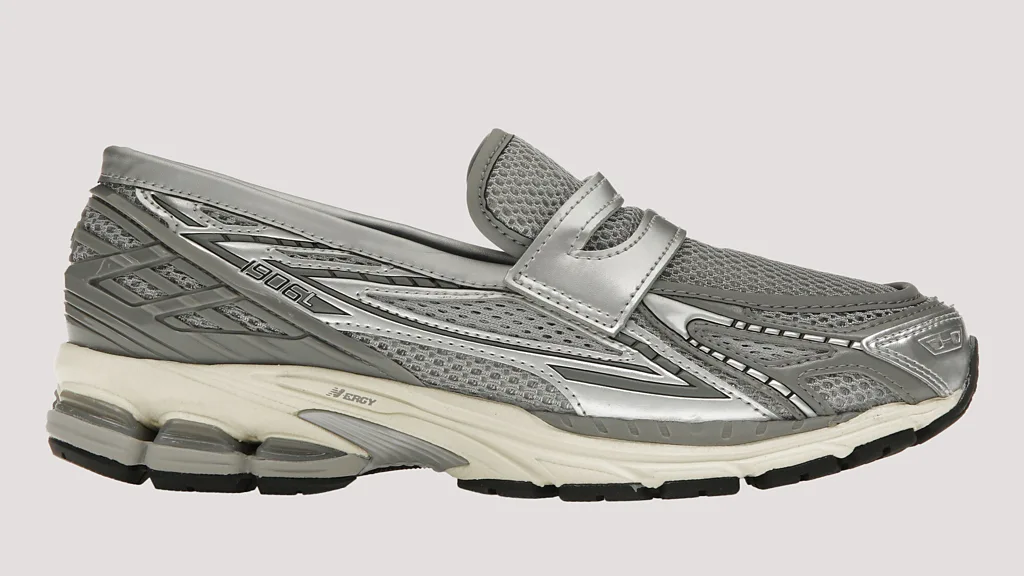
Then there is the “snoafer”, a combination of sneaker and loafer that has been described as the footwear equivalent of a spork.
Other hybrids include sock-boots, clog-trainers and wedge-trainers.
When strange becomes fashionable
Split-toe shoes have also become increasingly visible in fashion.
Maison Margiela’s Tabi shoes, first introduced in 1988 and inspired by traditional Japanese split-toe socks, helped bring the cloven-toe design into the fashion mainstream.
The style has since spread beyond luxury fashion, with a growing number of trainer brands offering their own versions.
Perhaps the most extreme example is the MSCHF Big Red Boot, which became a street-style phenomenon after its launch in 2023.
Some of these shoes are designed as much to attract attention as to be practical. Fashion writer J’Nae Phillips says unusual footwear can provoke reactions and become conversational pieces or visual memes.
But the trend is not limited to novelty designs. Some unconventional shoes are proving popular with consumers because they combine distinctive looks with everyday comfort.
Sales data from resale platform StockX show that demand for hybrid footwear is growing. Mary Jane-inspired sneakers, for example, recorded a year-on-year sales increase of more than 350% in the first quarter of 2026.
The New Balance 1906L, one of the most popular snoafer styles, has recorded more than 13,000 sales on StockX since its launch.
Fashion’s anti-perfection mood
So why are people embracing shoes that once might have been considered unfashionable?
One explanation is that unusual footwear can make an otherwise carefully styled outfit feel less polished and more personal.
Phillips says deliberately awkward or unexpected shoes can signal individuality and make a person appear more self-aware and culturally informed.
There is also an element of exclusivity. Split-toe shoes, for example, have long been associated with people familiar with niche fashion labels and trends.
But as these styles become more mainstream, their ability to signal status may eventually fade.
The popularity of “ugly shoes” also coincides with a broader rejection of perfection in online culture.
The so-called “wrong-shoe theory”, which gained popularity on TikTok in 2023, encouraged people to deliberately choose footwear that looked slightly mismatched or out of place to add personality to an outfit.
Unconventional shoes take that idea even further.
At a time of highly curated Instagram feeds, algorithm-driven trends and increasingly polished AI-generated content, their awkwardness can feel refreshing.
“They” ugly shoes also carry an “anti-perfection” energy, Phillips says, allowing people to signal humour, individuality and a refusal to dress predictably.
Why hybrids are everywhere
The rise of hybrid shoes reflects a wider blurring of boundaries in fashion and culture.
The distinction between workwear and leisurewear, sportswear and luxury fashion, and masculine and feminine styles has become less rigid.
Hybrid footwear fits naturally into this shift.
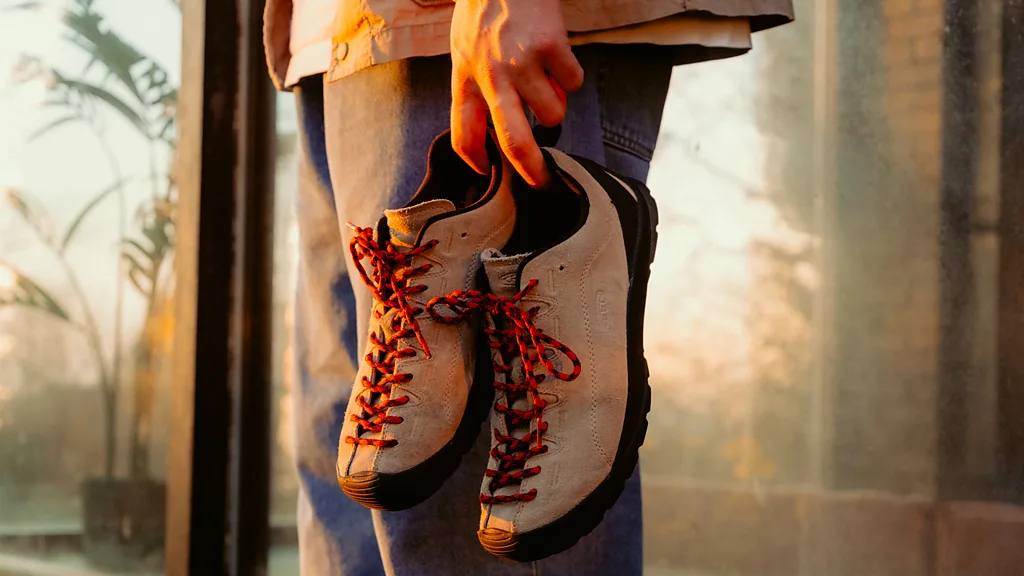
Shoes originally designed for hiking, recovery, barefoot movement or practical outdoor use are increasingly being embraced because their unusual designs challenge traditional ideas of elegance.
Approach shoes are a good example. Combining the comfort of hiking footwear with the grip of climbing shoes, they have recently found a place in fashion despite their unconventional appearance.
And perhaps the simplest explanation for the trend is also the most convincing: comfort.
Many of the shoes dominating the “ugly” footwear trend are designed to be easy to wear.
As fashion boundaries continue to blur, practicality may no longer have to come at the expense of style.