Why texture is becoming the new obsession in food
Why texture is becoming the new obsession in food
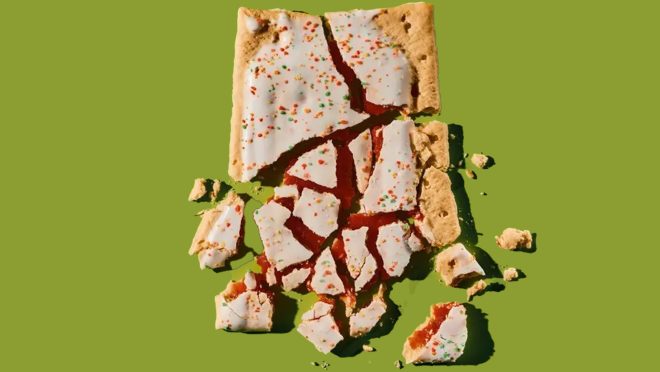
Crunchy, gooey, chewy and creamy are no longer just descriptions of food. Texture is increasingly becoming a selling point in its own right, as food and beverage companies compete to make eating feel more interesting.
Consumers may not always realise how much texture influences their cravings, but industry experts say the sensation of food in the mouth is playing a growing role in what people choose to eat and drink. Crispier fast food, frothier coffees and sweets that burst or melt are all part of the trend.
The food science term “mouthfeel” refers to the physical sensations produced while eating or drinking. Its growing importance has prompted companies to introduce products designed around unusual combinations of textures, including Starbucks’ Aerocano, an air-whipped iced espresso, PowerCrunch wafer-style protein bars and Trolli Gummi Popz, which are frozen while remaining soft and chewy.
Belgian ingredient company Puratos says texture has moved beyond being a supporting characteristic of food and is increasingly shaping how consumers judge quality and decide what to buy.
The shift is being seen around the world. Stretchy yoghurt is gaining popularity in China, Swedish confectioner Cloetta has introduced Sprinkled Foamies with a crunchy outer layer and marshmallow centre, while bakers in Paris are experimenting with pastries such as the crookie, which combines a crisp croissant with a gooey chocolate-chip cookie.
“It’s not just about flavour anymore. People are thinking about the whole experience,” Tana Davila, chief marketing officer at Dutch Bros Coffee, reports the Associated Press.
The US drive-through coffee chain allows customers to customise drinks with additions such as sweet whipped foam and juice-filled balls that burst when bitten.
A centuries-old fascination with texture
Texture has always been closely tied to the way people experience food. Patrick Kalotis, executive vice-president of texture and healthful solutions at ingredient company Ingredion, said people often describe texture when they are asked to explain how something tastes.
Someone might say a drink is fizzy or that they enjoy the creaminess of yoghurt. Although these descriptions are commonly understood as comments about taste, Kalotis says they are actually describing physical sensations.
Food cultures have experimented with texture for centuries. Japanese mochi and Turkish stretchy ice cream have long relied on distinctive consistencies, while bubble tea, invented in Taiwan in the 1980s, turned chewy tapioca pearls into a global phenomenon.
High-end European restaurants took the concept in another direction during the 1990s, using culinary foams flavoured with ingredients such as truffle oil and lobster broth.
But interest in texture has accelerated sharply in recent years, according to Jenny Zegler, principal strategist for food and drink at market research firm Mintel. The fascination extends beyond food, appearing in squishy toys and jelly-like beauty products as well.
Within the food industry, online searches for qualities such as chewy, soft, gooey and melt-in-the-mouth have been rising rapidly, Mintel data shows.
Zegler believes the popularity of the Cronut, a doughnut-shaped pastry combining a crisp fried exterior with the light, buttery interior of a croissant, helped spark wider interest in contrasting textures around a decade ago.
More recently, layered foods such as Dubai chocolate and social media videos featuring the sounds of cracking brittle or slurping noodles have pushed the trend further.
“Consumers are gaining new expectations for the experience of a product, and texture is the perfect way to deliver that,” Zegler said.
The pandemic gave texture a new appeal
The Covid-19 pandemic may also have contributed to the renewed focus on texture. Many people temporarily lost their sense of smell and taste after contracting the virus, making other aspects of eating more noticeable.
According to AP, Candy company Ferrara responded to the changing landscape in 2020 with Nerds Gummy Clusters, which combined a soft gummy centre with a crunchy coating of Nerds sweets.
The product became a hit and encouraged further experimentation in the confectionery market. Crispy freeze-dried Skittles followed, while Gummi Popz introduced chewy squares containing fizzy candy centres. Ferrara-owned Brach’s is also planning jelly beans with crunchy exteriors for next Easter.
For food companies, however, satisfying consumers’ increasingly specific texture preferences can be difficult.
McDonald’s, for example, introduced new McCrispy chicken strips in May 2025 but changed the recipe this year after customers complained that the strips were not crispy enough.
The growth of food delivery has created another challenge. Restaurants need to ensure meals maintain their intended texture during transportation, sometimes for 30 minutes or more.
Ingredion has developed potato-starch coatings designed to help chips and fries remain crisp for around half an hour and is working to extend that period to 45 minutes, Kalotis said.
Texture is also becoming important as manufacturers attempt to alter recipes to make foods healthier or cheaper without making them feel different. Ingredion, for instance, produces ingredients that help reduced-sugar yoghurt retain its creamy consistency.
What’s next for texture?
Zegler expects food companies to continue exploring texture, including developing products tailored to different groups of consumers, such as older people.
Snacks are also likely to become increasingly complex, with multiple layers and contrasting sensations packed into a single product. Ferrara’s Nerds Juicy Gummy Clusters, launched last year, added a liquid centre to the candy’s existing combination of textures.
As manufacturers experiment, Kalotis believes they should also become better at telling consumers what to expect. Mintel found that 59% of packaged foods introduced in the US this year made no claims about texture on their labels, despite growing consumer interest in novel physical sensations.
For Kalotis, that represents a missed opportunity.
“In a lot of ways, texture is one of the most powerful and yet somehow underrated parts of the food experience,” he said. “It makes a snack more satisfying.”