Smart glasses move mainstream, sparking privacy concerns
Meta says it has sold more than seven million pairs of its smart glasses, which cost a few hundred pounds and have built-in cameras
Smart glasses move mainstream, sparking privacy concerns
Meta says it has sold more than seven million pairs of its smart glasses, which cost a few hundred pounds and have built-in cameras
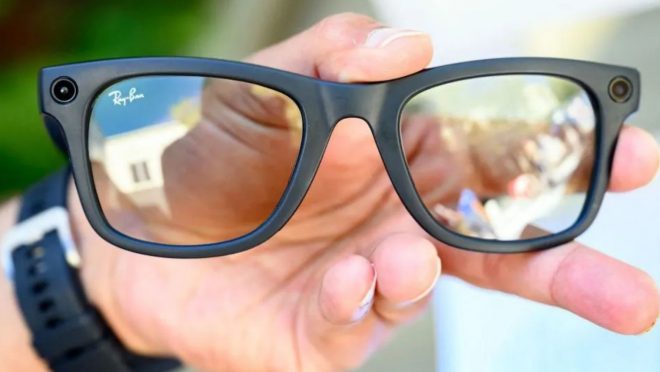
Smart glasses are moving from novelty gadgets to everyday technology, but their growing use is raising serious concerns about privacy and filming in public.
The latest wearable technology allows users to make calls, interact with artificial intelligence, take photos and record videos by simply touching the frames, without reaching for a phone, reports BBC.
The convenience has sparked concern among businesses, campaigners and members of the public who fear they could be recorded without their knowledge.
Wetherspoons, which operates almost 800 pubs across the UK, has banned customers from using smart glasses to film inside its premises. Women’s rights campaigners have also warned that the technology could be misused to harass others.
Yet social media creators continue to embrace the glasses, with videos filmed for TikTok and Instagram often relying on spontaneous encounters with strangers.
Smart glasses gain ground as market set to grow
Pearse Vallely, a 31-year-old content creator from Ballymurphy in west Belfast, uses Meta Ray-Ban glasses to record his view while walking through the streets, often greeting passers-by with rhyming phrases.
One of his most successful videos, filmed in Belfast city centre, attracted 600,000 views on TikTok.
Vallely said the positive nature of his videos helps him avoid complaints. He has never posted a video after someone asked him not to, he said, and nobody has asked him to remove one. He believes people understand that he does not intend to mock or embarrass them.
Meta says it has sold more than seven million pairs of its smart glasses, which cost a few hundred pounds and have built-in cameras. A small white light pulses while recording and a flash indicates when a photo is taken.
Meta says the recording light helps people know when the camera is operating and recently updated the glasses so the camera stops working if someone interferes with the light.
Researchers expect the wider smart-glasses market to grow sharply if products from other technology companies achieve similar success.
Vallely said people often notice he is recording because of the light and, when possible, he tells them afterwards.
In Northern Ireland, people can generally film others in public, where there is usually less expectation of privacy than in private settings. However, the law can apply when filming involves harassment, stalking or voyeurism, or takes place where someone reasonably expects privacy.
Northern Ireland also has specific offences covering intrusive acts such as upskirting and downblousing, including observing or recording a person’s genitals, buttocks, breasts or underwear without consent.
Vallely said he understands why businesses might ban smart glasses when used in a crude or abusive way, but believes the intention behind filming matters. He also warned that people will misuse new technology regardless of how it develops.
Reports of confrontations between smart-glasses users and members of the public have nevertheless fuelled the privacy debate.
In December, a woman attracted praise after breaking a man’s Meta glasses on the New York subway. In July, police in Scotland launched an investigation after complaints about a TikToker who allegedly used smart glasses to secretly record members of the public.
Wetherspoons said smart glasses could enable “surreptitious surveillance” and breach common sense. Monopoly Events, which runs Comic Con Northern Ireland, has also banned smart glasses at its events over concerns about secret recording.
Some TikTok creators have used smart glasses while approaching women, asking for their phone numbers and recording their reactions to pick-up lines. Some videos have attracted thousands of views under the hashtag #howtogetagirlfriend.
Campaigners warn of harassment
Elaine Crory, a women’s sector lobbyist at the Women’s Resource and Development Agency, said smart glasses make it harder for people to know when they are being recorded, raising concerns about their misuse for offences such as upskirting.
She said people can often spot a phone or conventional camera and move away, but that is much harder with smart glasses. While social media platforms can remove reported videos and some venues have introduced restrictions, Crory said legislation has struggled to keep pace with the technology.
The Department of Justice said smart glasses do not fall within a specific area of its responsibility, but existing criminal offences can apply when behaviour crosses the criminal threshold. Northern Ireland’s current law specifically covers voyeurism, including upskirting and downblousing.
Technology offers benefits
Smart glasses also offer benefits beyond filming.
Geoff McConville, an optometrist who sells Meta glasses in Belfast, acknowledged concerns over misuse but said the technology can help people with sight and hearing difficulties.
Some patients use text-to-speech functions to read newspapers and signs with the help of artificial intelligence, which McConville said is particularly valuable for elderly people with visual impairments.
Meta has also highlighted accessibility as a major benefit, saying smart glasses can provide important technology for people with limited sight or hearing and warning that excessive restrictions could limit those benefits.
While Meta accepts that some places should ban filming, it argues that rules should be applied consistently.
Instagram head Adam Mosseri has also said the platform can remove content when users exploit or harass others.
The debate centres on where to draw the line.
Smart glasses can improve communication and accessibility, but also make recording people more discreet, leaving society to balance privacy with legitimate and beneficial uses.