
The final frontier: Saying goodbye to Sir Patrick Stewart
The final frontier: Saying goodbye to Sir Patrick Stewart
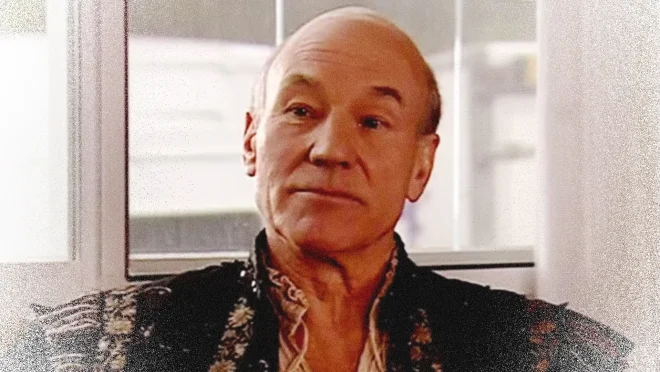
I suppose I always knew this day would come. All our heroes and favourite artists will pass, eventually. But that doesn’t make it any easier when it arrives. And somehow, I had been dreading this particular goodbye for years. We have lost so many extraordinary actors, so many familiar faces who made growing up with cinema feel like growing up with friends. Now, Sir Patrick Stewart is gone. I hate it here.
At 86, Stewart leaves behind a body of work that feels almost impossible to summarise. For millions, he will forever be Captain Jean-Luc Picard, the bald-headed, impeccably composed commander of the USS Enterprise in Star Trek: The Next Generation. He made intelligence look cool, compassion look powerful and leadership look like something that required wisdom rather than volume. Whenever he said “Make it so“, you believed that you could do anything. At least I did.
Then there was Professor Charles Xavier. In the X-Men films, Stewart gave us a different kind of authority: gentler, more paternal, but carrying the weight of someone who had spent his entire life trying to make a cruel world a little more accepting. His chemistry with Ian McKellen’s Magneto was extraordinary. Two old friends playing ideological enemies, arguing about humanity while somehow making us understand both sides. Their scenes together were often the emotional backbone of those films.
And then came Logan. Good lord, Logan. Stewart’s final major outing as Xavier was heartbreaking in ways superhero cinema rarely manages. Frail, confused, occasionally frightening and painfully human, he reminded us that even our heroes grow old. That performance deserved every bit of recognition it received.
But reducing Stewart to two iconic franchises would be an injustice. He was Gurney Halleck in David Lynch’s wonderfully strange Dune, a chillingly convincing neo-Nazi leader in Green Room, and a commanding presence in films such as Excalibur and Lifeforce. He could move from Shakespeare to science fiction, from classical tragedy to absurdist comedy, without ever feeling out of place. His voice alone could make a documentary about drying paint sound like an event worth attending.
And perhaps that is what made him so special. Stewart was not simply a talented actor. He was a proper “actor’s actor”, spending years with the Royal Shakespeare Company before Hollywood discovered what theatre audiences already knew. He carried that training into everything, giving even the most fantastical characters a deeply human centre.
Off-screen, there was something equally endearing about him. The Yorkshireman who never quite lost his bluntness, his warmth or his wonderfully mischievous sense of humour. His friendship with Ian McKellen was particularly lovely to watch. Their affection for each other felt genuine, uncomplicated and increasingly rare in an industry that often makes everything look manufactured.
I think that’s what hurts most about losing people like Stewart. It isn’t just the characters we won’t see again. It’s the feeling that a familiar part of our lives has quietly disappeared. The next time I revisit Star Trek, watch X-Men or stumble upon some obscure Stewart performance at two in the morning, there will be a little sadness attached to it.
We keep losing the people who made cinema feel magical. And every time, the world seems a little less interesting.
Sir Patrick, thank you for the adventures, the wisdom, the laughter and the countless hours of entertainment. You made strange new worlds feel like home.
Rest easy, Captain.
The final frontier can wait.


