Is it gas or a heart problem? When chest discomfort should not be ignored
Is it gas or a heart problem? When chest discomfort should not be ignored
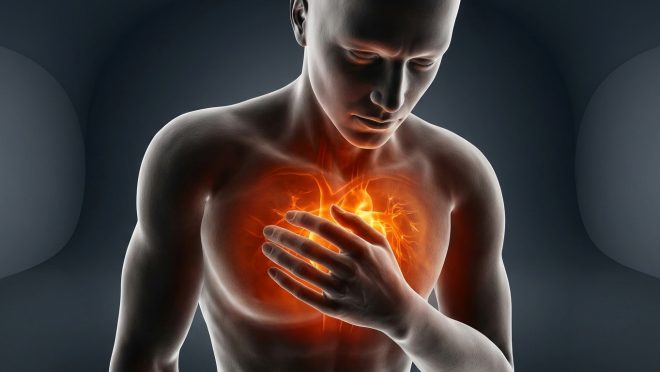
Chest discomfort after a meal is easy to blame on gas, acidity or indigestion. But doctors warn that some heart-related symptoms can feel surprisingly similar — and assuming it is “just gas” could delay urgent treatment.
Cardiologist Dr Sunil Kumar Mandal said reduced blood flow to the heart does not always cause the classic crushing chest pain people expect. It can instead feel like pressure, heaviness, burning, tightness or unusual discomfort in the centre of the chest.
Chest discomfort becomes more concerning when it lasts for several minutes, keeps returning or occurs during physical activity or emotional stress. Pain spreading to the arms, upper back, neck or jaw is another warning sign.
Other symptoms to watch for include shortness of breath, cold sweating, nausea, vomiting, dizziness, unusual weakness or a feeling that something is seriously wrong.
Heart attacks also do not always look the same for everyone. Women, older adults and people with diabetes may experience less obvious symptoms, such as unexplained breathlessness, extreme fatigue, nausea or pain in the upper abdomen, back or jaw.
So, can you tell gas from heart pain at home? Not reliably.
Acid reflux is more commonly associated with a burning sensation after meals or while lying down, sometimes accompanied by a sour taste or regurgitation. But even if an antacid makes the discomfort go away, that does not necessarily rule out a heart problem.
People with diabetes, high blood pressure, obesity, a history of smoking, existing heart disease or a strong family history of early heart disease should be particularly cautious. The cardiologist also noted that heart-related problems can occur in younger adults with multiple risk factors, so age alone should not be used to dismiss concerning symptoms.
If chest discomfort is new, severe, persistent or keeps coming back, particularly if it is accompanied by breathlessness, sweating, faintness or pain spreading elsewhere, seeking emergency medical care is safer than waiting for it to pass.