More than just a cup of coffee
Waking up in the morning, sipping a cup of coffee might be the daily mantra for some, while a cup of cappuccino makes it easy to spend hours in a coffee shop.
More than just a cup of coffee
Waking up in the morning, sipping a cup of coffee might be the daily mantra for some, while a cup of cappuccino makes it easy to spend hours in a coffee shop.
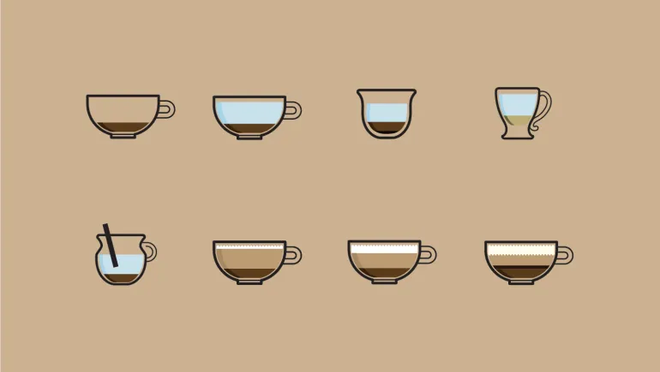
1 October is International Coffee Day, and this day was not chosen just randomly. This date corresponds with the beginning of the coffee year, and this day is termed as the beginning of the harvesting season.
Although tea somewhat holds the title of main powerforce behind our sipping culture, it would be unwise to forget the coffee stories that have been brewing in the urban areas for the last so many years.
The coffee craze did not just start in the last ten or twenty years in Bangladesh after many international coffee brands showed up. In the 18th and 19th centuries, coffees were cultivated in the hill tracts of Chittagong before the British showered the Bengalis with teas and biscuits.
Nearly two centuries later, coffee appears to be brewing another chapter in Bangladesh, this time in the hills of Bandarban, Rangamati and Khagrachhari. But Bangladesh’s coffee story is no longer only about what grows in the hills. It is also about what happens around the cup. From ‘Cha-Adda’s’ to Elakar Tong, urban areas have seen a massive shift from tong to coffee spots for dates, addas, office meetings, and so on, especially among youths. According to a report from Prothom Alo, coffee imports have risen by around seven times from 2012 to 2022 in Bangladesh.
While this increase has been for many trying to keep their bowels clean in the morning, many have it to go through their assignments and an all-nighter. For some, however, coffee after a sleepless night can produce a rather different version of productivity, more talking, less filtering, questionable jokes and decisions that may make considerably less sense after a proper night’s sleep. A good reminder of this is that coffee stays around.
The half-life of coffee is around five hours in a healthy adult. That 6 PM cup may have finished disappearing from the mug long before it finishes disappearing from the body.
Coffee does not actually create energy. It mainly works by blocking adenosine receptors in the brain. Adenosine is involved in building sleep pressure, so caffeine essentially makes the brain feel less tired rather than replacing lost sleep.
Does that make coffee bad, though?
As they say, sometimes you need to block out your emotions; coffee does the same for us. If blocking out your emotions is essentially bad is tough to tell and quite debatable, really (for me, it isn’t). But for coffee, the same cannot be really said. Where millions use a cup of coffee to go through their hardships and even good moments and cannot go without it, it would be unfair to deem coffee on the left side of life. Happy International Coffee Day!