Healthy eating pattern linked to 2.5-year delay in brain ageing
Healthy eating pattern linked to 2.5-year delay in brain ageing
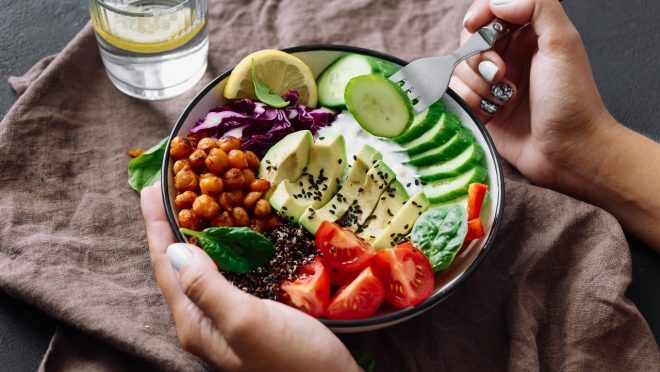
Following a diet rich in vegetables, berries, nuts and fish may help slow brain ageing, with researchers finding differences equivalent to around 2.5 years.
The findings, published in the Journal of Neurology, Neurosurgery & Psychiatry, link closer adherence to the MIND diet with slower grey matter loss and less enlargement of fluid-filled spaces in the brain.
The study examined 1,647 middle-aged and older adults, exploring the relationship between dietary habits and changes in brain structure.
The MIND diet combines elements of the Mediterranean diet and the Dietary Approaches to Stop Hypertension (DASH) plan. It emphasises vegetables, berries, nuts, whole grains, fish, beans, olive oil and poultry while limiting sweets, red meat, cheese and fried fast foods.
How researchers tracked brain ageing
Researchers followed participants from the Framingham Heart Study Offspring cohort, whose average age was 60 at the beginning of the study.
Dietary habits were assessed through food questionnaires completed between 1991 and 2001, while brain MRI scans were conducted between 1999 and 2019.
Over an average follow-up of 12 years, scans showed age-related reductions in brain volume, including grey matter, white matter and the hippocampus.
However, participants with higher MIND diet scores experienced slower grey matter loss.
A three-point increase in the diet score was associated with 20% less age-related grey matter decline, equivalent to approximately 2.5 years of delayed brain ageing.
Higher adherence was also linked to slower enlargement of the brain’s ventricles, corresponding to around one year of delayed brain ageing.
Berries and poultry linked to brain health
Higher berry consumption was associated with slower ventricular enlargement, while poultry intake was linked to slower grey matter loss and ventricular expansion.
In contrast, greater consumption of sweets was associated with faster ventricular enlargement and increased shrinkage of the hippocampus, which plays a role in memory. Fried fast foods were also linked to greater hippocampal volume loss.
Researchers suggested that antioxidants in berries and protein in poultry may help reduce oxidative stress and neuronal damage, while compounds in fried foods could contribute to inflammation and vascular damage.
Some findings, however, were unexpected. Higher whole grain consumption was associated with faster losses in grey matter and hippocampal volume, while cheese consumption was linked to slower declines in both areas and fewer signs of tissue damage.
Benefits more pronounced among older adults
The associations between MIND diet adherence and slower brain changes were stronger among older participants, physically active individuals and those who were not overweight or obese.
Researchers suggested that combining a brain-healthy diet with other healthy lifestyle habits could help reduce neurodegeneration as people age.
However, the observational nature of the study means it cannot establish that the diet directly caused the differences.
The research also relied on participants’ recollection of their eating habits and included a predominantly White population, limiting how broadly the findings may apply.
The researchers said the findings support the potential of the MIND diet as a brain-healthy eating pattern and warrant further investigation into its role in slowing neurodegeneration.