World’s largest penguin colony loses nearly two-thirds of its population in 14 years
World’s largest penguin colony loses nearly two-thirds of its population in 14 years
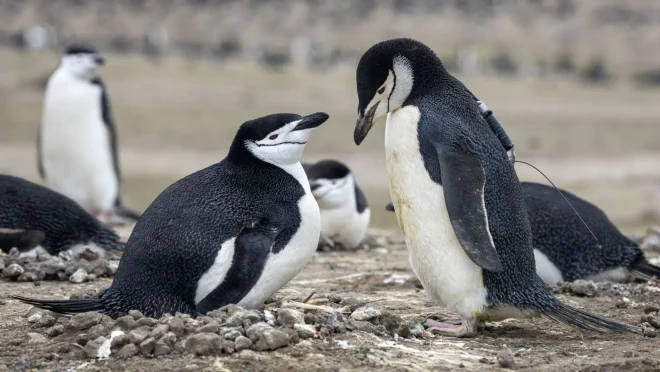
The population of chinstrap penguins on Zavodovski Island in Antarctica has fallen by almost two-thirds in 14 years, with scientists warning of a “huge collapse” in the once-largest penguin colony in the world.
According to the study, the number of chinstrap penguins on the remote volcanic island dropped from around 550,000 in 2011 to just over 200,000 in 2025. The study also found a 63% decline in occupied chinstrap nests during the same period.
Scientists from the British Antarctic Survey said climate change is likely a major factor behind the decline. Rising temperatures have pushed krill, the penguins’ main food source, towards colder waters, making it harder for chinstrap penguins to find food.
The decline has not affected all penguin species on the island equally. Macaroni penguins, which have a more flexible diet, have increased in number since 2011.
Researchers ruled out factors including competition for nesting space and local krill fishing as major causes. They also found no evidence that the island’s 2016 volcanic eruption was responsible for the decline.
Zavodovski Island is part of the remote South Sandwich Islands and lies about 2,000km from the nearest permanent human settlement. Researchers travelled for 15 days to reach the island and used drones, aerial photography and tracking devices to assess the penguin population.
Scientists now say the world’s largest penguin colony is at Cape Adare in the Ross Sea.
The study is published in the journal Current Biology.