1 in 5 girls are still married before 18: The fight for girls’ rights cannot wait
1 in 5 girls are still married before 18: The fight for girls’ rights cannot wait
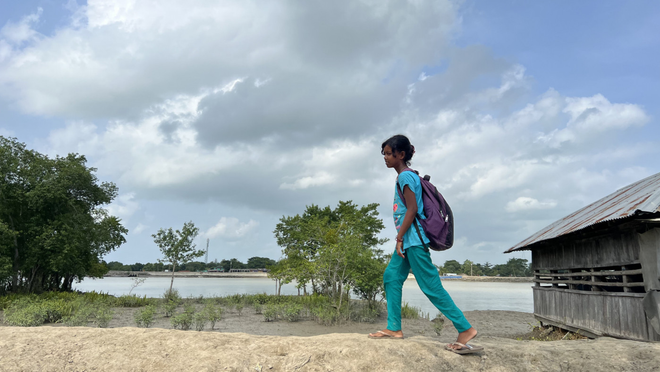
Observed every year on 11 October, the International Day of the Girl celebrates girls around the world while amplifying their voices, leadership and efforts to claim their rights.
The day brings together individuals, organisations and communities to recognise the rights of girls and advocate for equal opportunities, safety and empowerment. This year’s theme, developed through consultations with girls, girls’ organisations, girl-led networks, civil society groups and United Nations partners, calls for urgent action to end child marriage and invest in girls’ rights.
Despite decades of progress, millions of girls worldwide continue to face discrimination, violence, poverty and conflict, restricting their choices and limiting their opportunities. For many, being a girl still determines whether they can remain in school, make decisions about their futures or grow up free from violence.
Child marriage and violence continue to threaten girls
According to UNICEF’s 2026 estimates, approximately one in five girls worldwide is married before the age of 18. This represents around 650 million women and girls alive today who were married during childhood.
Child marriage can disrupt education, restrict economic opportunities and expose girls to early pregnancy and health risks. It can also deprive them of the freedom to make decisions about their relationships and futures.
Violence remains another major concern. Nearly one in four ever-married or partnered girls aged 15 to 19 has experienced intimate partner violence during her lifetime, highlighting the risks many adolescent girls face even within relationships.
Conflict, displacement and humanitarian crises further compound these challenges, increasing girls’ exposure to child marriage, sexual violence and maternal mortality. When families are forced to flee their homes or lose their livelihoods, girls can face heightened pressure to marry early, while access to education, healthcare and protection services becomes more difficult.
Education and economic opportunities remain unequal
Access to education and employment is essential to helping girls exercise their rights and build independent futures. However, significant disparities persist.
Girls aged 15 to 19 are twice as likely as boys to be out of education, employment or training. In fragile, conflict-affected and violence-affected settings, girls are nearly 90% more likely to be out of secondary school than girls living in stable contexts, further increasing their vulnerability to child marriage.
When girls are denied education, they lose opportunities to develop skills, pursue careers and participate fully in their communities. The consequences extend beyond individual lives, affecting household incomes, community well-being and broader economic development.
Investing in girls’ education, healthcare, protection and economic opportunities can help break cycles of poverty and inequality. Ensuring that girls can complete their education, access essential services and make informed decisions about their lives is therefore central to achieving lasting progress.
Investing in girls means investing in the future
The International Day of the Girl serves as a reminder that girls’ rights require action beyond a single day of recognition. Governments, communities and institutions must work together to prevent child marriage, protect girls from violence and ensure equal access to education and opportunities.
This includes strengthening laws and their enforcement, expanding access to quality education and healthcare, supporting girls affected by conflict and displacement, and ensuring that girls have a meaningful role in decisions that shape their lives.
Girls should not have to overcome discrimination simply to access the opportunities available to others. Their age and gender should never determine how far they can go or what they can achieve.
As the world marks the International Day of the Girl on 11 October, its message is clear: ending child marriage and investing in girls’ rights are essential to building healthier families, stronger communities and more resilient societies. A future in which every girl can learn, live safely and make decisions about her own life must be treated not as an aspiration, but as a fundamental right.