Before Halloween, there were the ghosts our grandparents warned us about
Before Halloween, there were the ghosts our grandparents warned us about
It is midnight, and a voice calls your name from outside the window. It sounds like your mother. Your grandmother’s rule is clear: don’t answer the first call.
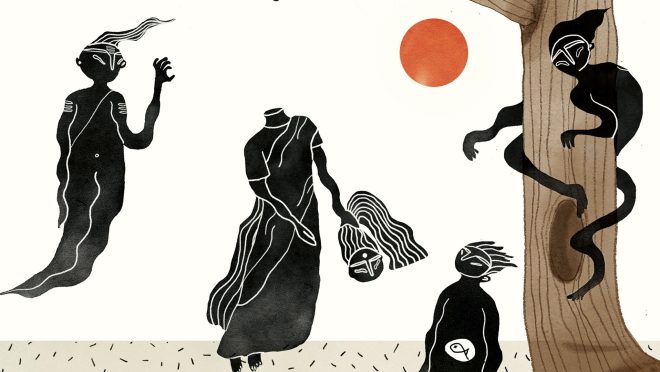
Long before pumpkins and costumes reached our screens, Bangladeshi children grew up with their own Halloween. It had no candy and no parades, only a darkness full of names. The Shakchunni, a pale woman in a white sari, was said to live in the banyan tree by the pond. The Petni wandered the edge of the village. The Brahmadaitya sat in the old tree and guarded it. Even the fish-loving Mechho Bhoot had a reputation, half terrifying and half comic.
These stories weren’t told for entertainment. They were rules in disguise. Don’t go to the pond after dusk. Don’t whistle at night. Don’t follow a voice you can’t see. Fear kept children close to home and made the dark a place to respect.
Halloween, in its own way, does the same. Costumes let us play with fear in daylight. Our ghosts did the opposite: they didn’t ask us to laugh, they asked us to listen.
Perhaps that is why they survived. A pumpkin fades after a night, but a story told in a power cut, under a mosquito net, stays for decades. Many of us still hesitate on a dark staircase, and we know exactly who taught us to.
This Halloween, wear the costume if you like. But when the lights flicker, remember the older tradition: call your friends by name, stay together, and never answer the first voice.
Then again, if you hear your own name tonight, you might want to check who’s calling.