NSU hosts dialogue on national budget’s Impact on public and corporate sectors
NSU hosts dialogue on national budget’s Impact on public and corporate sectors
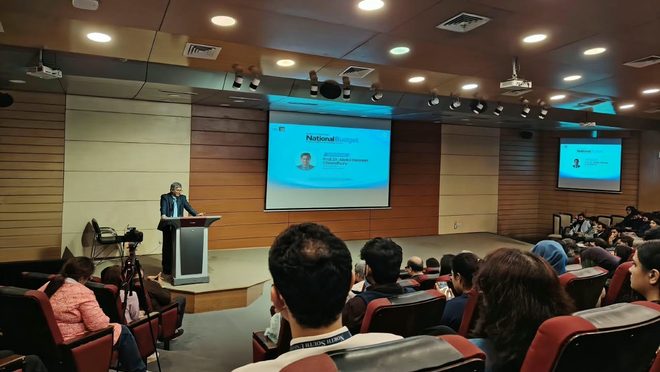
North South University (NSU) is hosting a Business Strategy Dialogue titled “Impact of the National Budget on Public and Corporate Sectors” on November 21, 2026, bringing together government representatives and academic leaders to highlight the relationship between fiscal policy, economic growth and corporate decision making in Bangladesh.
Dr. Md. Khairuzzaman Mozumder, Secretary of the Ministry of Finance, Government of the People’s Republic of Bangladesh, is the Chief Guest. Mr. M. A. Kashem, Founder Life Member of the North South University Trust and former Chairman of the NSU Board of Trustees, is the Special Guest. The session is chaired by Professor Dr. Abdul Hannan Chowdhury, Vice Chancellor of North South University.
National Budget and GDP Growth
The national budget plays a significant role in determining the direction of a country’s economic activities. Government expenditure, taxation and public investment can influence Gross Domestic Product (GDP), employment generation and overall economic development. Effective budget allocation towards infrastructure, education, healthcare and industrial development can strengthen productive capacity and support long term economic growth.
Fiscal Policy and Corporate Sector
Fiscal policy, which involves government taxation and spending decisions, is another important factor shaping the business environment. Changes in tax rates, VAT, import duties and government incentives can directly affect corporate costs, profitability and investment decisions. For businesses, understanding fiscal policy is essential for financial planning, risk management and long term strategic development.
Inflation, Public Debt and Investment
Budgetary decisions also have implications for inflation, public borrowing and private-sector investment. Government borrowing and expenditure can influence interest rates, liquidity and investment conditions. Meanwhile, effective revenue collection and responsible public spending are important for maintaining fiscal sustainability and economic stability.
The dialogue provides a relevant platform to examine how national budgetary priorities connect with the challenges and opportunities facing Bangladesh’s public and corporate sectors.
By bringing together policymakers and academic leadership, the initiative highlights the importance of informed economic discussions in understanding the country’s fiscal direction and its implications for businesses and national development.