Scientists investigate surge in massive humpback whale gatherings
Unusually large gatherings of humpback whales, known as “super-groups”, are being spotted more frequently in the oceans, challenging long-held beliefs about the species’ behaviour and raising questions among researchers.
Scientists investigate surge in massive humpback whale gatherings
Unusually large gatherings of humpback whales, known as “super-groups”, are being spotted more frequently in the oceans, challenging long-held beliefs about the species’ behaviour and raising questions among researchers.
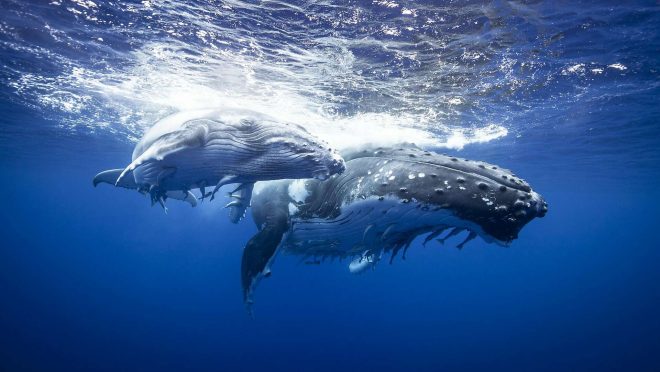
These super-groups, defined as tightly packed clusters of whales far larger than typical pods, have been observed in unprecedented numbers off the coast of South Africa. Photographs from late December 2025 show more than 300 individual humpbacks feeding together, far exceeding earlier records.
Humpback whales (Megaptera novaeangliae) are usually seen in small groups or alone during migration and feeding. The species is known for its long migrations from polar feeding grounds to tropical breeding areas, but such dense gatherings in mid-latitude waters are rare and not fully understood.
Scientists believe the behaviour could be linked to changes in prey availability or to the species’ recovery from near extinction following decades of industrial whaling. Conservation measures since the 1980s helped humpback numbers rebound, possibly contributing to shifts in feeding patterns and social behaviour.
Experts say continued monitoring is needed to determine whether these super-groups represent a new long-term trend or a seasonal anomaly.