Nine science-backed ways to take control of allergies
From the most effective treatments to the everyday triggers worth avoiding, here is practical, science-based guidance to help ease seasonal allergies.
Nine science-backed ways to take control of allergies
From the most effective treatments to the everyday triggers worth avoiding, here is practical, science-based guidance to help ease seasonal allergies.
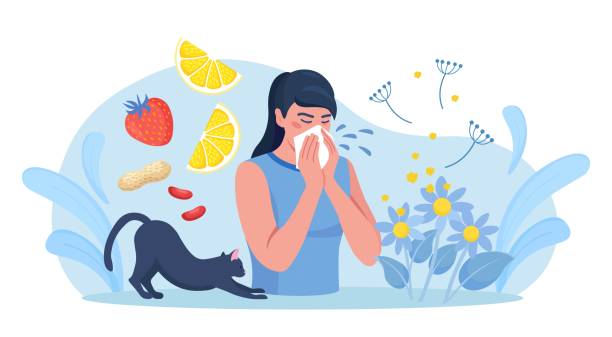
The sun is out, flowers are in bloom, and yet for millions of people this time of year brings constant sneezing, coughing, and irritated eyes.
According to the BBC, Around 400 million people worldwide live with allergic rhinitis, a condition in which airborne allergens such as pollen irritate the nasal passages. When it occurs at certain times of the year, it is commonly known as hay fever. In North America, it is often referred to as seasonal allergies, as symptoms can be triggered by different types of pollen and other allergens.
The situation appears to be worsening. Both the number of sufferers and the intensity of symptoms are increasing, partly due to climate change, which is extending pollen seasons and increasing pollen production.
The good news is that there are now more effective treatments than ever, along with clearer medical guidance on how to use them properly. With the right approach, symptoms can be significantly reduced.
Here are nine practical ways to manage hay fever, along with advice on when to seek medical help.
- Choose nasal sprays over tablets
At the first sign of symptoms, many people reach for oral antihistamines such as Claritin or Benadryl. However, these are generally less effective than nasal sprays because they must pass through the digestive system before reaching the affected area, reducing their impact.
Nasal sprays act directly where they are needed. They target inflammation in the nasal passages and are more effective at relieving congestion, sneezing, and irritation.
For this reason, nasal sprays are now widely recommended as the first-line treatment for both adults and children. Among these, corticosteroid sprays tend to be the most effective, followed by antihistamine sprays. The most effective option combines both, offering stronger relief without increased side effects.
In many cases, nasal sprays also help relieve eye symptoms. If irritation persists, eye drops containing olopatadine can provide additional relief.
- Avoid overusing decongestant sprays
Not all nasal sprays are suitable for long-term use. Decongestant sprays, which contain ingredients such as oxymetazoline, phenylephrine, or xylometazoline, provide quick relief by narrowing blood vessels and reducing swelling.
However, using them for more than a few days can lead to rebound congestion, where symptoms return more severely once the medication is stopped. This can create a cycle of dependency and may even cause lasting damage.
- If taking tablets, opt for newer antihistamines
If you prefer oral medication, choose second-generation antihistamines such as cetirizine, loratadine, or fexofenadine. These are more effective and less likely to cause drowsiness compared to older options like diphenhydramine or chlorpheniramine.
Using both a nasal spray and an oral antihistamine is usually unnecessary, as nasal corticosteroids already provide strong symptom control.
- Start treatment early
Do not wait for symptoms to appear. Beginning treatment a few weeks before the allergy season starts can significantly improve outcomes. Research shows that early use of nasal corticosteroids leads to better symptom control than starting after symptoms begin. - Be consistent with treatment
Medication only works if used properly and regularly. Take it at the same time each day, even if symptoms seem mild or absent. Consistency is key to maintaining control.
Follow dosage instructions carefully. Some studies show that using certain sprays twice daily can be more effective than once.
- Use nasal sprays correctly
Incorrect use can reduce effectiveness. Avoid pushing the spray too far into the nose or tilting your head back.
Instead, gently insert the nozzle a short distance into the nostril and aim it towards the ear on the same side. Tilt your head slightly forward and spray without sniffing sharply afterwards. This helps the medicine stay in the nasal passages where it is needed.
- Apply eye drops properly
Rather than tilting your head back and aiming directly at the eye, tilt your head to one side and place the drops in the inner corner. Blinking then helps spread the medication evenly across the surface. - Limit exposure to triggers
Reducing contact with allergens can make a noticeable difference. Keep windows closed, especially during high pollen periods. Wearing sunglasses or a mask outdoors can help protect against airborne particles.
After spending time outside, wash your face and hair or take a shower to remove pollen. This prevents allergens from spreading onto furniture, bedding, and clothing.
- Seek medical advice if symptoms persist
Hay fever is often dismissed as minor, but it can significantly affect sleep, daily activities, and overall quality of life. In children, it may even impact academic performance.
If symptoms continue despite proper treatment, consult a GP. In some cases, symptoms may be linked to other conditions such as asthma.
For persistent or severe cases, treatments like allergen immunotherapy may offer longer-term relief and reduce sensitivity to triggers over time.
This content is intended for general information only and should not replace professional medical advice. Always consult a qualified healthcare provider if you have concerns about your health.