The best diet for healthy bones as you age
For decades, bone health advice has largely revolved around one message: drink more milk. But scientists say maintaining strong bones as we age requires far more than simply increasing calcium intake.
The best diet for healthy bones as you age
For decades, bone health advice has largely revolved around one message: drink more milk. But scientists say maintaining strong bones as we age requires far more than simply increasing calcium intake.
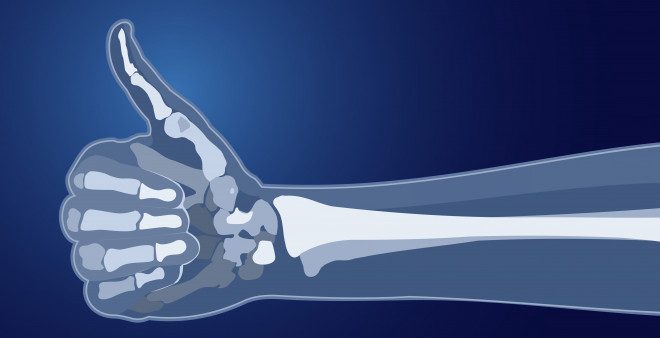
Bone density begins declining earlier than many people realise, with experts warning that poor dietary habits in early and middle adulthood can increase the risk of osteoporosis and fractures later in life. However, research suggests that the right combination of nutrients, alongside regular physical activity, can help preserve bone strength well into old age.
While calcium remains a cornerstone of bone health, researchers say other nutrients play equally important roles. Vitamin D helps the body absorb calcium effectively, while protein provides the structural framework that makes up roughly one-third of bone tissue. Magnesium, potassium and vitamin K also contribute to maintaining bone density and supporting bone repair.
Experts increasingly recommend a broader dietary approach rather than focusing on a single nutrient. Foods such as dairy products, leafy green vegetables, nuts, seeds, beans and fatty fish like salmon and sardines provide a range of bone-supporting nutrients. Fruits and vegetables rich in potassium and antioxidants may also help reduce bone loss over time.
Recent research has highlighted the benefits of dietary patterns similar to the Mediterranean diet, which emphasises vegetables, fruits, legumes, whole grains, olive oil and lean proteins. Scientists say such diets may support bone health by reducing inflammation and providing a balanced mix of essential nutrients.
The need to prioritise bone health becomes increasingly important with age. Peak bone mass is typically reached by the late twenties, after which bone breakdown gradually begins to outpace new bone formation. Women face a particularly elevated risk following menopause due to declining oestrogen levels, although osteoporosis also affects millions of men worldwide.
Diet alone, however, is not enough. Specialists stress the importance of weight-bearing and resistance exercises, which stimulate bone formation and help slow age-related bone loss. Activities such as walking, climbing stairs, dancing and strength training have all been linked to stronger bones and a lower risk of fractures.
Lifestyle habits also matter. Smoking and excessive alcohol consumption have been associated with reduced bone density, while diets high in ultra-processed foods may negatively affect bone health. Maintaining a healthy body weight and staying physically active are considered key components of long-term skeletal health.
Researchers say the message is clear: building and maintaining strong bones is a lifelong process. Rather than relying solely on calcium supplements or extra servings of milk, a balanced diet rich in diverse nutrients, combined with regular exercise, offers the best chance of keeping bones healthy and reducing the risk of osteoporosis as people age.