Why does your acne keep coming back?
Why does your acne keep coming back?
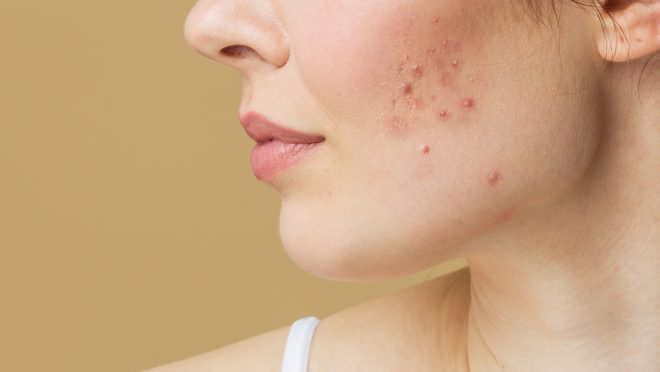
You may have a regular skincare routine, cleanse your face and follow the usual rules of skincare, yet still find new acne breakouts appearing.
While hormones, genetics and skin type can contribute to persistent acne, some everyday habits may also aggravate breakouts, according to a dermatologist.
Dr Kanchan S Topgi, visiting consultant in clinical and aesthetic dermatology and trichology at Sakra World Hospital in Bengaluru, told Hindustan Times that small changes in daily habits may help people manage recurring breakouts.
“Sometimes, even if you follow a proper skincare routine, you will still find persistent acne. While hormones, genetics, and skin type play a role, some everyday habits may also contribute to recurrent breakouts,” she said.
Here are some everyday habits that may be affecting your skin:
1. Your phone may need a clean
Your phone comes into frequent contact with your hands, face, sweat, makeup and different surfaces throughout the day.
Holding it against your face for extended periods can transfer oil and dirt to the skin. Regularly cleaning your phone can help reduce the amount of grime that comes into contact with your face.
2. Don’t ignore your pillowcase
Pillowcases can collect sweat, oil, dead skin cells and hair products over time. If they are not washed regularly, these substances can come into contact with your skin while you sleep.
Keeping pillowcases clean may help reduce this transfer.
3. More cleansing is not always better
Washing your face excessively or using harsh cleansers and frequent exfoliation can irritate the skin and damage its protective barrier.
A gentle cleanser twice a day is generally sufficient. If exfoliation is necessary, it should be done gently and without overdoing it, as irritation can worsen active acne.
It is also important to remove makeup before going to bed, even when using products labelled non-comedogenic.
4. Your hair and makeup products could be contributing
Hair oils, conditioners, gels and other styling products can come into contact with the forehead, cheeks, neck and back. For some people, these products may contribute to clogged pores.
Heavy or comedogenic makeup can have a similar effect. Using non-comedogenic products and regularly cleaning makeup brushes and sponges may help reduce the risk.
5. Stress and diet may play a role
Stress does not directly cause acne, but it may worsen existing breakouts in some people. Hormonal changes and other processes associated with stress can affect the skin.
Diet may also be a factor for some individuals. Diets high in refined carbohydrates and other high-glycaemic foods have been associated with acne, although dietary triggers can vary from person to person.
Persistent acne does not necessarily mean your entire skincare routine is failing. Hormones, genetics and skin type can all influence breakouts, while everyday habits may also play a role. Identifying potential triggers and making small changes may help with managing recurring acne.