Canada proposes social media ban for under-16s
Canada has proposed banning social media use for children and teenagers under the age of 16, in a move similar to legislation recently introduced in Australia, while allowing tech companies to avoid penalties if they can prove strong safeguards to reduce harm to minors.
Canada proposes social media ban for under-16s
Canada has proposed banning social media use for children and teenagers under the age of 16, in a move similar to legislation recently introduced in Australia, while allowing tech companies to avoid penalties if they can prove strong safeguards to reduce harm to minors.
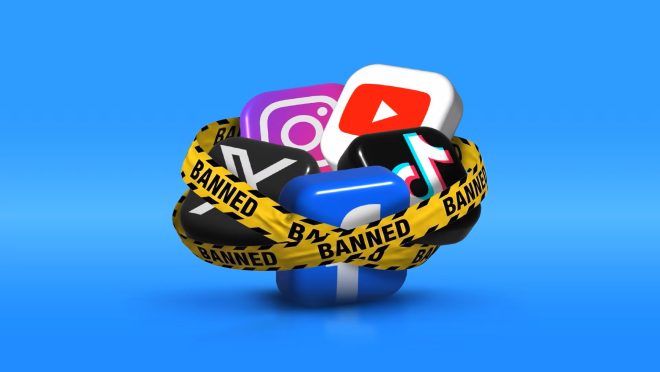
Under the proposed “Safe Social Media Act,” platforms could bypass the restriction if they demonstrate adequate policies and systems to protect young users. The legislation also introduces broader measures to regulate AI chatbots and restrict online content deemed harmful to children, alongside the creation of a new digital safety regulator.
The proposed law would establish the Digital Safety Commission of Canada, an independent body tasked with overseeing compliance by tech companies. Its members would be appointed by the federal cabinet, according to official briefing documents.
The government has argued that stronger action is needed to address online risks facing children, with Culture Minister Marc Miller saying earlier that tackling online harms is a priority and stressing the urgency by stating “kids are dying.”
The bill defines several categories of “harmful content,” including material that bullies children, promotes hatred or incites violence. It also proposes significant financial penalties for violations, set at the greater of $10 million or 3 per cent of a company’s global revenue.
The proposal comes ahead of the G7 summit in France next week, where leaders are expected to discuss artificial intelligence governance and child protection online.
Several countries have already moved to tighten online safety laws. Australia has implemented a ban on social media access for users under 16, while the United Kingdom, France and New Zealand have also introduced or considered similar measures.
In the UK, authorities are reportedly considering comparable restrictions for under-16 users, while Greece is preparing to enforce a ban for children under 15 starting next year.
Australia’s law, introduced late last year, bars children under 16 from creating accounts on major platforms such as Instagram, Facebook and TikTok, and requires companies to take “reasonable steps” to prevent underage access. However, reports indicate enforcement challenges, with many minors still active on social media despite the ban.
The Australian government has opened multiple investigations into possible non-compliance involving major platforms including Facebook, Instagram, Snapchat and TikTok.
Canada’s approach differs slightly by allowing exemptions for companies that can demonstrate effective harm-reduction measures, a provision some experts say could encourage stronger safety practices across platforms.
Children’s advocacy groups have welcomed parts of the proposal, saying it could improve online safety, though critics warn that broad definitions of harmful content may raise concerns over free expression and potential overreach.
The legislation is expected to be debated in parliament in the coming weeks as Canada moves closer to formalizing its online safety framework.