Japan-led probe finds 1,000 servers suspected of supporting AI-driven cyberattacks
Japan-led probe finds 1,000 servers suspected of supporting AI-driven cyberattacks
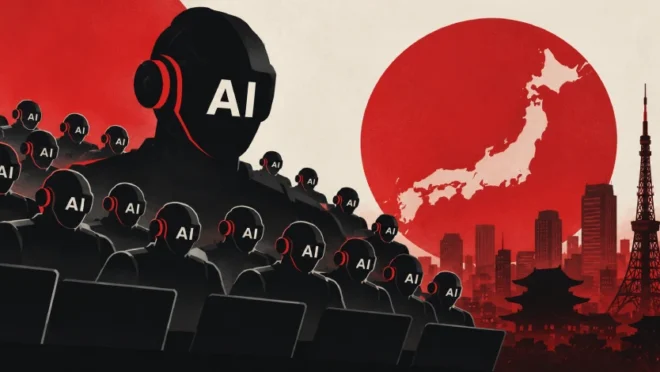
An international investigation led by the Japan Computer Emergency Response Team Coordination Centre (JPCERT/CC), in cooperation with overseas cybersecurity firms, has identified approximately 1,000 servers suspected of being used to support advanced AI-driven cyberattacks since October.
JPCERT/CC began the investigation in early October and is currently tracking 600 to 700 of the servers, says the Strait Times.
The investigation found that attackers used the servers to deploy artificial intelligence tools to scan for system vulnerabilities and target websites worldwide.
The emergence of advanced AI is lowering the technical barriers for cybercriminals, making hacking easier even for those without specialised knowledge.
“Hacking, which previously required time even for those with specialised knowledge, has become easier with the emergence of high-level AI.”
Most of the servers hosted AI-powered tools, including the penetration-testing platform Artex, which were used to search for system vulnerabilities and attempt to steal configuration files.
Some publicly accessible servers also contained programmes for testing system vulnerabilities and tools to analyse the internal structure of smartphone applications. Attackers used these tools to attempt unauthorised access through interfaces that exchange information with external systems.
Investigators also found traces of a programming support tool created by US artificial intelligence company Anthropic on one server, suggesting that attackers were using AI to enhance their hacking capabilities.
“Servers hosting the tools can be set up in physical facilities or operated through virtual frameworks.”
Cybersecurity analysts said AI-assisted cyberattacks were still at an early stage but warned that the threat could grow.
Ken Sajo, an analyst at JPCERT/CC, said: “more sophisticated attacks will increase in the future.”