OpenAI introduces ChatGPT Wallet for AI-powered shopping
OpenAI introduces ChatGPT Wallet for AI-powered shopping
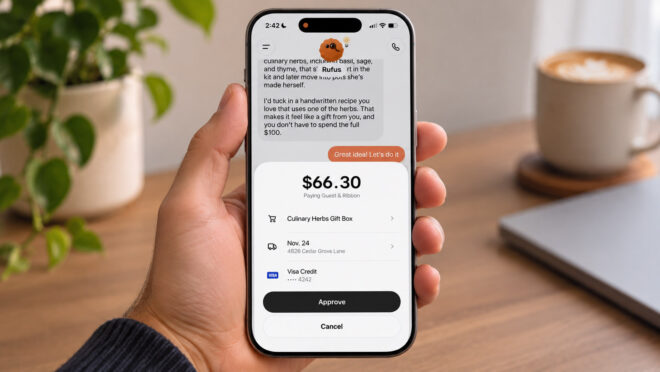
OpenAI has launched ChatGPT Wallet, a new feature that allows its AI agents, called dots, to help users choose products and complete purchases on their behalf.
Initially available to a limited number of US-based ChatGPT Pro subscribers aged 18 and above, the feature supports US-issued Visa, Mastercard and American Express cards.
Users can add an eligible payment card to ChatGPT Wallet once and use it for subsequent purchases without repeatedly entering their payment details. Before completing a transaction, the agent presents the merchant, selected items, total cost and payment card for the user’s review and approval.
Each purchase requires a security check, such as Face ID or a fingerprint scan. OpenAI says the system uses a payment token, which replaces the user’s actual card details, ensuring that neither the AI agent nor the merchant receives the original information.
Customers will also retain their existing credit card rewards and protections for eligible transaction disputes. Merchants receive necessary order fulfilment information, including shipping addresses and contact details.
The launch is part of OpenAI’s broader push into agent-led commerce, allowing AI systems to handle more tasks beyond product research and recommendations.
OpenAI plans to introduce additional controls, including spending limits and restrictions based on product categories or time periods, allowing users to pre-approve purchases under specified conditions.
However, wider adoption could depend on retailers’ willingness to support AI-driven transactions, as some websites restrict automated agents from accessing their platforms.
Alongside the launch, OpenAI has published a Commerce Partner Playbook, offering businesses tools and guidance to help them accommodate purchases made through AI agents.
The company said the initial limited rollout would help it assess the feature and improve compatibility with businesses, banks and payment networks before expanding availability.