Sugar consumption in Bangladesh falls nearly 33% in five years
Sugar consumption in Bangladesh falls nearly 33% in five years
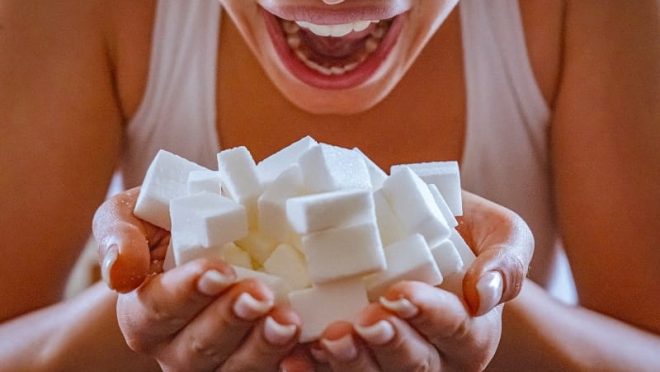
Sugar consumption in Bangladesh is projected to decline by nearly 33% over five years amid growing health concerns and prolonged inflation, according to the US Department of Agriculture (USDA).
The country consumed around 2.76 million tonnes of sugar in the 2021–22 marketing year. The figure is projected to fall to 1.86 million tonnes in 2025–26, marking the steepest decline among major sugar-consuming countries.
Industry insiders attribute the decline to rising awareness of diabetes, fatty liver disease and hypertension, alongside higher prices and declining purchasing power.
The number of people with diabetes in Bangladesh rose from 8.4 million in 2011 to around 14 million in 2024, an increase of approximately 65%, according to the International Diabetes Federation (IDF).
Currently, 13.2% of adults aged 20–79 in Bangladesh have diabetes, while 39.1% of those affected remain undiagnosed, representing around 5.42 million people, the IDF data show. Doctors also estimate that around 20,000 children in the country have diabetes.
Hypertension is also becoming more prevalent. Preliminary findings from the 2017–18 Bangladesh Demographic and Health Survey showed that around 40% of people aged 35 and above had hypertension, up from 26% in 2011.
A 2025 World Health Organization report found that cardiovascular diseases claimed 283,800 lives in Bangladesh in 2024, with hypertension accounting for 52% of those deaths.
Professor Dr MS Jahirul Hoque Chowdhury, a specialist physician, told Bonik Barta that excessive consumption of sugar and refined carbohydrates could increase fat accumulation and the risk of obesity, diabetes, heart disease and stroke.
He advised people to reduce their intake of processed foods, sugar and salt while maintaining physical activity and managing their weight.
Changing dietary habits
The shift is also evident in tea consumption, a major source of sugar intake in Bangladesh.
Shah Moinuddin Hasan, chairman of the Tea Traders Association of Bangladesh and head of the tea division at Ispahani Group, told Bonik Barta that more people, particularly middle-class and health-conscious consumers, were drinking tea without sugar.
Kamran Tanvirur Rahman, chairman of the Tea Association of Bangladesh, said even a small reduction in the amount of sugar used in each cup of tea could significantly affect annual consumption because of the country’s high daily tea intake.
Nutritionist Nishat Sharmin Nishi of Popular Medical College Hospital said excessive sugar and refined carbohydrate consumption was increasing the risk of diabetes, fatty liver disease and heart disease among younger people.
She cautioned that sugar intake came not only from tea and cooking but also from biscuits, bakery products, soft drinks, restaurant meals and processed foods, which may contain hidden sugars.
Research by the Hepatology Society of Bangladesh indicates that one in every three people in the country has fatty liver disease, with around 10 million at risk of cirrhosis.
National Professor AK Azad Khan, president of the Diabetic Association of Bangladesh, said greater public awareness and changes in dietary and lifestyle habits were essential to controlling such diseases.
Inflation puts pressure on demand
USDA data show that sugar consumption in Bangladesh fell from around 2.23 million tonnes in 2022–23 to 2.04 million tonnes in 2023–24 and 1.89 million tonnes in 2024–25. Consumption is projected to decline further to 1.86 million tonnes in 2025–26.
Market sources said higher global sugar prices, supply chain disruptions and increased sugarcane-based biofuel production following the Covid-19 pandemic had also affected the domestic market.
As the prices of essentials such as rice, lentils and edible oil rose, middle-income households cut spending on sweets and other sugar-based foods.
An official at a leading private-sector sugar producer said rising health awareness and reduced purchasing power had contributed to falling demand.
The official said the company was producing around 2,500 tonnes of sugar a day against its daily production capacity of approximately 5,500 tonnes.
Mostafa Kamal, managing director of Meghna Group of Industries, one of the country’s leading private sugar producers, told Bonik Barta that consumers were increasingly opting for less sugar in tea, coffee and processed foods. Inflation had also reduced spending on sweets, he said.
State-owned mills struggle amid falling demand
The decline in consumption comes as state-owned sugar mills continue to face production and financial challenges.
According to the Bangladesh Sugar & Food Industries Corporation (BSFIC), 15 state-owned mills produced more than 82,000 tonnes of sugar in the 2019–20 season. Production fell to 21,314 tonnes in 2022–23 before rising to 43,326 tonnes at nine mills in 2025–26.
Inefficiencies and delays in releasing funds for sugarcane purchases have contributed to losses at state-owned mills.
Financial statements from the BSFIC show that state-owned sugar mills and related entities incurred losses of around Tk 4.77 billion in FY2025–26, down from approximately Tk 5.55 billion in the previous fiscal year.
The production cost of sugar at these mills has reached around Tk 300 per kg, compared with a retail price of Tk 125.
Private companies now account for around 97% of Bangladesh’s sugar supply. After expanding production capacity to meet rising demand in previous years, leading private mills have reduced output as consumption has declined over the past five to six years.
Industry insiders said the combination of changing dietary habits, health concerns and inflation was reshaping the country’s sugar market, with demand weakening both among households and in the food processing industry.