A child's right to ask is an adult's responsibility to answer
Parents naturally make almost all decisions for their children. They determine where their children will go to school, what activities will fill their days and ultimately shape the pathways of who they will become. At certain stages of development, making these critical choices on their behalf is entirely necessary for their betterment and safety. As they do not yet possess the knowledge, life experience or understanding of the wider world that adults do.
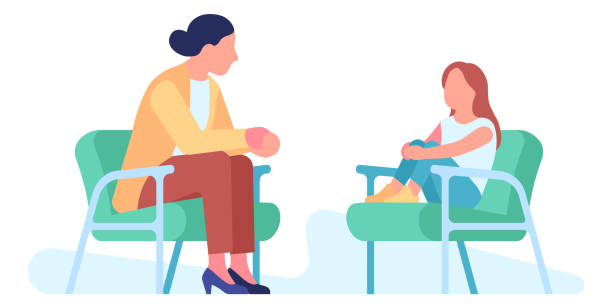
However, do we engage in genuine conversations with our children about the decisions affecting their lives?
Even when their input cannot alter the final outcome of a major decision, taking the time to involve them by sharing the rationale and logic behind our choices, offering a clear, age appropriate explanation can be an essential developmental practice. This will foster cognitive growth, nurture critical thinking and create self-assured individuals in future.
This brings us to World Children’s Day. Every year on the twentieth of November UNICEF commemorates a global day of action for children. For 2026, the theme “my day, my rights, my future” places an explicit, powerful focus on listening to young people, learning directly from their lived experiences and ensuring their perspectives are actively incorporated into the decisions that shape their lives.
The core of this theme is that children must not be viewed merely as passive recipients.
Instead, they are recognised as individual right holders who must be empowered to express their opinions. It becomes the collective responsibility of families, educators, communities and institutions to listen attentively to those visions and provide the supportive scaffolding that is necessary.
The other day, while teaching a Grade 3 English class, I came across a moment that took the lesson somewhere I hadn’t initially planned. The passage was about Vincent van Gogh. Towards the end, it mentioned that he had died by suicide. Naturally, the children had questions. They wanted to understand what that meant, why someone would do that, and what could lead a person to feel that way.
Rather than shutting the conversation down, I decided to answer them. I explained suicide and mental health in words they could understand, without going into unnecessary details. The conversation also opened an opportunity to talk about kindness, empathy and how we treat one another in the classroom. We discussed why mocking classmates, laughing at someone or making others feel small can hurt. The children kept asking questions and I kept answering as best I could, in language appropriate for their age.
The English lesson turned into a lesson worth more.
It made me think about myself at that age. When I was in Class 3, I don’t think I would have been encouraged to ask questions like these. I can almost imagine being told to stop asking, go to my room, or simply get back to my homework. Some questions were probably considered inappropriate for children, not because children couldn’t understand the answers but because adults didn’t always feel comfortable having those conversations.
And that is precisely why listening to children and allowing them to ask questions matter.
The United Nations Convention on the Rights of the Child (UNCRC), as outlined by UNICEF, recognises children not merely as individuals who need protection but as individuals with their own thoughts, opinions and voices. Article 12 recognises their right to express their views on matters affecting them, while Article 13 protects their right to seek, receive and share information and ideas. These rights do not mean that children should be exposed to everything indiscriminately. Rather, adults have a responsibility to guide them, provide age appropriate information and create spaces where curiosity is not met with ridicule or silence.
This year’s World Children’s Day theme “My Day, My Rights, My Future” reinforces this very idea. UNICEF calls on adults to listen to children, take their views seriously and allow them to express what kind of future they want. But I think this begins much earlier than formal discussions about the future. It begins when a child asks a difficult question, when they want to understand something they heard at school or when they question something an adult might consider too uncomfortable to discuss.
Children do not need to understand every complexity of the world at once. They do, however, deserve honest answers that they can understand. Avoiding a question does not necessarily make the subject disappear; it may simply leave a child to make sense of it without guidance. As teachers, parents and caregivers, we cannot answer every question perfectly. But perhaps we can make sure that asking one never feels like a mistake.
Respecting a child’s rights begins with something as simple as letting them finish their question.