Bangladesh needs graduates who can create jobs, not just find them
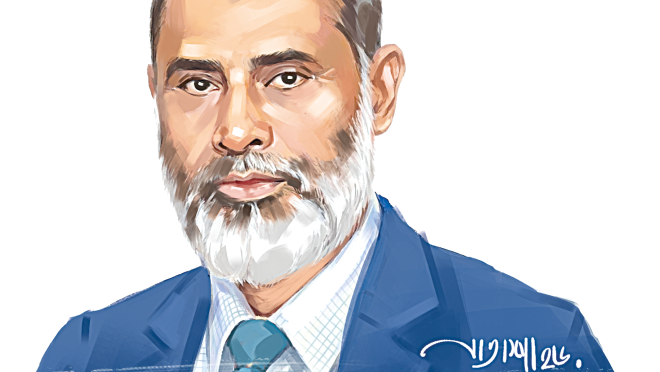
Universities must do more than prepare students for existing vacancies, says UIU Vice-Chancellor Prof Dr Md Abul Kashem Mia, calling for stronger entrepreneurship, practical learning, research and industry collaboration
Bangladesh needs graduates who can create jobs, not just find them
Universities must do more than prepare students for existing vacancies, says UIU Vice-Chancellor Prof Dr Md Abul Kashem Mia, calling for stronger entrepreneurship, practical learning, research and industry collaboration
Bangladesh’s future will depend not simply on how many graduates its universities produce, but on whether they have the skills and mindset to respond to a rapidly changing economy. Over the next decade, employers and society will need graduates who combine technical knowledge and artificial intelligence (AI) proficiency with creativity, analytical thinking and leadership capabilities.
Universities must prepare students to work across disciplines, adapt to emerging technologies and apply their knowledge to real-world challenges. While higher education institutions are making progress, we must continue to evolve alongside changing workplace demands.
At United International University (UIU), our goal is to prepare students not only for employment but also to solve problems, drive innovation and contribute to national development.
In an era when information is readily available, knowledge alone is no longer a sufficient competitive advantage. Students must learn to evaluate information, ask meaningful questions and use AI responsibly. They need to understand both the capabilities and limitations of these tools, while recognising the importance of human judgement, accountability and empathy.
This requires a shift towards more active learning through projects, discussions, experimentation and reflection. Faculty members and students must also learn to integrate AI into teaching and learning while upholding accuracy, originality, privacy and academic integrity.
Critical thinking and creativity must be nurtured
Academic performance remains important, but a student’s potential cannot be measured by grades alone. Critical thinking, creativity and confidence develop when students are encouraged to question assumptions, explore unfamiliar ideas and learn from mistakes.
Universities should give students opportunities to discuss complex issues, conduct research, solve open-ended problems and defend their conclusions with evidence. Equally important is creating an environment where questions are welcomed and respectful disagreement is encouraged.
Faculty members have a crucial role in this process. Rather than simply providing answers, they must guide students towards independent thinking. Student clubs, competitions, community engagement and collaborative projects can further strengthen these qualities beyond the classroom.
Research is another area where universities must expand their contribution. Bangladesh faces challenges in climate change, agriculture, healthcare, education and technology that require locally relevant solutions. Universities should move beyond consuming existing knowledge and become more active producers of research that addresses these needs.
Achieving this requires sustained investment in faculty research, modern facilities and research funding, alongside opportunities for students to participate in practical projects. Stronger collaboration with industry, government agencies and local communities can help ensure that research responds to real needs. Mechanisms to commercialise innovations can also turn academic findings into solutions that benefit society.
From job seekers to job creators
Universities must also encourage students to consider entrepreneurship as a viable career path. While preparing graduates for existing jobs remains essential, higher education should equip them to identify opportunities, develop innovative ideas and create employment for others.
Entrepreneurship courses, start-up incubators, mentorship, seed funding and industry partnerships can help students turn ideas into viable ventures. Such initiatives can contribute to economic growth while encouraging young people to approach challenges with initiative and creativity.
Bridging the gap between academic learning and workplace expectations is equally important. Employers often seek practical competencies alongside theoretical knowledge, including communication, teamwork and problem-solving skills.
At UIU, we organise seminars, workshops, symposiums and industry-led training programmes to help students develop these capabilities. Regular engagement with employers is also necessary to keep curricula aligned with changing industry requirements. Universities must continually assess whether what they teach equips graduates for the realities of professional life.
At the same time, preparing students for the future means recognising that many jobs and skills will change, while some occupations may emerge that do not yet exist. Universities cannot predict every shift in the labour market, but they can help students develop the ability to learn throughout their lives.
Strong academic foundations, interdisciplinary learning, digital literacy, adaptability and responsible AI use can help graduates navigate uncertainty. Continuous professional development must become an integral part of this approach.
Leadership must extend beyond personal success
Technical competence and professional achievement are only part of what universities should cultivate. Bangladesh also needs graduates who understand the responsibilities that accompany leadership.
Responsible leadership means acting with integrity, accepting accountability, showing empathy and contributing to the greater good. Success should not be measured solely by individual achievement, but also by how people use their abilities to benefit others.
Universities can nurture these values through volunteering, community engagement, leadership development, ethical decision-making and student-led initiatives. By encouraging students to respect diversity, take responsibility and lead by example, institutions can help develop graduates who contribute positively to society.
Ultimately, the purpose of higher education must extend beyond awarding degrees. Universities should develop people who can think independently, apply knowledge, create opportunities and respond constructively to change.
For Bangladesh to meet its future challenges, we need graduates who are not only qualified for today’s jobs but also capable of shaping tomorrow’s economy and society. That requires universities to place equal importance on knowledge, practical skills, research, innovation and character.