Early diagnosis makes a life changing difference
Early diagnosis makes a life changing difference
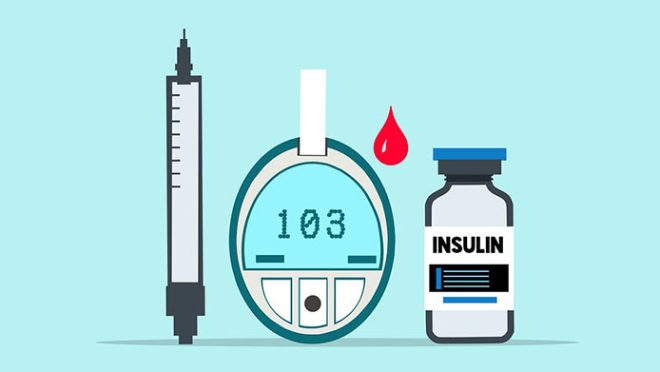
More than 40% of people living with diabetes worldwide remain undiagnosed, leaving millions without access to the care, treatment and support they need to manage the condition. On World Diabetes Day, observed on 14 November, the focus is on raising awareness of the importance of recognising symptoms, seeking timely diagnosis and ensuring access to proper healthcare.
Diabetes is a chronic condition that affects how the body regulates blood glucose (blood sugar). Without proper management, it can lead to serious health complications. However, early diagnosis and appropriate treatment can help people manage the condition and maintain a healthy quality of life.
Recognising the warning signs is an important first step. Common symptoms of diabetes include increased thirst, frequent urination, persistent tiredness and blurred vision. Some people may also experience unexplained weight loss and increased hunger.
The symptoms can vary depending on the type of diabetes. Type 1 diabetes often develops rapidly, with symptoms appearing over a short period. Type 2 diabetes, on the other hand, usually develops gradually and may cause few or no noticeable symptoms for years. As a result, many people may be living with the condition without realising it.
Anyone experiencing possible symptoms should seek medical advice and undergo appropriate testing. Even in the absence of noticeable symptoms, people at increased risk may benefit from discussing diabetes screening with a healthcare professional.
Why early diagnosis matters
Undiagnosed diabetes can prevent people from receiving timely treatment and managing their blood glucose levels effectively. Over time, uncontrolled diabetes can increase the risk of complications affecting the heart, kidneys, eyes and nerves.
Early diagnosis allows people to access appropriate treatment, make necessary lifestyle adjustments and monitor their blood glucose levels. It also gives healthcare professionals an opportunity to identify potential complications and provide the support needed to prevent or delay their progression.
However, diagnosis alone is not enough. Access to affordable medicines, regular health check-ups, monitoring technologies and comprehensive healthcare services remains essential for people living with diabetes.
The World Health Organization (WHO) has identified closing the diagnosis gap as a global priority. In 2022, WHO Member States adopted five global diabetes coverage targets, setting measurable goals for improving diabetes care by 2030.
The targets aim to ensure that:
- 80% of people living with diabetes are diagnosed.
- 80% of people diagnosed with diabetes achieve good control of their blood glucose levels.
- 80% of people diagnosed with diabetes achieve good blood pressure control.
- 60% of people with diabetes aged 40 and above receive statins.
- 100% of people with type 1 diabetes have access to affordable insulin and blood glucose self-monitoring.
These targets seek to reduce the health risks associated with diabetes and ensure that people diagnosed with the condition can access equitable, comprehensive, affordable and quality treatment and care.
Breaking the stigma around diabetes
Access to healthcare is not the only challenge. Stigma and misconceptions surrounding diabetes can also discourage people from seeking diagnosis and treatment or discussing their condition openly.
Raising awareness and promoting accurate information are therefore important parts of improving diabetes care. Understanding that diabetes is a medical condition, rather than a personal failing, can help create a more supportive environment for people living with it.
The WHO’s Global Diabetes Compact, launched in 2021, works towards improving access to essential medicines and health technologies, strengthening health promotion and supporting countries in their efforts to prevent and manage diabetes. The initiative also emphasises the importance of listening to people with lived experience of diabetes to make healthcare responses more inclusive and effective.
The 2026 World Diabetes Day theme, ‘Early action on diabetes’, highlights the importance of timely diagnosis, access to comprehensive care and reducing the stigma associated with the condition.
Ultimately, tackling diabetes requires action from individuals, healthcare providers and governments alike. Recognising the symptoms, seeking medical advice, improving access to diagnostic services and ensuring affordable treatment can all contribute to better health outcomes.
With millions of people still unaware that they have diabetes, early action can make a significant difference. Closing the diagnosis gap is not simply about identifying more cases; it is about ensuring that everyone living with diabetes has the opportunity to receive the care and support they need.