96% of world's coral reefs face collapse by 2075: IUCN
96% of world's coral reefs face collapse by 2075: IUCN
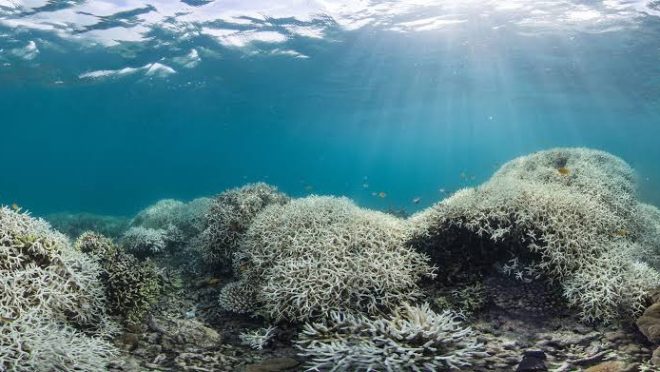
Nearly all of the world’s shallow-water coral reef ecosystems face an extremely high risk of collapse by 2075 due to climate change, the International Union for Conservation of Nature (IUCN) has warned.
In its first global assessment of coral reef ecosystems, the IUCN classified 96% of the world’s coral reef systems as critically endangered, its highest risk category, according to an AFP report on Thursday.
The assessment examined 127 tropical and subtropical coral reef systems covering 188,362 square kilometres, including Australia’s Great Barrier Reef, the Coral Triangle in Southeast Asia and the western Pacific, the Mesoamerican Barrier Reef System in the Caribbean, and the Red Sea reefs.
Rising ocean temperatures caused by climate change are the most consistent threat to coral reefs, increasing the frequency and intensity of coral bleaching events. Overfishing, coastal development, pollution, tourism and more frequent storms are also contributing to their decline.
The IUCN said the overexploitation of parrotfish and other grouper species threatens 63% of coral reef ecosystems. These fish help maintain ecological balance by controlling algae and regulating marine food webs.
The assessment used a middle-of-the-road climate scenario projecting global temperatures to rise 2.7 degrees Celsius above pre-industrial levels by 2100. Without future climate projections, 24% of coral reef ecosystems would be classified as critically endangered, the IUCN said.
Despite the warning, the organisation said coral reefs in most parts of the world could still recover if decisive action is taken to reduce greenhouse gas emissions, strengthen conservation and restoration efforts, and protect coastal ecosystems.
The report was released during the UN’s COP17 biodiversity summit in Yerevan, Armenia, where governments are discussing efforts to halt and reverse biodiversity loss by 2030.
A study published in Nature last week also found that nearly half of coral species faced an elevated relative risk of extinction by 2020, with climate change identified as the main driver.