𝐒𝐨𝐜𝐢𝐚𝐥 𝐌𝐞𝐝𝐢𝐚: 𝐀 s𝐢𝐥𝐞𝐧𝐭 c𝐫𝐢𝐬𝐢𝐬 𝐨𝐟 h𝐮𝐦𝐚𝐧𝐢𝐭𝐲 a𝐦𝐢𝐝 𝐭𝐡𝐞 d𝐢𝐠𝐢𝐭𝐚𝐥 n𝐨𝐢𝐬𝐞
From news and education to business, public awareness, and emergency communication, social media has made many aspects of life faster and more accessible. People who once had little opportunity to express their views publicly can now reach thousands, sometimes millions, with little more than a smartphone. Yet within this extraordinary connectivity lies a growing contradiction: Has the technology that brought us closer physically and digitally begun to push us further apart emotionally and intellectually? Are we truly connected, or are we simply present on one another’s screens?
𝐒𝐨𝐜𝐢𝐚𝐥 𝐌𝐞𝐝𝐢𝐚: 𝐀 s𝐢𝐥𝐞𝐧𝐭 c𝐫𝐢𝐬𝐢𝐬 𝐨𝐟 h𝐮𝐦𝐚𝐧𝐢𝐭𝐲 a𝐦𝐢𝐝 𝐭𝐡𝐞 d𝐢𝐠𝐢𝐭𝐚𝐥 n𝐨𝐢𝐬𝐞
From news and education to business, public awareness, and emergency communication, social media has made many aspects of life faster and more accessible. People who once had little opportunity to express their views publicly can now reach thousands, sometimes millions, with little more than a smartphone. Yet within this extraordinary connectivity lies a growing contradiction: Has the technology that brought us closer physically and digitally begun to push us further apart emotionally and intellectually? Are we truly connected, or are we simply present on one another’s screens?
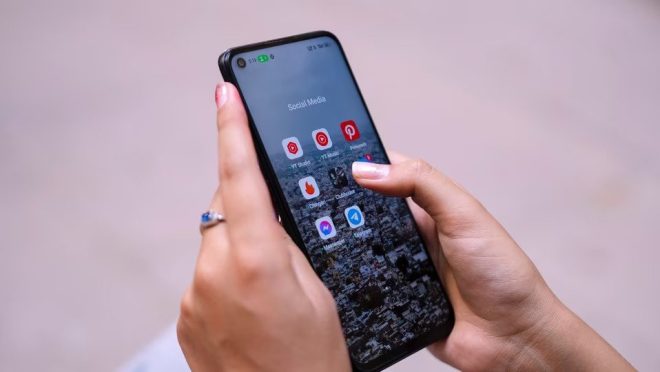
Social media was once hailed as a revolutionary technology capable of bringing people closer together. Today, someone in one corner of the world can connect instantly with someone thousands of miles away, exchange ideas, share knowledge and experiences, and participate in conversations that were once beyond their reach. This is undoubtedly one of the defining achievements of the digital age.
From news and education to business, public awareness, and emergency communication, social media has made many aspects of life faster and more accessible. People who once had little opportunity to express their views publicly can now reach thousands, sometimes millions, with little more than a smartphone. Yet within this extraordinary connectivity lies a growing contradiction: Has the technology that brought us closer physically and digitally begun to push us further apart emotionally and intellectually? Are we truly connected, or are we simply present on one another’s screens?
𝐖𝐡𝐞𝐧 𝐝𝐢𝐬𝐚𝐠𝐫𝐞𝐞𝐦𝐞𝐧𝐭 𝐭𝐮𝐫𝐧𝐬 𝐩𝐞𝐫𝐬𝐨𝐧𝐚𝐥
Across social media, healthy debate is increasingly overshadowed by personal attacks, ridicule, misinformation, and intolerance. Instead of challenging an argument with facts or reasoning, people often attack a person’s appearance, profession, education, financial status, family, or private life. A single mistake, an awkward remark, or a few seconds of video can become enough to judge an individual’s entire character. Context disappears, nuance is ignored, and public judgment arrives almost instantly. More troublingly, insulting and provocative content can attract enormous engagement and quickly become “popular.” This is partly because the social media economy is built around attention. Content that makes people angry, shocked, outraged, or emotionally charged often has a greater chance of spreading rapidly. The result is an emerging culture of humiliation, in which being louder can appear more effective than being reasonable, and aggression can seem more rewarding than civility.
Criticism, of course, is essential. No democratic or intellectually vibrant society can progress without questions, disagreement, scrutiny, and criticism. But criticism and humiliation are not the same thing. Criticism examines a statement, decision, policy, or action. Humiliation attacks the dignity of the person behind it. Someone’s opinion may be wrong. Their decisions may deserve scrutiny, and their actions may require accountability. But none of this justifies attacking their family, physical appearance, personal identity, or social standing. Unfortunately, we often seem more eager to identify flaws than to acknowledge good work. We can be remarkably economical with praise and extraordinarily generous with condemnation. That is hardly an encouraging sign for our collective social psychology.
𝐓𝐡𝐞 𝐝𝐚𝐧𝐠𝐞𝐫𝐨𝐮𝐬 𝐬𝐩𝐞𝐞𝐝 𝐨𝐟 𝐦𝐢𝐬𝐢𝐧𝐟𝐨𝐫𝐦𝐚𝐭𝐢𝐨𝐧
An even greater challenge is the spread of misinformation. Digital technology has made creating and distributing information easier than at any previous point in history. An edited photograph, an old video presented as footage of a new event, an unsupported allegation, or information stripped of context can reach thousands of people within minutes. Artificial intelligence has made this challenge even more complicated. AI-generated or manipulated images, videos, and voices are becoming increasingly convincing. For ordinary users, immediately distinguishing what is authentic, altered, or entirely fabricated is not always easy. The deeper problem is that sharing, commenting, and judging often begin before verification does. People frequently circulate information without knowing where it originated or whether the source is credible. Yet misinformation does more than create temporary confusion. A false claim can destroy a reputation built over decades, unfairly damage an institution, deepen social divisions, and, in extreme cases, contribute to unrest or violence. A false post may eventually be deleted, but its consequences cannot always be erased.
𝐀 𝐧𝐞𝐰 𝐥𝐚𝐧𝐝𝐬𝐜𝐚𝐩𝐞 𝐟𝐨𝐫 𝐟𝐫𝐚𝐮𝐝
Social media has also transformed the nature of fraud. Fake businesses, unrealistic discounts, fraudulent job advertisements, impersonation, bogus investment opportunities, and financial scams are increasingly common. Fraudsters may even use the names, photographs, and identities of trusted individuals or established institutions to deceive unsuspecting users. Technology has advanced rapidly, but digital literacy, personal-data protection, and fact-checking habits have not always developed at the same pace.
That gap creates opportunities for exploitation. The solution cannot simply be to fear technology. Instead, users must develop the ability to question what they see, verify who they are dealing with, protect sensitive information, and recognize offers that are designed to exploit urgency, trust, or greed.
𝐖𝐡𝐚𝐭 𝐚𝐫𝐞 𝐰𝐞 𝐭𝐞𝐚𝐜𝐡𝐢𝐧𝐠 𝐭𝐡𝐞 𝐧𝐞𝐱𝐭 𝐠𝐞𝐧𝐞𝐫𝐚𝐭𝐢𝐨𝐧?
Perhaps the most important question concerns children and young people. When a child repeatedly sees that insulting others attracts attention, mockery produces popularity, unverified information can be shared without consequences, and disagreement is answered with personal attacks rather than reason, what kind of social values are they learning? Children no longer learn behaviour only from their families, schools, and communities. The screen in their hands has become a powerful teacher. What they watch, whom they follow, how influencers behave, and what kinds of content receive the greatest attention can gradually shape their language, taste, tolerance, empathy, and judgment. At that point, technology is no longer merely a communication tool. It becomes a silent instructor of social behaviour.
𝐓𝐡𝐞 𝐬𝐡𝐫𝐢𝐧𝐤𝐢𝐧𝐠 𝐬𝐩𝐚𝐜𝐞 𝐟𝐨𝐫 𝐝𝐢𝐟𝐟𝐞𝐫𝐞𝐧𝐭 𝐨𝐩𝐢𝐧𝐢𝐨𝐧𝐬
Another concern is our declining ability to engage constructively with opposing views. On social media, people naturally tend to follow individuals and consume content that aligns with their existing beliefs. Over time, similar ideas repeatedly appear on their screens, reinforcing what they already think. This can create the impression that one’s own position is not simply a perspective but the only reasonable truth. Opposing opinions then cease to be ideas worth understanding and instead become positions associated with an adversary. Such a mindset gradually reduces the space for tolerance, curiosity, and mutual respect. A healthy society does not require everyone to agree. It requires people to disagree without denying one another’s dignity.
𝐋𝐚𝐰 𝐚𝐥𝐨𝐧𝐞 𝐜𝐚𝐧𝐧𝐨𝐭 𝐬𝐨𝐥𝐯𝐞 𝐭𝐡𝐞 𝐩𝐫𝐨𝐛𝐥𝐞𝐦
The crisis cannot be addressed through legislation alone. Laws are necessary, particularly against online fraud, identity theft, defamation, incitement to violence, and other forms of digital crime. Their application should be fair, proportionate, and consistent. At the same time, efforts to prevent harmful online behaviour must not become an excuse to restrict legitimate expression, reasonable criticism, investigative questioning, or debate on matters of public interest. Maintaining a fair balance between safety and freedom of expression is essential to building a responsible digital society. But responsibility must begin much earlier. Families need to teach digital etiquette. Giving children smartphones should be accompanied by teaching them how to behave responsibly online. Schools and universities should place greater emphasis on digital citizenship, media literacy, source verification, fact-checking, privacy, and online safety. The media and other public institutions also have a responsibility to strengthen a culture in which accuracy matters more than speed and credibility matters more than virality.
𝐇𝐮𝐦𝐚𝐧𝐢𝐭𝐲 𝐦𝐮𝐬𝐭 𝐫𝐞𝐦𝐚𝐢𝐧 𝐚𝐭 𝐭𝐡𝐞 𝐜𝐞𝐧𝐭𝐞𝐫
Ultimately, however, the strongest defence must come from us. Before clicking “share,” we should ask: Is this information true? Where did it come from? Is the source reliable? Before posting a comment, we should ask whether we would say the same words if the person were standing in front of us. Before condemning someone for a mistake, we should consider whether we are criticising an action or denying a person’s dignity. And when provocative information appears on our screens, perhaps one of the most valuable digital habits is also one of the simplest: do not react immediately. Verify first. Behind every profile is a human being. That person has emotions, relationships, a family, a social identity, and self-respect. A comment that takes us only a few seconds to type may remain with someone else for years. There will always be disagreement. There should be criticism, debate, and protest; these are signs of a living society. But none of them requires us to abandon humanity. Social media itself is not the enemy. The danger lies in how irresponsibly we use it. Technology cannot—and need not—be stopped. What must advance alongside it is our ethical and human capacity to use it wisely.
It is time, therefore, to build a digital society where there is disagreement without hatred, criticism without humiliation, freedom without irresponsibility, and connection without the loss of humanity. Amid the immense noise of the digital world, respect for one another should remain our strongest connection.
𝐏𝐫𝐨𝐝𝐞𝐞𝐩𝐭𝐨 𝐌𝐨𝐛𝐚𝐫𝐨𝐨𝐤, 𝐜𝐨𝐥𝐮𝐦𝐧𝐢𝐬𝐭 𝐚𝐧𝐝 𝐇𝐞𝐚𝐝 𝐨𝐟 𝐏𝐮𝐛𝐥𝐢𝐜 𝐑𝐞𝐥𝐚𝐭𝐢𝐨𝐧𝐬 𝐚𝐭 𝐒𝐭𝐚𝐦𝐟𝐨𝐫𝐝 𝐔𝐧𝐢𝐯𝐞𝐫𝐬𝐢𝐭𝐲 𝐁𝐚𝐧𝐠𝐥𝐚𝐝𝐞𝐬𝐡.
Disclaimer: The views and opinions expressed in this article are those of the author and do not necessarily reflect the opinions and views of The Business Standard.