AI ‘godfather’ LeCun dismisses extinction fears, calls Anthropic CEO Amodei ‘deluded’
AI ‘godfather’ LeCun dismisses extinction fears, calls Anthropic CEO Amodei ‘deluded’
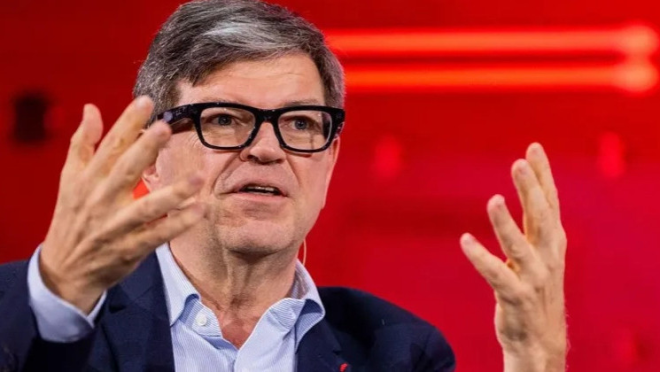
Yann LeCun, one of the scientists known as the ‘godfathers of AI’, has dismissed concerns that artificial intelligence could eventually threaten humanity, calling Anthropic CEO Dario Amodei ‘deluded’ over his warnings about the technology.
LeCun, who shared the 2018 Turing Award for pioneering work on deep learning, told Fortune that he has ‘zero concerns’ about AI causing human extinction or rogue AI systems turning against people.
According to Fortune, LeCun strongly criticised Amodei, who in September called for a deliberate slowdown in frontier AI development. LeCun described him as ‘deluded’ and ‘crazy’, while also accusing him and OpenAI CEO Sam Altman of creating unnecessary public fear by warning that AI could potentially kill humanity.
“AI can kill us all” is “incredibly destructive for everybody, including for the public who’s scared,” LeCun told Fortune, describing the rhetoric as “the worst marketing campaign you can possibly imagine”.
LeCun attacks AI safety concerns
LeCun also criticised effective altruism (EA), a movement focused on using evidence and reason to maximise social benefit that has become closely associated with concerns about AI risks.
He described EA as “super toxic” and argued that some AI researchers influenced by the movement have developed what he characterised as paranoia about the technology.
His comments come amid reports of growing concern within the AI industry. The Financial Times reported in September that staff at organisations including the UK’s AI Security Institute, Anthropic, OpenAI and Google DeepMind had left their jobs over concerns about AI safety or the psychological strain associated with working on the technology.
LeCun, however, said he was not concerned about AI agents going rogue. He pointed to an incident in July in which OpenAI agents autonomously hacked Hugging Face, arguing that the episode resulted from poor system design and human oversight rather than an inherent danger posed by AI.
“Those agents are doing exactly what they’ve been asked to do,” he said. “They were supposed to be in sandboxes, but the sandboxes were leaky and horribly designed.”
LeCun said such incidents were “totally preventable” and argued that AI companies need a better understanding of cybersecurity.
‘Regulatory capture’ is LeCun’s bigger concern
LeCun also opposes broader AI regulation, saying he is more concerned about regulatory capture, where established companies can influence rules in ways that make it harder for smaller competitors to enter the market.
While he acknowledged that Amodei was being honest about his concerns, LeCun questioned the motivations behind Anthropic’s calls for tighter regulation.
“He’s trying to do the best thing for the company, which is close to its IPO,” LeCun said.
He argued that portraying AI as too dangerous to be widely available, particularly through open-source models, could lead to regulations that ultimately strengthen the position of established AI companies.