Computer science graduates turn to AI as coding jobs decline
Computer science graduates turn to AI as coding jobs decline
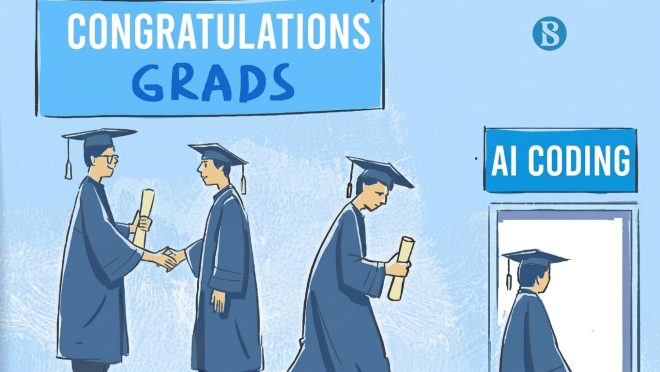
The boom in software development jobs has given way to a tougher market for recent computer science graduates, as companies increasingly use artificial intelligence (AI) to handle coding and seek workers who can apply and oversee the technology.
Jack Zemke, a 23-year-old computer science graduate of Tulane University, sent hundreds of job applications before finding an opportunity through a university group project involving an AI-powered search tool.
While presenting the project at an engineering conference, Zemke was approached by an employee of a civil engineering company looking for someone who could help the firm understand and use AI.
“I’m your man,” Zemke recalled telling him.
Zemke’s experience reflects a wider shift in the technology job market. An Associated Press analysis found that about 7.1% of recent computer science and computer engineering graduates in the United States are unemployed.
During the technology hiring boom, particularly during the Covid-19 pandemic, computer science graduates were often receiving job offers without having to apply for them. Software development job postings on Indeed peaked in early 2022.
The market has since changed significantly. Companies including Microsoft, Meta and Google are using AI for more coding tasks, while Amazon and other major employers have cut jobs amid increased investment in the technology.
A Federal Reserve analysis of Indeed data found a significant decline in software development job postings.
Among workers in their early 20s in occupations highly exposed to AI, including software development, employment is 19% lower than it would have been if those jobs had grown at the same rate as less AI-exposed occupations, according to the Stanford Digital Economy Lab.
Employers are increasingly looking for workers who can operate AI tools and assess their output rather than simply perform coding tasks, said Tracy Camp, executive director and CEO of the Computing Research Association.
The shift has also raised concerns about the future of entry-level technology jobs.
“If they don’t change how hiring is currently happening, they’re not going to have mid-level career people in a few years,” Camp said.
The number of recent computer science and computer engineering graduates in the US tripled over the past decade to about 362,000 in 2024. However, enrolment in computer and information science programmes at four-year institutions fell 8.4% by spring this year, according to data from the National Student Clearinghouse Research Center.
International students face added hurdles
International students are facing additional challenges as they compete for technology jobs in the US.
Samir Khuller, chair of Northwestern University’s computer science department, said many smaller companies hiring technology workers lack large human resources departments experienced in handling H-1B work visas.
International graduates generally require H-1B sponsorship to remain in the US for employment. The programme has also come under pressure from the Trump administration, which is seeking to increase the visa fee to more than $100,000.
Collins Kibet, a computer science graduate from Kenya, has submitted hundreds of job applications but received only a handful of interviews, many of them conducted with AI systems.
The Southern New Hampshire University graduate said recruiters’ attitudes often changed after learning he would require H-1B sponsorship.
“Everybody just keeps quiet,” Kibet said.
After failing to secure a job, Kibet eventually started his own software company.
Universities rethink computer science training
The changing job market is also prompting universities to rethink how they prepare students for careers in technology.
Nicholas Mattei, an associate professor of computer science at Tulane University, said companies are increasingly telling universities that graduates need to be prepared for responsibilities beyond entry-level software development.
At Georgia Tech, professors have studied the needs of telecommunications company AT&T and trained students for a month before they began internships.
The university plans to expand the model through a programme called “Bootcamp to Industry”, said Fisayo Omojokun, associate dean for undergraduate education at the College of Computing.
The college is also expanding the range of industries represented at its job fairs.
“Earlier this year, we got a call from a forestry company of all things,” Omojokun said. “They’re like, ‘Hey, we are in forestry, and we know that AI can help in what we do in different ways.’”