The places we live beside but never see
Somewhere right now, a stranger a few time zones away is scrolling through photos of a mangrove forest, a sea beach, or a hill town in this country, saving them for a trip they haven’t booked yet. Most of us reading this have never gone ourselves.
The places we live beside but never see
Somewhere right now, a stranger a few time zones away is scrolling through photos of a mangrove forest, a sea beach, or a hill town in this country, saving them for a trip they haven’t booked yet. Most of us reading this have never gone ourselves.
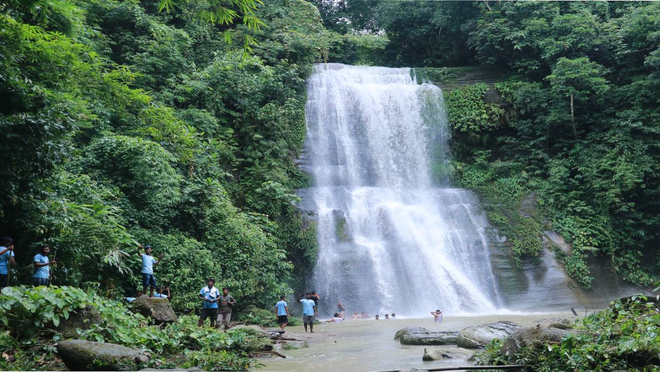
That contradiction sits right at the heart of World Tourism Day we celebrated last September. The date marks the anniversary of the day the organisation now called UN Tourism adopted its founding charter, back when tourism was still being taken seriously as something worth organising around at all. This year’s theme leans into how digital tools and artificial intelligence are starting to reshape the way people plan, book and experience travel.
Most of us hear “tourism” and think of holidays, or an industry that belongs to other countries, the ones with the postcards and the airport ads. Rarely do we think of it as something happening to us, or something we’re sitting on top of without realising.
That’s worth pausing on if you’re writing from Bangladesh, because this is a country that spends a strange amount of energy dreaming about elsewhere while barely looking at itself. We’ll save for years to see snow somewhere far away, and never once take the bus to the hill tracts a few hours from home. We’ll admire a mangrove forest in a documentary about some other coastline and forget we’re a short trip away from one of the largest of its kind on the planet, one with tigers still moving through it. We’ll call a sea beach world-famous in conversation with foreigners and never actually walk on the sand ourselves.
Tourism, seen this way, isn’t really about travel brochures. It’s about attention. It’s the difference between living somewhere and actually seeing it. A tea garden in Sylhet is just scenery if you grew up next to it and a genuine wonder if you flew in from somewhere flat and grey. The gap between those two reactions isn’t really about the place. It’s about how much attention we’re willing to give something once it stops being new to us.
There’s an economic argument for taking all this more seriously too, and it isn’t a small one. Every river route, every archaeological site half-swallowed by jungle, every quiet fishing village on a coastline, is a livelihood waiting to be built around it if it’s looked after instead of ignored. Countries with a fraction of this kind of natural and cultural range have turned it into an industry that supports entire regions. We tend to treat ours as background noise.
None of this means turning every quiet place into a resort strip, and that instinct, the fear of overexposure, isn’t wrong either. Plenty of destinations elsewhere have been loved into ruin, crowded and commercialised until the thing people came for stopped existing. There’s a real balance between inviting the world in and protecting what makes a place worth visiting to begin with, and that balance is exactly what a lot of the global conversation around sustainable tourism is trying to work out right now.
But before any of that, there’s a smaller, cheaper shift available to anyone reading this. Go somewhere near you the way a visitor would. Ask questions about your own city that you’ve never bothered asking. Take the walking route through the old part of town instead of the shortcut you always take. Talk to the person running a small guesthouse or a river ferry like their work is interesting, because it is.
The stranger scrolling through those photos already knows what’s here. The only thing missing is us, actually showing up for it too.