The French are angry, why aren’t we?
When it comes to European peace-loving nations, where the streets are clean and the skies are perfectly blue, there seems to be an odd country which erupts at quite frequent intervals.
The French are angry, why aren’t we?
When it comes to European peace-loving nations, where the streets are clean and the skies are perfectly blue, there seems to be an odd country which erupts at quite frequent intervals.
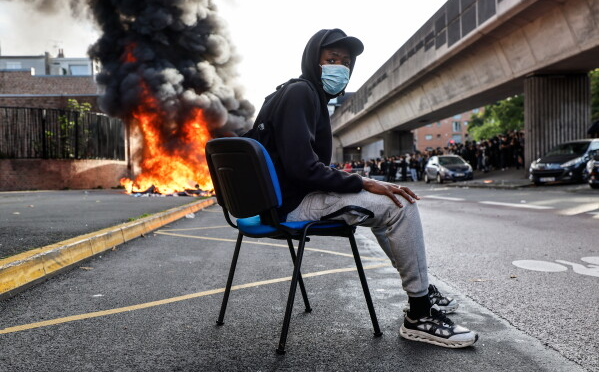
Whether it be strikes against reducing the pension scheme or the recent student protests, French citizens are proving yet again that they’re not ones to be messed with.
Not having particular interest in what happens in the white man’s land, I avoided the news of the student protests over the past couple of weeks, but then the sheer number of participants, and the constant reels of French teenagers fighting with the police, was something that forced my hand.
So, why are the French so angry?
I started to read, and I must say, the protests, when compared to the conditions of our own education system, are quite unjustifiable.
The first reason for the anger seems to be a clear picture of inequality. Shocking, I know.
According to the protesters, the secondary school system, known as Lycée, is divided. To the point where social elites enjoy the fruits of top-notch French public education and the “peasants” have to deal with teacher shortages, large classrooms (the number being close to 36 or more, what a disgrace!), and crumbling infrastructure, where some schools reportedly take classes while poor plumbing results in buckets of water dropping from the ceiling.
That isn’t all, some of the schools don’t even have air conditioning; the poor French boys and girls had to attend school at the scorching temperatures of 35 degrees Celsius last summer.
Reading all this, I, as a Bangla medium graduate, was at a loss for words. I couldn’t understand what’s the big issue here. Are the French so pampered that basic inconveniences turn out to be a reason to stop regular life and pick up riot gear? Could they feel that much entitled?
The answers may lie in their history, and yes, they do justifiably feel entitled that the government must serve what they have existed and been empowered to do in the first place.
France is quite different from the European aristocratic societies. And this difference in perspective is maybe why the French get angry quite regularly. It may be the only European colonising entity that decolonised not just its outbound posts, but its social consciousness as well.
The revolutions they partook in not just changed the power structure, but they struck the core of its beliefs. The first deposing of King Louis XVI didn’t just mean decapitating a political figure, it meant demolishing the divine justification of his kingship, and destroying the church’s role in justifying its holy reason for existing in the first place.
The revolutions, and all subsequent unrests, the French went through seem to have taught them one thing, which is not to accept excuses. They pay their fair share in one of the most heavily taxed countries; the French government even spends 28% higher on education than the OECD average. Therefore, the school system has no excuse for enacting unequal treatment.
Thus, the French deem it justified to call out this injustice.
I cannot explain how much I admire this quality of the French. All governments tell lies, and justify filling their own pockets; it is an indicator of the citizens’ consciousness when it comes to calling out such practices. And the French have proven time and time again that they are not willing to lend their beliefs to excuses.
The greater question then arises. Why aren’t we angry? We too have our fair share of history of deposing dictators and replacing them with promises of the divine book, promises of equal treatment, social justice and progress. But we have failed and are still failing, aren’t we?
Why is that? Why can’t we be like the French? Why can’t we stand up or even recognise our rights as citizens?
The problems the students are facing in France are nothing compared to the extremely unequal education system we have in our country; nothing can compare to the expensive system of coaching centres and private tuitions and the even more corrupted quality of education in our high schools. Again, what’s holding us back?
I think the answer lies in our elites. We may have garnered protests against dictators and in our short history have almost always come out on top, but we have never been able to decolonise our minds, the minds which often fail to see the world beyond one’s own eyes, the mind which much prefers to lick the nectar of power rather than challenge it.
We, especially when it comes to people who talk and write for a living, fail to address the true issues, maybe because we benefit from not talking about it, or maybe because we share a disgusting optimism, which makes us write hopeful articles of change and progress while putting the uncomfortable truth of inner corruption and moral failure under the unconscious rag.