Where have all the bookstalls gone?
Where have all the bookstalls gone?
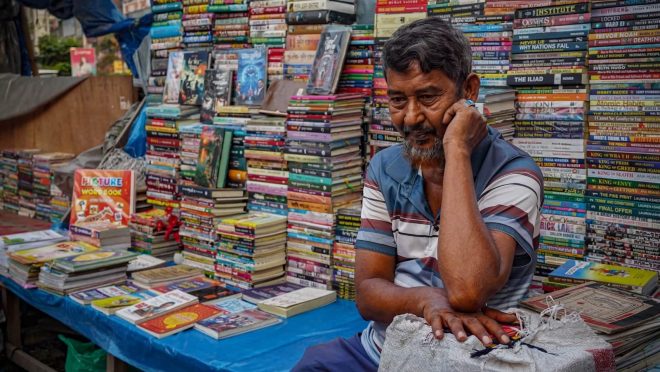
From my college days in 2021 until now, I have had a small ritual. After the end of every examination, at the close of every semester, on my way home, I would stop at the roadside book stalls near Mirpur-10, beside the Fire Service and Civil Defence Training Centre, and buy at least two books – sometimes old, sometimes new. It was a small reward after the exhaustion of exams.
After the recent eviction drive, many people are mourning the loss of Hope Market because they can no longer shop at affordable prices. I respect their feelings. But I keep wondering why so few people are talking about the book stalls, a modest cultural space that quietly served the students, readers, and bookworms of Mirpur for years.
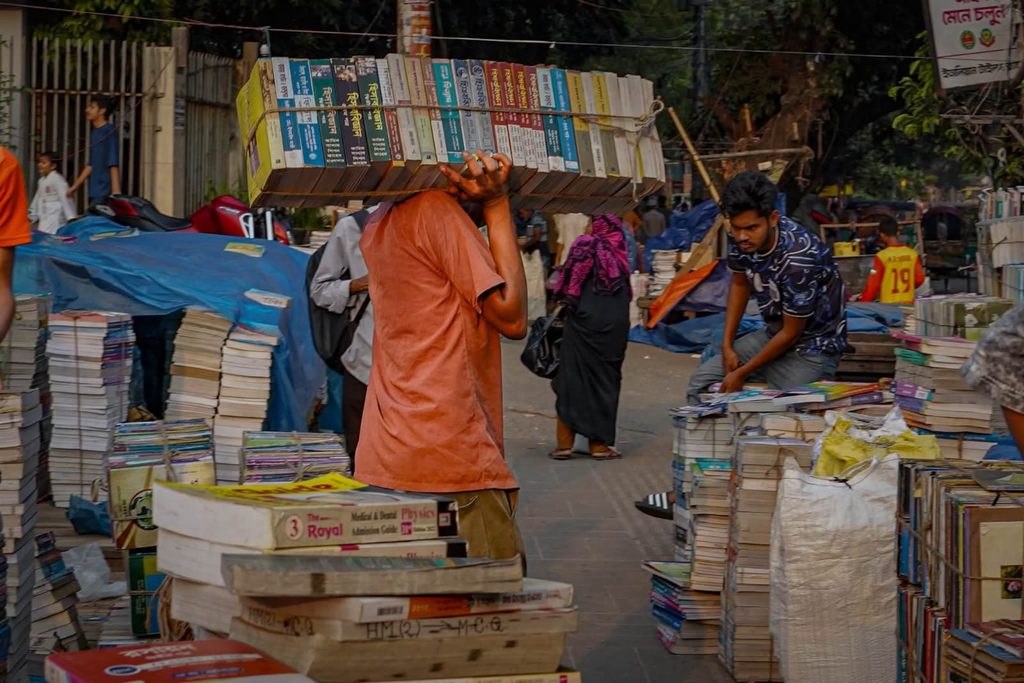
Photo: Collected
Being in Mirpur for more than 15 years, I have seen and experienced many serious problems in this part of the city: snatching, mugging, waterlogging, traffic congestion, poor waste management, and the daily struggle of moving through crowded streets. These are problems that genuinely affect people’s safety, comfort, and dignity. Compared with them, the presence of a few small book stalls on a limited portion of the pavement never felt like the city’s greatest crisis.
That is why the eviction feels incomplete to me. The Dhaka North City Corporation cleared hawkers and makeshift structures from Mirpur-10’s footpaths to restore pedestrian movement and reduce congestion. On paper, the purpose is understandable. Footpaths belong to pedestrians. For years, unregulated stalls and temporary structures have narrowed walkways, forcing people onto busy roads. No one can seriously argue that Dhaka should allow its pavements to disappear under uncontrolled occupation.
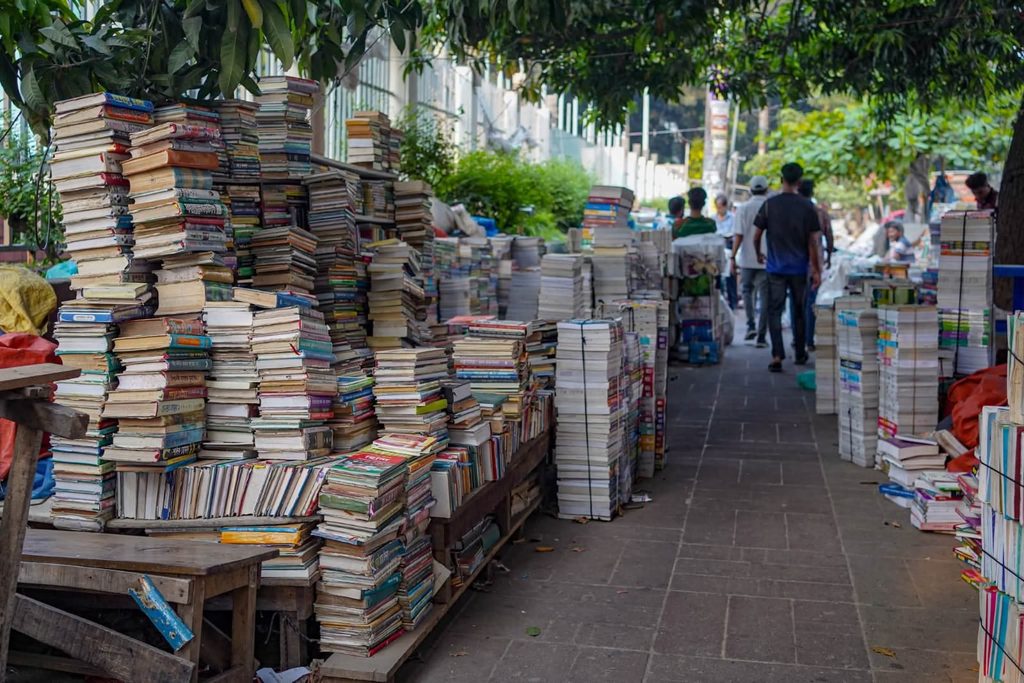
Photo: Collected
But clearing a footpath is not the same as making a city better. A city is not only a network of roads, drains, markets, and traffic signals. It is also made of small, informal spaces where people form habits, memories, and attachments. The Mirpur-10 book stalls were one such space. They made books visible and affordable. A student walking home after an exam could stop, browse through used novels and textbooks, and buy something without entering an expensive bookshop. For people like me, those stalls were not merely commercial spaces; they were part of the rhythm of student life.
Also, this tradition is not unique to Dhaka. Paris has its bouquinistes along the Seine. Kolkata has College Street. London has the Southbank Centre Book Market. Delhi has Daryaganj. These places are valued because they remind us that books do not need to be locked inside polished, expensive shops to matter. Mirpur-10’s stalls may not have had international fame, not even the fame of Nilkhet’s Book Market, but they performed a similar function on a smaller scale. They brought literature, knowledge, and curiosity closer to ordinary people.
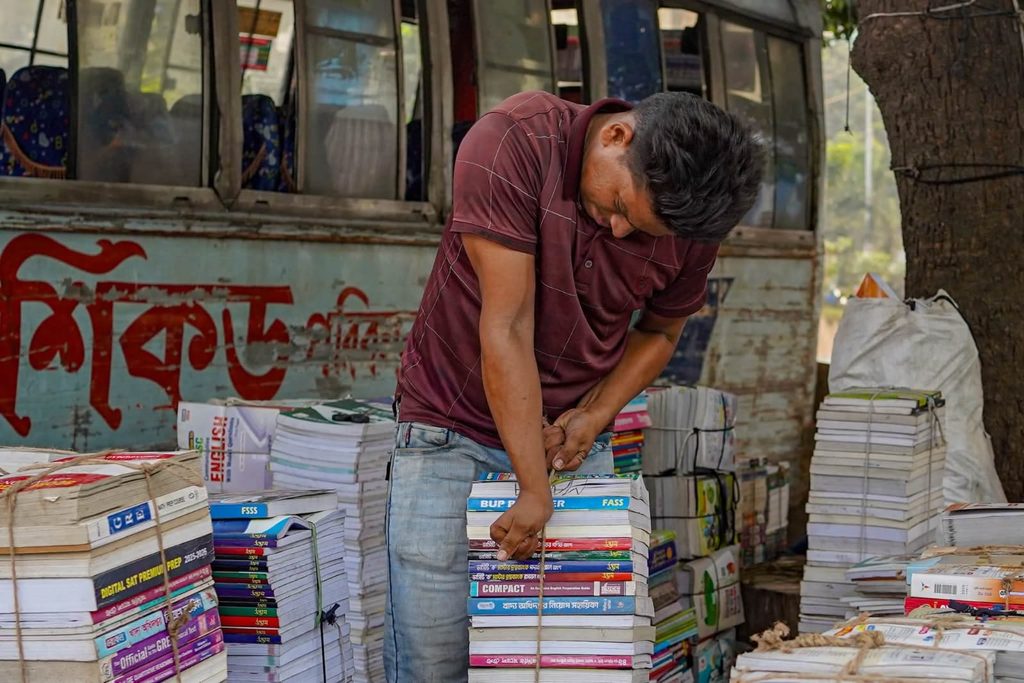
Photo: Collected
What troubles me most is that the authorities appear to have treated all roadside vendors as the same problem. A clothing hawker, a food seller, a mobile-accessories trader, and a book seller may all occupy footpaths, but they do not all carry the same cultural meaning. This does not mean book sellers should be allowed to block pedestrian movement indefinitely. It means the city should have thought more carefully before removing them.
I am not against order. I am not against clean footpaths. I am not even against eviction when it is necessary for public safety. But I am against the idea that a city becomes modern only by removing whatever is informal, old, or inconvenient. Removing a few book stalls cannot clean the city, reduce traffic, or make life materially more comfortable for its citizens. What it can do is take away a small source of joy, memory, nostalgia, and access to knowledge. If DNCC has arranged alternative locations and registration cards for vendors, as it has stated, then it must ensure that former booksellers are not simply scattered and forgotten. They need affordable, visible, and secure spaces where readers can find them again.
Till then, the question remains: where have the book stalls gone? Until Dhaka answers that question with a practical rehabilitation plan, Mirpur-10 may have gained wider pavements, but it has lost a small, irreplaceable corner of its reading culture.