AI model can now read MRI scans in seconds
Researchers at the University of Michigan say the model could ease the growing strain on radiologists and speed up critical diagnoses
AI model can now read MRI scans in seconds
Researchers at the University of Michigan say the model could ease the growing strain on radiologists and speed up critical diagnoses
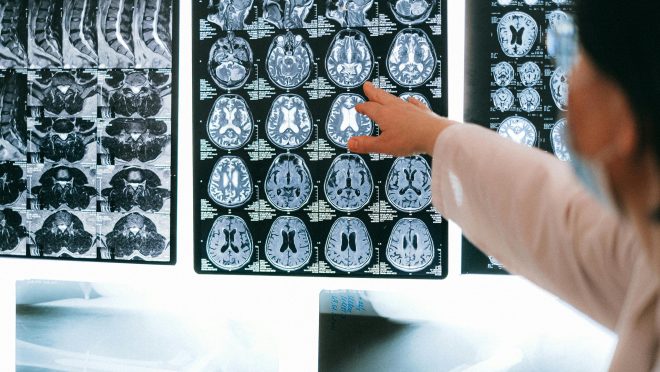
When a patient undergoes a brain MRI, the scan takes hours — sometimes days — to get read. But a new AI model built at the University of Michigan is designed to change that. It reads a brain MRI and produces a diagnosis in seconds.
The system is called Prima. It scanned more than 30,000 brain MRIs over the course of a year and detected neurological conditions with up to 97.5% accuracy. It also flagged how urgently each patient needed treatment. The findings were published in Nature Biomedical Engineering.
Todd Hollon, a neurosurgeon at University of Michigan Health who led the project, described Prima as a kind of co-pilot for medical imaging. It does not replace radiologists, rather it supports them by delivering fast, reliable readings when time matters most.
What sets Prima apart from earlier AI tools is scale. Previous models were trained on narrow slices of MRI data to perform specific tasks, such as spotting lesions or estimating dementia risk. Hollon’s team took a different path.
They fed Prima every brain MRI taken at Michigan Health since records went digital. That amounted to over 200,000 studies and 5.6 million sequences. They also included patients’ clinical histories and the reasons physicians ordered each scan.
The result is a system that works much like a radiologist does. It weighs imaging alongside medical context to reach a diagnosis.
For emergencies such as brain haemorrhages or strokes, Prima can alert the right specialist automatically. A stroke neurologist or neurosurgeon receives the notification just moments after the scan finishes.