The woman behind the icon
We all saw Princess Diana’s face in our feeds and, for many of us, she was the epitome of what a royal should be.
The woman behind the icon
We all saw Princess Diana’s face in our feeds and, for many of us, she was the epitome of what a royal should be.
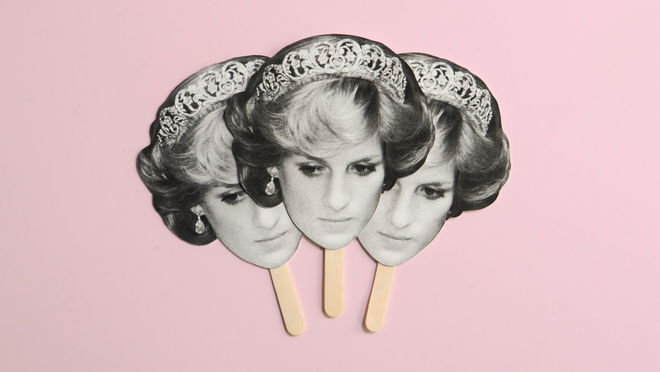
At some point in life, many girls actually wanted to be like Diana, a simple, cool girl with short blonde hair, full of what appeared to be kindness. A lot of girls imitated her, most often without actually knowing the woman behind the image.
31 August marks the 29th anniversary of Princess Diana’s death. In honour of this day, I wanted to go beyond her images in the tabloids, beyond the timeless beauty.
Before marrying Prince Charles, Diana was just a kindergarten teacher. At just 20, she got married and became the Princess of Wales. The world assumed it already knew who the new princess was. But it didn’t take long for the world to realise that Princess Diana was not just another princess to fit into the royal family like a puzzle piece. She was different.
She was called the people’s princess. She was always surrounded by the media, not because of her royalty but because of the identity she built, which is why she remains one of the most photographed public figures of the late 20th century.
The fame isn’t really what made her exceptional; rather, it is the long list of rules that Diana broke.
British royal protocol has always been strict: a proper dress code, limited interaction with commoners. But Diana kept breaking it every time. Sometimes it was her dress and appearance; other times, it was the way she interacted with people.
She never called herself a political figure, a more human touch seemed more deliberate.
She hugged people the royal family usually just nodded at. She sat on hospital beds instead of standing beside them.
Then it got bigger. In 1987, people still believed AIDS could spread through touch. She shook the hand of a patient dying of it, without gloves. “HIV does not make people dangerous to know,” she said. “You can shake their hands and give them a hug. Heaven knows they need it.” With this one simple action, she made one message very clear: AIDS is not contagious.
It wasn’t the only time. She kept doing this for the rest of her life. She sat with patients in leprosy clinics and drug rehabilitation centres. She often visited homeless shelters and children’s hospitals as well.
In 1997, months before she died, she walked through a live minefield in Angola, wearing protective gear to meet survivors who had lost limbs to landmines still buried in their own villages. She didn’t just draw attention to the issue; she stood in it. The treaty banning those landmines was signed by 122 countries within months of her death.
In 1995, she did something no public figure had ever dared to do. In her BBC interview, she talked about her marriage and her mental health, explaining how she had been indirectly called fat by Prince Charles, which led to bulimia, an eating disorder. She even talked about how she dealt with postpartum depression at a time when mental health was not something people discussed, let alone royals.
In the same interview, she boldly said, “There were always three people in this marriage, it was a bit crowded,” aimed directly at the affair of Prince Charles and Camilla Parker Bowles. Following that, she also said that she did not see herself becoming queen.
Reading all this quickly doesn’t sound like much. But most of us don’t even have the nerve to say these types of things in private. We don’t even have the heart to write such sensitive things in our own journals, but she had enough courage to speak about this in front of the entire world.
This again showed that Diana was just another human being with her own tales, her own suffering. Being loved by the entire world never guaranteed immunity from the downs of life. She was adored by millions worldwide, yet she could not be loved by her husband.
She and Charles got divorced in 1996. She lost the title “Her Royal Highness”. Even so, the world remembers her as the people’s princess instead.
Every year around her death anniversary, we see her iconic photos in gorgeous, bold dresses, but we don’t see the woman behind all those images. We don’t see that the same cameras that carried her compassion to the world were also the ones chasing her the night she died.
Behind the photos, there was just a 20-year-old girl who was fierce and courageous, who used the world’s obsession with her to do some good. She was just a girl who had her own tales, her own sufferings and pain, but she didn’t let any of those stop her from making history.
Tyler Comrie