The cost of a cup
The cost of a cup
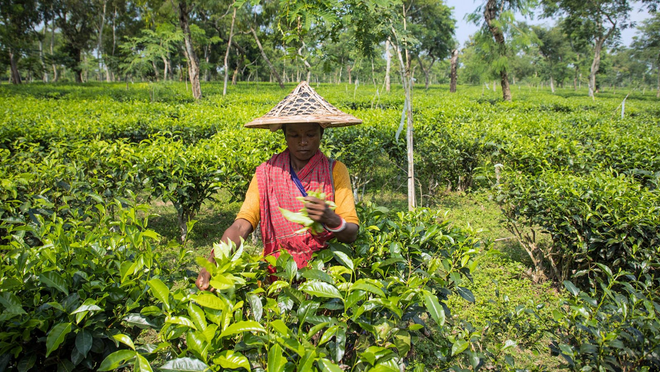
For millions of urban Bangladeshis, tea is an uncomplicated solace. A comforting cup of tea is in meetings, coffee breaks, and everyday life. But behind the homey taste of that tea are thousands of labourers in Sreemangal and Sylhet’s emerald hills who still endure one of the nation’s most stubborn vestiges of economic injustice.
The folks who are out there every day plucking the leaves that power our mornings remain in a desperate fight for life’s most fundamental requirements. The tea workers’ protests for Tk500 per day are not an overnight call for opulence. They’re a plea for survival and dignity.
And with the estate authorities fixing the daily wage at Tk196, with a mere five per cent increase every year, this is a reality that remains oblivious to the cost of living, which continues to rise. In an economy where food prices never stop rising, thinking that an adult wage worker can subsist on less than Tk200 after eight to ten hours of back-breaking labour is not just unjust; it is symptomatic of a more fundamental problem in valuing essential work.
The truth becomes more obvious when we consider the fundamental needs of the workers themselves. Tea plucking is backbreaking labour, performed over treacherous ground in brutal weather. Similar to every other labourer, tea workers require sufficient sustenance. But with the cost of rice, lentils, cooking oil and more climbing uncontrollably, countless families are left scrambling to make impossible decisions between food, healthcare and schooling.
For large swaths of workers, debt is now part of daily life. Borrowing from local lenders is frequently the only means to stretch household budgets, and families become mired in a cycle that is ever more difficult to break with each passing generation.
This crisis also ties back to the distinctive history of tea estates in Bangladesh. Most tea labourers were imported to these areas over 150 years ago while the British ruled. For generations, they have stayed in remote estate villages where opportunities for land ownership, economic advancement and wider social exposure have been very scarce.
Even in our time, thousands of labourers survive without legal title on the soil which they and their forefathers have occupied for centuries. This insecurity, in turn, keeps them tied to estate systems and unable to pull themselves up out of their situation.
Another crucial issue is the feebleness of workers’ representation. The Bangladesh Cha Sramik Union, a tea workers’ union, has not held internal elections since 2018. Without a robust and frequently refreshed leadership, workers’ bargaining power to secure decent wages and conditions is drastically diminished.
Tea garden owners say a wage hike to Tk500 is hard because of their production costs, climatic challenges and market forces. We can’t just brush these issues aside. The tea business does have real economic issues. But an industry cannot survive by keeping the very people who make it possible in poverty.
If Bangladesh desires a viable future for its tea industry, it can no longer rely on wages that don’t align with the current economic conditions.
The answer is to take it seriously but in a balanced way. We need an open Minimum Wage Board that sets wages according to real living costs and inflation. Labour requires more robust expression via democratic union mechanisms. Their age-old grievances on land entitlements and social security need to be taken care of as well.
Each cup of tea has a tale that starts way before it enters our palms. It starts with the workers who get up at dawn, trudge through the plantations and spend their days harvesting the leaves we so often overlook.
Tk500 a day is not a charity or a favour. It’s a matter of dignity. It questions if Bangladesh’s economic development will incorporate the communities whose work has been sustaining one of its most traditional sectors for decades.
Sakibul Hasib Sakib is an apprentice lawyer at the District and Sessions Court, Dhaka. He holds an LLB and an LLM from North South University’s Department of Law
Disclaimer: The views and opinions expressed in this article are those of the author and do not necessarily reflect the views and opinions of TBS Graduates and The Business Standard.