World Rhino Day: Saving an animal that should not need saving
World Rhino Day: Saving an animal that should not need saving
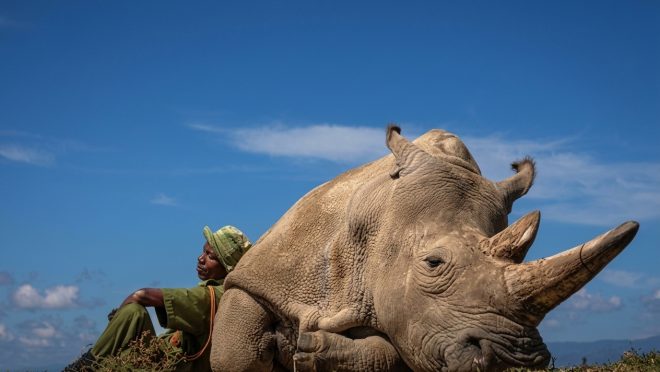
There is something almost strange about rhinos. They look like they wandered out of another era; enormous, armoured and slightly terrifying, with a horn sitting on their nose that makes them look very intimidating.
And yet, after surviving for millions of years, these ancient animals are now struggling against something much more modern: human activity.
World Rhino Day, observed on 22 September, is a reminder that all five remaining rhino species still need protection.
The Sumatran and Javan rhinos, both native to Indonesia, and Africa’s black rhino are critically endangered. The greater one-horned rhino, found mainly in India and Nepal, is classified as vulnerable, while the white rhino is near threatened.
A recent assessment by wildlife trade watchdog TRAFFIC and the International Union for Conservation of Nature (IUCN), cited by Mongabay, found that white, Javan and Sumatran rhino populations continue to decline. Poaching, habitat loss, climate change and fragmented habitats remain major threats.
Then there is the strange story of the rhino horn.
Made of keratin — the same material found in human fingernails and hair — rhino horn has no proven medicinal value. Yet beliefs surrounding its supposed benefits have helped create a lucrative illegal market.
The result is devastating. Rhinos are sometimes killed simply for their horns.
Conservationists have even turned to an unusual solution: removing the horns themselves. Dehorning can be stressful because the animals must be tranquilised, but research cited by Mongabay found that reserves in South Africa’s Greater Kruger ecosystem that adopted the practice saw a 78% reduction in poaching.
It is not a perfect solution. Ideally, rhinos should not have to lose their horns to survive. But when the alternative is being killed for them, conservationists have few easy choices.
There are also reasons to be hopeful.
In June, 70 southern white rhinos were moved from South Africa to Rwanda’s Akagera National Park as part of an effort to rewild them. Black rhino and greater one-horned rhino populations have also shown modest growth, according to the recent assessment.
These successes matter because conservation is not always about dramatic rescues. Sometimes it is simply about making sure a species has enough safe habitat, enough animals to reproduce and enough time to recover.
Rhinos have survived for millions of years. They have endured predators, environmental changes and the shifting landscapes of the planet.
It would be a rather tragic ending if, after all that, they could not survive us.
World Rhino Day is therefore more than a celebration of a strange and magnificent animal. It is a reminder that the future of these prehistoric giants is still being decided — and that we are very much part of that decision.